The Delhi Pollution Control Committee (DPCC) has asked seven government agencies, including Delhi Police, the Municipal Corporation of Delhi (MCD) and the transport department, to submit daily reports on enforcement of winter pollution-control measures by 5pm.
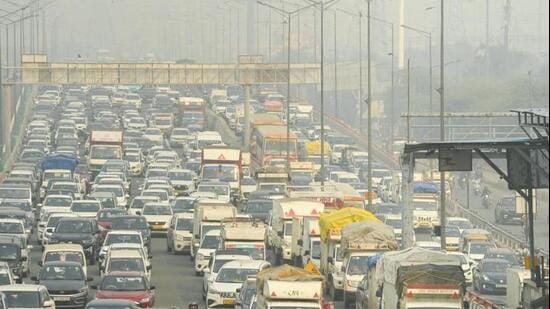
The move is aimed at closely monitoring compliance on the ground and keeping the Commission for Air Quality Management (CAQM) updated on action taken.
In a letter dated October 31, seen by HT, the DPCC has asked the agencies to “ramp up deployment of ground level officers to effectively enforce the implementation of the aforesaid directions in letter and spirit”.
The committee has also made it clear that the reports will have to be submitted every day, rather than periodically.
Also Read:Govt begins Yamuna defoaming work, clears ₹91L for froth study
“Since, DPCC has to compile the data on action taken by various agencies on a day-to-day basis for onward submission to CAQM, it is requested to submit a consolidated Action Taken Report on daily basis by 5pm”, the letter states.
The letter, issued by additional director, has been addressed to the commissioners of MCD, Delhi Police and the transport department, the chairperson of the New Delhi Municipal Council (NDMC), vice-chairperson of the Delhi Development Authority (DDA), divisional commissioner of the Delhi government and the chief executive officer of the Delhi Cantonment Board.
{{/usCountry}}The letter, issued by additional director, has been addressed to the commissioners of MCD, Delhi Police and the transport department, the chairperson of the New Delhi Municipal Council (NDMC), vice-chairperson of the Delhi Development Authority (DDA), divisional commissioner of the Delhi government and the chief executive officer of the Delhi Cantonment Board.
{{/usCountry}}According to the letter, the daily reporting mechanism will cover enforcement of restrictions on vehicles registered outside Delhi that do not meet BS-VI emission standards, checks against vehicles without valid pollution-under-control certificates (PUCC), and action against dust-generating construction and demolition activity.
Under the PUCC enforcement measure, all petrol, diesel and CNG/LPG retail outlets in Delhi are required to dispense fuel only to vehicles with valid pollution certificates, the document states. The DPCC letter states that vehicles found taking fuel without a valid certificate, whether detected through automatic number plate recognition (ANPR) cameras or otherwise, “should be duly penalized”. The Transport Department and Delhi Traffic Police have been tasked with enforcement.
The second major measure is the restriction on vehicles registered outside Delhi that do not meet BS-VI emission standards. The restriction will remain in force from November 1 to January 31. CNG and electric vehicles, along with emergency and sovereign-duty vehicles such as ambulances, fire tenders and police vehicles, are exempt.
Also Read: Highest one-day spike takes Punjab farm fire tally past 1,000
The agencies will have to report the number of vehicles detected at Delhi’s borders, those turned back, challaned and impounded, as well as the fines imposed. The reporting format also requires the figures to be categorised by vehicle type, including private cars, light goods vehicles, medium and heavy goods vehicles, buses and other vehicles, the document states.
The letter also flags restrictions on dust-generating construction and demolition activity from November 1 to January 31, except for essential public infrastructure projects. It says finishing, plumbing and electrical work may continue within construction sites, subject to compliance with construction and demolition waste management rules and dust-prevention norms. Storage or dumping of construction and demolition material outside sites is prohibited.
The DPCC letter further states that a complete ban on construction and demolition activity will apply from December 10 to January 20, except for urgent government projects of importance affecting public convenience and work required in emergency conditions.
Also Read: GRAP-2 comes into effect in Delhi-NCR as AQI slips into ‘very poor’ category
The agencies responsible for enforcing these restrictions include the DPCC, MCD, NDMC, Delhi Cantonment Board and the revenue department. They will have to report the number of sites inspected, violations found, closure directions issued, show-cause notices served and environmental compensation imposed.
The letter refers to the possibility of stricter measures being imposed under the Graded Response Action Plan (GRAP), stating that if the CAQM invokes more stringent measures, “such measures shall prevail and be complied with in priority over the provisions contained herein”.
The directions are part of the winter pollution-control measures that will remain in force from November 1 to February 28, 2027.