
 E-Paper



Govt refused. So Odisha man built 3 km road through hills. He took 30 years
Once he was finished with the 3 km stretch, Harihar Behera started working on helping another village but this time, the Odisha government stepped in to build the road soon after.

 Prefer HTon Google


Bhubaneswar: Thirty years ago, residents of Tulubi, a remote village in Odisha’s Nayagarh district, petitioned the administration for a three km stretch of road through the hills ad forest that would link their village to the main road. They just needed a walkable road so that people didn’t lose their way.
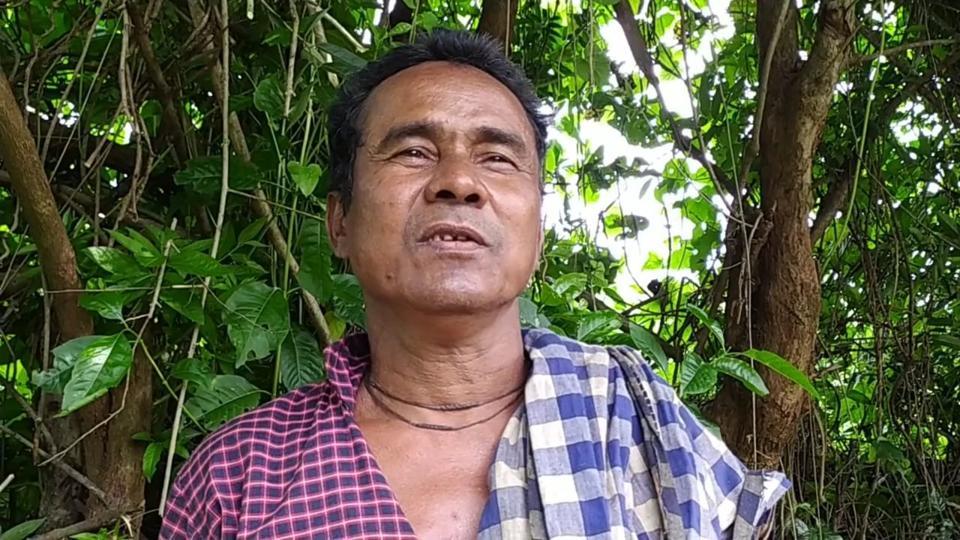
But the request was rejected by the administration. The minister reportedly told them it was impossible.
That is when Harihar Behera and his brother Krushna figured that if they needed the road, they would have to build it themselves. And they got down to work. With nothing more than a hammer, hoe and a crowbar.
Harihar was then in his mid-twenties.
Harihar Behera spent the next 30 years with his brother chipping the hills with a hammer to build the road, day after day, after finishing work on his fields.
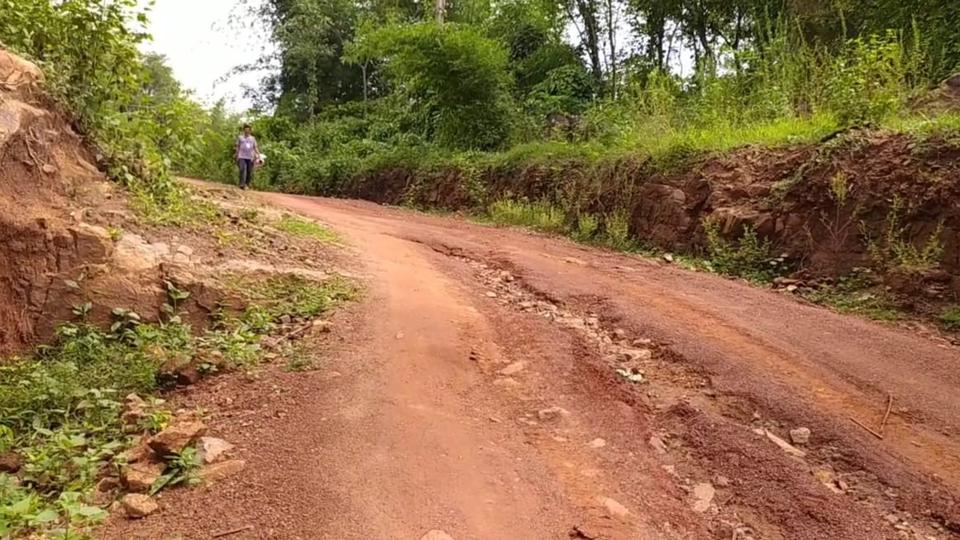
The brothers first cleared part of the forest and tried to blast the large rocks with small explosives and carry the small rocks with the help of carts. But the blasting had a detrimental effect on the environment, so they stopped the blasting and again fell back on hammering large rocks.
After Krushna Behera died due to a kidney ailment, Harihar carried on with his work all alone.
“We could finally get a road a few years ago thanks to Harihar and his brother,” said Dinabandhu Jani, a local.
Harihar said he saw no choice before him.
“There was no way we could go to nearby town. Relatives, while visiting our village, used to forget the route and get lost in the forest. Around 30 years ago, we asked the district administration for roads in the village but as no one listened, I and my brother started making the road.... I and my elder brother worked on the road after finishing the agricultural work. Later, other villagers also helped,” said Harihar.
Once he was finished with this stretch, Harihar Behera figured others needed his help. There were dozens of inaccessible villages in his district.
Harihar selected Nepal, another inaccessible village inhabited by tribals. But this time, the administration stepped in after he had laid around 300 metres using rocks and build an all-weather road using concrete.
His village too is going to get an all-weather road.
Nayagarh sub-collector Lagnajit Rout said Harihar has done wonderful work to make his village accessible.
“Only a man possessed can keep on doing such things for 30 years. There are several such villages in the district that are not easy to travel to due to the hills. The construction of road from Rohiba village on Bhanjanagar road to Tulubi village will be completed soon,” said Rout.
To be sure, Behera isn’t the first to demonstrate the power of ‘one’. There have been others as well.
Like ‘Mountain Man’ Dasrath Majhi who took 22 years to single-handedly carved out a 110-metre passage through the Gehlaur hill in 1982 that reduced the distance between Atri and Wazirganj blocks of Gaya district from 75 km to just 1 km. Or Daitari Nayak of Keonjhar district who carved a 3-km-long canal through a mountain and Jalandhar Nayak, also in Odisha, who constructed a 15-km road to connect his village Gumsahi to the main road in Kandhamal district.



