The government has relaxed a key condition on duty-free imports of 1 million tonnes of raw sugar, giving refiners up to two months from the date of filing the bill of entry to process the shipment and sell it in the domestic market.
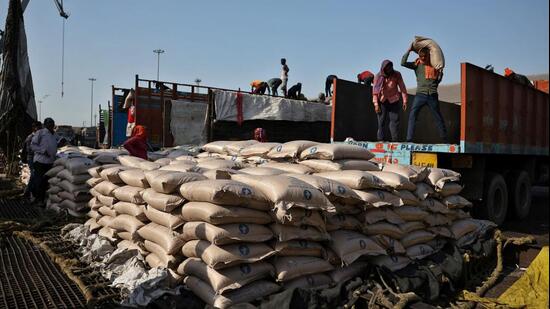
Experts said the move, notified by the Directorate General of Foreign Trade (DGFT) late on Monday, will boost supplies during the early months of the new sugar season and ease pressure on retail prices.
“The earlier deadline was difficult to meet, particularly for shipments that arrive towards the end of October. The relaxation will ensure that the imported sugar does not get held up because of the refining process and can reach the domestic market in the coming months,” a senior official at the All India Sugar Trade Association (AISTA) said.
Deep Dive
How long do refiners have to process the newly imported raw sugar under the relaxed conditions?
Why did the government relax the sugar import conditions at this time?
What impact is expected from the relaxation of sugar import conditions on retail prices?
Under the original order, importers had to refine and sell the sugar by October 31. While the import arrival deadline remains October 31, refiners now get a rolling two-month window from filing their bill of entry. In simple terms, sugar arriving in late October can now be processed and sold through November and December. This is important because the new sugar season begins in October, and the imported sugar can add to availability during the early part of the 2026-27 season.
“The imports will add to supplies at a time when the new season is just beginning. Along with the early start to crushing, this should help improve availability and prevent the tightness seen this season from carrying forward,” the head of an international commodity trading agency said on condition of anonymity. The industry sees closing stocks for 2025-26 sugar season at about 3.2- 3.5 million tonnes- the lowest in about two decades.
{{/usCountry}}“The imports will add to supplies at a time when the new season is just beginning. Along with the early start to crushing, this should help improve availability and prevent the tightness seen this season from carrying forward,” the head of an international commodity trading agency said on condition of anonymity. The industry sees closing stocks for 2025-26 sugar season at about 3.2- 3.5 million tonnes- the lowest in about two decades.
{{/usCountry}}The Centre allowed the duty-free import of raw sugar on August 20, its first such move in nearly a decade, after a sharp rise in retail prices that reached ₹70/kg in key metro cities.
The government said the imports were intended to “further augment domestic availability” ahead of the festive season.
The imported sugar will not enter the market immediately because the government has permitted import of raw sugar, which has to be refined into white sugar before it can be sold to consumers.
Monday’s notification removes a major logistical bottleneck for late-October arrivals. Without it, an importer bringing in a shipment towards the end of October would have had very little time to refine the raw sugar and sell it before the October 31 cut-off.
The government’s latest estimate puts 2025-26 sugar production at about 30.6 million tonnes, down from an initial estimate of about 34.3 million tonnes, with crop damage from Red Rot, Top Borer disease and waterlogging contributing to the decline.
The government has also asked sugar mills and states to start crushing for the new season from October 15. It expects this early start to raise October production to more than 1 million tonnes, compared with the usual 300,000-400,000 tonnes.
The import relaxation comes even as the sugar industry as well as the government have maintained that India “has comfortable supplies” and does not face an outright shortage.