E-Paper



Gujarat plans stricter marriage registration rules, parental notices
Deputy chief minister Harsh Sanghvi told the Gujarat assembly that the government has no objection to genuine love marriages but will act against deception

 Prefer HTon Google


The Gujarat government is preparing to amend rules under the Gujarat Registration of Marriages Act, 2006, to overhaul the system, check its misuse in cases of love marriages and elopements, and involve parents in the process.
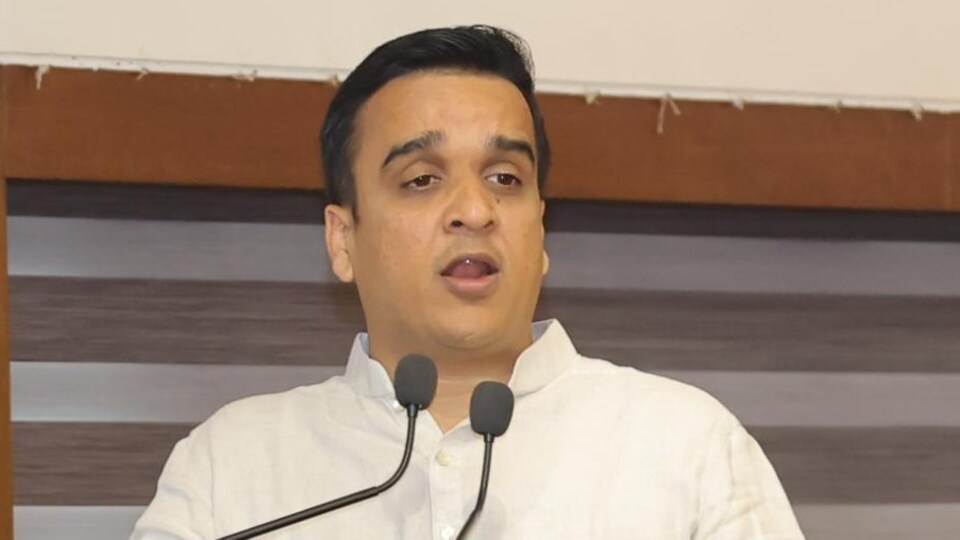
Deputy chief minister Harsh Sanghvi told the Gujarat assembly on Friday that the changes seek to protect women, prevent fraud, and restore transparency. He said the government has no objection to genuine love marriages but will act against deception and exploitation. “There is no objection to love. But if some Salim posing as a Suresh traps a girl, we will not spare them.”
He said the changes are intended to act as a safety mechanism for women by preventing identity concealment, coercion, and practices that undermine Sanatan traditions and Indian wedding customs. He raised concerns over what he described as “love jihad”.
“Love jihad” is a term right-wing groups use to describe an alleged Muslim conspiracy to woo Hindu women, although courts and the Union government do not officially recognise it.
Sanghvi promised strict action in cases where women are harassed after marriage over dowry or property issues. He said the government will seek objections and suggestions from the public for 30 days for the amendments. A committee will be constituted to examine the feedback within constitutional limits and implement suitable changes.
Sanghvi said parental involvement will be made central to marriage registration. He added that parents will be informed at the time of registration, and a separate online portal will be created for this purpose.
Under the existing system, couples can register their marriage quickly by submitting basic documents and witnesses, without informing their parents.
Sanghvi said the system has loopholes that are being misused. “Anti-social elements hide their real identity and lure or deceive women into relationships. Shocking details of several bogus marriages in Panchmahal district have emerged. In villages such as Kankodakoi and Nathkuwa, there is not a single Muslim family, but hundreds of nikah [marriage] certificates were issued. These cases were investigated, and strict action was taken.”
Under the proposed rules, when a couple applies for marriage registration, especially in cases of love marriages or elopements, the bride’s parents will be notified within 10 days. The notification will require submission of the parents’ Aadhaar details and verified address. Marriage certificates will be issued only after 40 days from the date of application, allowing time for verification, consultation, or objections, Sanghvi said.
The government plans to tighten document verification. Couples will be required to submit Aadhaar cards, birth certificates, school leaving certificates, photographs, and wedding invitation cards if available. Witnesses from both sides will also have to provide photographs and Aadhaar details. Marriage registrations are proposed to be shifted from lower-level revenue offices. A dedicated online portal for love marriage registrations is being developed to improve monitoring.
The proposals follow consultations over three months under law and justice minister Kaushik Vekeriya. Around 30 meetings were conducted with community representatives as part of the consultations.
Patidar leader Dinesh Bambhaniya welcomed the decision and said it addresses long-pending demands raised through rallies, meetings, and memorandums.