
 E-Paper



Two Gurugram youths hacked Swiggy accounts, placed orders worth ₹1 lakh. What happened next?
Aniket Kalra, 25, and Himanshu Kumar, 23, allegedly placed orders for grocery items through the hacked accounts and later sold the items at lower prices

 Prefer HTon Google


Delhi Police arrested two men, Aniket Kalra, 25, and Himanshu Kumar, 23, both residents of Gurugram, for allegedly hacking multiple Swiggy delivery accounts, reported Indian Express.
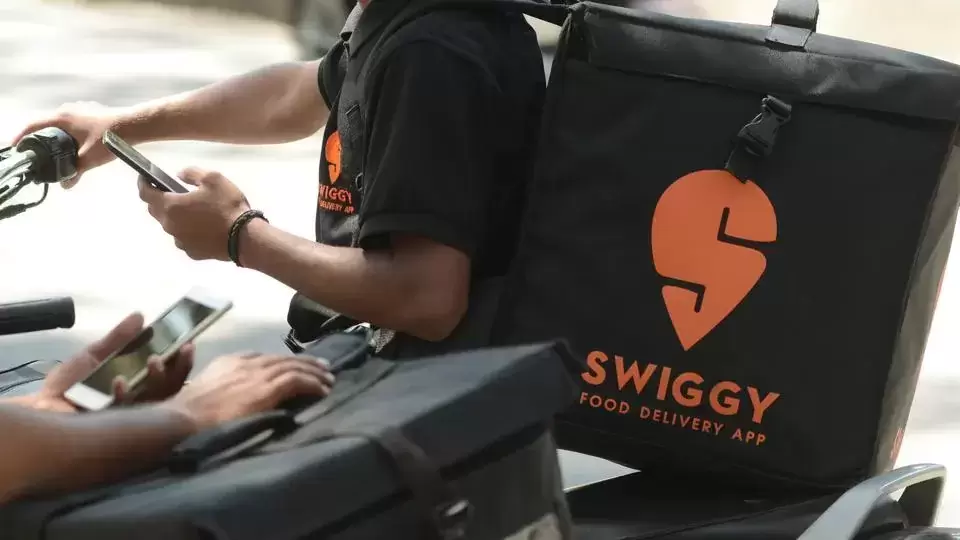
Kalra, who had previously worked as a delivery boy for both Swiggy and Zomato, and Kumar were accused of using an 'Interactive Voice Response System' to gain unauthorised access to Swiggy accounts. The duo allegedly placed orders for grocery items through the hacked accounts and later sold the items at lower prices, the report added.
ALSO READ- Swiggy reveals Mumbai customer ordered food worth ₹42.3 lakh
What was the modus operandi?
DCP (South) Ankit Kumar said on Monday that the accused individuals employed an 'Interactive Voice Response System' to hack into Swiggy accounts, manipulating the system to place orders for grocery items, the report said.
Subsequently, they sold the fraudulently obtained items at a discounted rate, it added.
ALSO READ- Woman claims Swiggy delivery agent refused to bring her order, Internet has mixed reactions
How were the hackers caught?
The arrests were made based on a complaint filed by a woman in Sultanpur, who reported a loss of ₹97,197 after the accused siphoned funds from her Lazy Pay account linked to Swiggy, the report said.
Upon further investigation, the police conducted a technical analysis of call detail records and financial transactions. The analysis revealed that the woman received a late-night call from an Automated Telephony Interactive Voice Response (IVR) system, informing her that someone was attempting to hack her account. Subsequently, fraudulent orders amounting to ₹97,197 were placed through her Swiggy account, it added.
ALSO READ- Minister slams report claiming Centre urged Apple to soften impact of iPhone hacking alerts
The investigation traced the delivery of the products to Gurgaon, where the items were being delivered under fake ownership details. The police then arrested Aniket and Himanshu in Gurgaon.
According to the police, Aniket Kalra used online discounts to purchase groceries at lower prices and resold them in the market, thereby saving between five to ten per cent on each order, the report said.


