
 E-Paper



'Have more kids': Andhra CM Naidu's plea to address ageing population in South
Andhra Pradesh CM Naidu pointed to a declining fertility rate in southern states, which has dropped to 1.6—well below the national average of 2.1.

 Prefer HTon Google


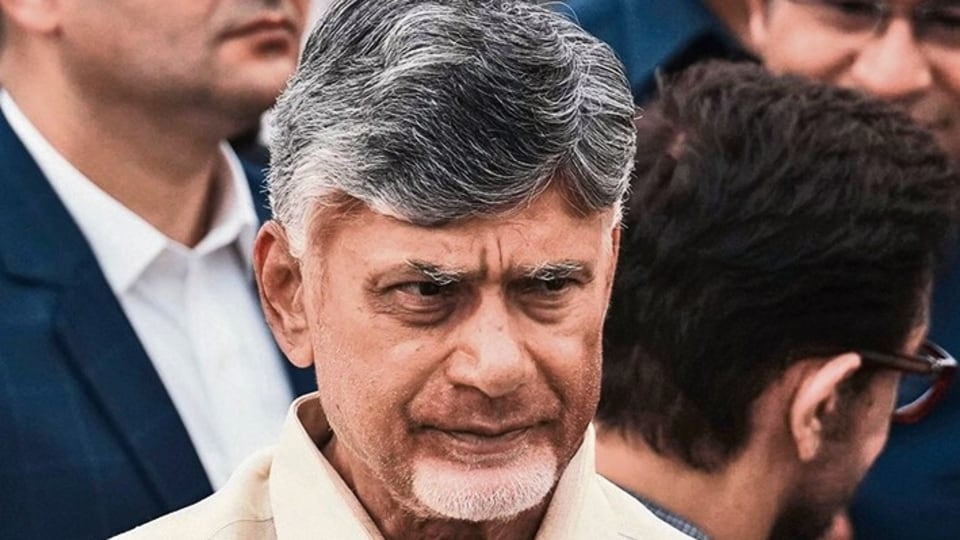
Andhra Pradesh chief minister N Chandrababu Naidu on Saturday urged families in southern states to have more children, citing the risk of an ageing population. Naidu said the state government is considering new legislation aimed at incentivising larger families as part of its "population management" efforts, reported The Times of India.
"The state government is thinking of bringing a law that would make only those with more than two children eligible to contest local body elections," Naidu said.
Also Read | Naidu warns party leaders against indulging in graft
Acknowledging that the state had previously implemented a law barring individuals with more than two children from contesting local elections, the Telugu Desam Party (TDP) chief noted that the legislation has been repealed.
"We are now considering reversing it...the government may provide more benefits to families with more children," he said.
Highlighting demographic challenges, Naidu pointed to a declining fertility rate in southern states, which has dropped to 1.6—well below the national average of 2.1. “Though we have a demographic advantage until 2047, signs of an ageing population are already visible in southern India, including Andhra Pradesh,” Naidu warned.
Also Read | Andhra cabinet approves 6 six new industrial, investment policies
He added that countries like Japan, China, and parts of Europe are already grappling with the burden of a large elderly population, a situation that could also affect India if birth rates continue to decline.
"In many villages across Andhra and other parts of the country, only elderly people remain. The younger population has moved to cities," he said.
Naidu's similar request in 2018
This is not the first time Naidu has called for a shift in family planning policies. During his previous tenure as CM, he had offered incentives to couples willing to have more than two children, warning against the state becoming “senile” with more elderly citizens and fewer working hands by the mid-21st century.
Andhra Pradesh, which ranked as the 10th most populous state in the 2011 census with 84.6 million residents, has been facing demographic changes since Telangana was carved out as a separate state in 2014.


