
 E-Paper



Hindu Kush Himalaya could loss 75% of its glaciers by 2100, warns new study
Glacier loss, also known as glacier melt or glacial retreat, refers to the reduction of ice mass in glaciers and ice sheets.

 Prefer HTon Google


The Hindu Kush Himalaya could lose up to 75 per cent of its glaciers by the year 2100 if global temperatures rise by 2 degrees Celsius above pre-industrial levels, revealed a study published by the Science journal.
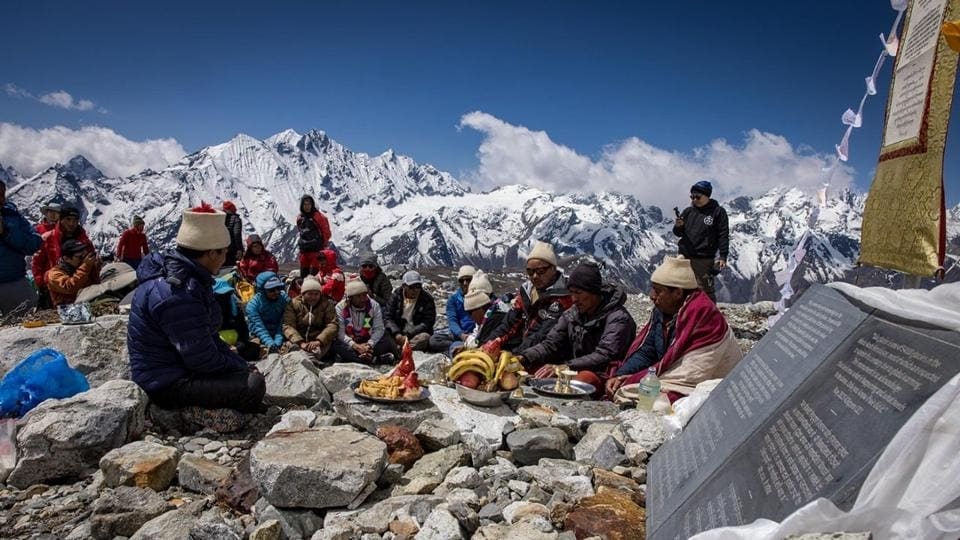
Glacier loss, also known as glacier melt or glacial retreat, refers to the reduction of ice mass in glaciers and ice sheets. This loss primarily results from increased temperatures causing melting, sublimation (water evaporating directly from ice), and icebergs breaking apart.
The study named ‘Social impacts of glacier loss’ notes that the critical water source which nourishes more than 2 billion people in the Indian subcontinent could lose its glacier cover.
Such a loss of glacier cover could cause far reaching consequences for the water security across Asia.
Also Read: Swiss glacier collapses, destroys nearly all of Alpine village. Watch wild video
2.7 deg C of warming by end of century
If countries succeed in limiting warming to 1.5 degrees Celsius, as outlined in the Paris Agreement, the study estimates that 40-45 per cent of glacier ice in the Himalayas and the Caucasus could be preserved.
Globally, this would mean retaining 54 per cent of current glacier mass, compared to just 24 per cent if the world continues on its current trajectory toward 2.7 degrees Celsius of warming by the end of the century.
Also Read: Research finds glaciers far more vulnerable to global warming than earlier estimates
Other regions with high glacier mass such as the European Alps, the North American Rockies and Iceland, are at risk as well, increasing water insecurity across the globe.
At 2 degrees celsius of warming, these areas could lose nearly all their ice, with only 10-15 per cent of their 2020 glacier levels remaining. At such a level, the entirety of Scandinavia could loss their glaciers.
Also Read: Glaciologists, local communities mourn loss of Nepal’s Yala glacier
Consequences of glacier loss
The study shows that glacier mass will decline rapidly for decades, even if temperatures stabilize, with long-term impacts persisting for centuries.
“Our study makes it painfully clear that every fraction of a degree matters. The choices made today, scientists warn, will determine the future of the world’s glaciers—and the billions who depend on them," said co-lead author Dr Harry Zekollari.
The study also states that the loss of glaciers will increase stress on food chains and microbiomes vital to human life on Earth.
The research paper notes, “Melting raises sea levels, and affects water resources downstream including their ecosystemic biodiversity. In addition, melting glaciers can compound other natural hazards such as increasing the formation of icebergs and accelerating permafrost erosion. They can also harm economic systems such as the tourism industry and damage cultural heritage. As impacts to the cryosphere accelerate, so, too, do social repercussions.”


