The Aircraft Accident Investigation Bureau (AAIB) on Friday released its preliminary report on the Air India Phuket-Delhi flight that dropped nearly 300 feet on August 4. While the report details the sequence of events, experts have flagged key questions that remain unanswered.
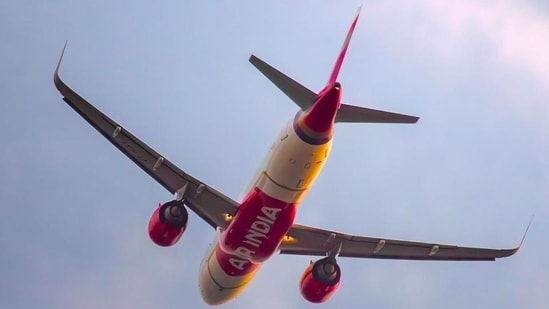
The Airbus A320neo had experienced a major “altitude upset” while flying at 36,000 feet, leaving at least 24 people injured.
3 key questions unanswered
According to the report, the aircraft lost all three hydraulic systems within seconds, triggering a stall warning and a subsequent drop in altitude. The systems recovered seconds later, allowing the flight to resume normal operations. However, former pilots say the AAIB report leaves the central technical question open.
Deep Dive
What were the factors leading to the simultaneous failure of all three hydraulic systems on the Air India flight?
Why did the crew choose to continue flying to Delhi instead of diverting to a nearer airport during the emergency?
What triggered the violent altitude changes experienced by the Air India flight after the hydraulic failure?
Q1. What caused all three systems to fail within four seconds
Capt Sharath Panicker, a former Dreamliner pilot, said the investigative agency needs to determine why the hydraulics went off within four seconds of each other. "Once all three hydraulic systems fail, effectively the aircraft is without power to the control surfaces," he said.
A second pilot, who asked not to be named, said Airbus does not train crews for a triple hydraulic failure because the scenario was not contemplated. “The questions which remain unanswered are what the real cause of the hydraulic system failure was and how the three systems failed in such fast succession.”
Q2. Why did the crew continue to Delhi rather than divert
{{/usCountry}}A second pilot, who asked not to be named, said Airbus does not train crews for a triple hydraulic failure because the scenario was not contemplated. “The questions which remain unanswered are what the real cause of the hydraulic system failure was and how the three systems failed in such fast succession.”
Q2. Why did the crew continue to Delhi rather than divert
{{/usCountry}}The second pilot also questioned the decision to fly all the way to Delhi instead of landing sooner. “Why would you not go to Kolkata or Bhubaneswar when you have so much medical emergency and people are bleeding and the aircraft is in a damaged state?”
According to the report, the crew examined the situation in the cabin and decided to continue to Delhi rather than divert to the nearest enroute airport.
Q3. What was the trigger for violent loss and regaining of altitude
A third pilot, who also asked not to be named, said: “The report raises more questions than it answers. It does not establish the probable cause or contributory factors behind the aircraft’s violent loss and gain of altitude or the serious damage sustained."
“Most importantly, the CVR data has not been incorporated, while the report does not explain the pilot’s side-stick inputs or what caused the aircraft to move so violently despite the reported failure of all three hydraulics,” he said.
As the probe continues, investigators have collected hydraulic components and fluid samples from the aircraft for analysis. Fuel and oil samples, maintenance and operational records, and data from Delhi and Kolkata air traffic control are also being examined.
What AAIB report reveals: A timeline of events
The AAIB report revealed the sequence of events, which led to the sudden drop in altitude. Here's a second-by-second breakdown of the incident:
7.11am IST: There were no abnormalities when the plane, carrying 137 passengers, took off from Phuket.
9.32:43am IST: The aircraft’s flight-control system detects a loss of the green hydraulic system.
9.32:47am IST: The blue and yellow systems also fail four seconds later.
9.32:48am IST: The autopilot disengages and a continuous repetitive chime can be heard.
9.32:51am IST: The stall warning was triggered for two seconds. The aircraft encounters altitude upset, gains 372 ft and then falls by 292 ft from its assigned FL360 during the event.
9.32:52am IST: The Blue hydraulic system recovers.
The Yellow hydraulic and the Green hydraulic systems also recover a few seconds later, leading to the recovery of the Flight control (F/CTL) surfaces.
As the hydraulic systems recovered, aircraft operation returned to its normal operating condition, the report said.
The incident, which unfolded in quick succession in a matter of seconds, has led to questions over what first led to the failure and the subsequent recovery of the hydraulic systems. As probe continues, these technical questions remain to be answered.