E-Paper



In first step after PM Modi's appeal, government raises gold, silver duty to 15%
Experts anticipate more action by the government on this front, including tightening of the Liberalised Remittance Scheme to limit foreign exchange outflow.

 Prefer HTon Google


The government on Wednesday raised customs duty on precious metals, including gold and silver, to 15% from 6% to curb their imports and save foreign exchange for essentials such as energy and fertilisers amid a protracted war in West Asia that has disrupted global energy and fertiliser supply chains and resulted in a spike in oil prices.
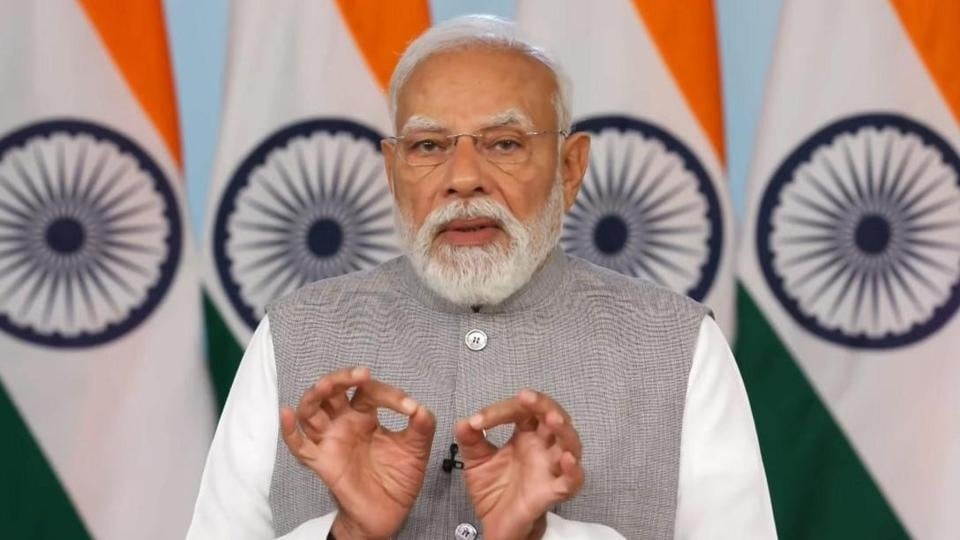
The sharp increase in customs duties on the precious metals –– a move aimed at balancing India’s current account deficit –– came days after Prime Minister Narendra Modi’s appeal for prudence and austerity. He asked people to save foreign exchange for essentials, avoid foreign travel, and buy local products.
Experts anticipate more action by the government on this front, including tightening of the Liberalised Remittance Scheme to limit foreign exchange outflow. Imports of precious metals, particularly gold and silver, were a major component of India’s foreign exchange spending. Gold imports in 2025-26 jumped by 24.08% over the previous year to $71.98 billion, while imports of silver surged 149.48% to $12.05 billion.
To be sure, India has foreign exchange reserves of over $690 billion, enough to cover imports for 10 months. But the government is adopting a cautious approach given the uncertainty in West Asia. India imported about 88.7% of the crude oil it processed in 2025-26, paying for this in dollars ($121.8 billion).
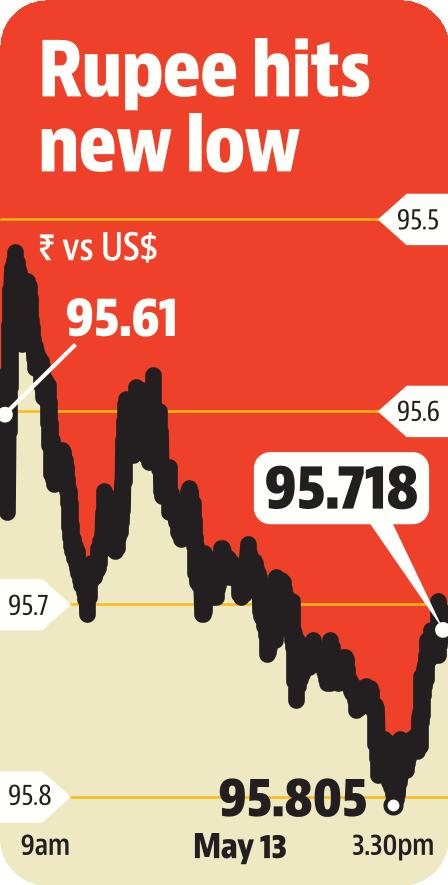
According to a senior oil ministry official who asked not to be named, the oil import bill may surge in the current financial year if the war continues for long.
Since February, when the US and Israel attacked Iran, benchmark Brent crude prices have surged 48% from $72.87 a barrel to $107.77 (Tuesday’s closing price).
A government official, said on condition of anonymity, that the import duty increase announced early Wednesday is aimed at “safeguarding macroeconomic stability, conserving foreign exchange, and moderating non-essential imports during a period of heightened global uncertainty” arising from the ongoing West Asia crisis.
According to a notification from the finance ministry, the import duty on gold and silver has been increased from 6% to 15%, and the import duty on platinum has been increased from 6.4% to 15.4%. Consequential changes have also been made to other items, such as gold and silver ore and coins.
“The current geopolitical situation has created significant volatility in global crude oil markets and international shipping routes. As a large importer of crude oil, India remains vulnerable to elevated energy prices and supply-side disruptions, which can increase the import bill, exert pressure on inflation, and the current account deficit (CAD). In such circumstances, prudent management of the country’s external sector becomes essential,” the government official added.
Historically, governments have used customs duty adjustments as a policy instrument to support macro-economic stability and effectively manage CAD-related pressure during periods of global volatility.
India’s foreign exchange resources must be prioritised towards essential imports such as crude oil, fertilisers, industrial raw materials, defence requirements, critical technologies, and capital goods, the official said.
These imports directly support economic activity, food security, infrastructure, manufacturing, exports, and national security, the government official explained.
“In periods of heightened geopolitical and commodity-market volatility, policymakers often seek to prioritise external resources towards areas with higher strategic and economic multiplier effects. Therefore, during periods of external stress, measured moderation of discretionary imports may contribute significantly to overall macro-economic stability and prudent external-sector management.”
The increase in customs duty on precious metals is intended to moderate avoidable import demand and ease pressure on the external account. The measure is neither prohibitory nor anti-consumer in nature. It is a carefully calibrated and proportionate intervention designed to encourage moderation in non-essential imports at a time when external vulnerabilities remain elevated, the official said.
Experts, however, said high import duties would incentivise the smuggling of precious metals, particularly gold.
“The measure is also aligned with the broader national economic discipline emphasised by the Prime Minister in the context of the evolving global situation. Citizens have been urged to reduce avoidable foreign expenditure, promote domestic alternatives, conserve fuel, and support national economic resilience through responsible consumption choices. In this broader context, moderation in discretionary precious metal imports may be viewed as part of a wider collective effort to strengthen economic stability during a period of uncertainty,” the government official said.
Customs duty on precious metals has historically been calibrated in response to prevailing macroeconomic and external-sector conditions.
During periods when external pressures moderated, foreign exchange reserves strengthened, and macroeconomic stability improved, customs duty rates on precious metals and related products have also been rationalised downward, he said.
A recent example is the Union Budget 2024–25, where customs duties on gold and silver were reduced from 15% to 6%, and on platinum from 15.4% to 6.4%, reflecting a more comfortable macroeconomic and external-sector position at the time.