NEW DELHI: The Indian government is making concerted efforts to seek more time for the family of Nimisha Priya, an Indian on death row in Yemen, to reach a “mutually agreeable solution” with the kin of the Yemeni man she was convicted of killing, the external affairs ministry said on Thursday.
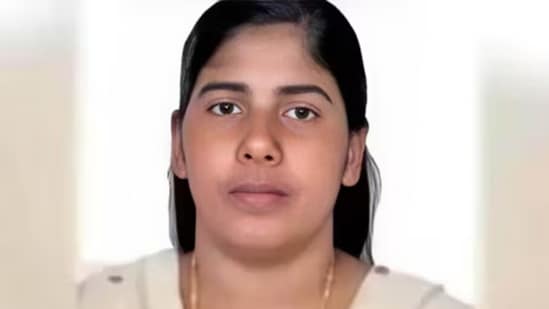
The 38-year-old resident of Kerala is in jail in Sana’a, which is under the control of Houthi rebels. Her execution, scheduled for July 16, was put off following the intervention of Indian officials, non-resident Indians in Yemen and an influential Indian cleric.
External affairs ministry spokesperson Randhir Jaiswal told a weekly media briefing that Priya’s case is a “sensitive matter” and the government has been offering all possible assistance to her and her family.
“We have provided legal assistance and appointed a lawyer to assist the family. We have also arranged regular consular visits and been in constant touch with the local authorities and the family members to resolve the issue,” Jaiswal said.
{{/usCountry}}“We have provided legal assistance and appointed a lawyer to assist the family. We have also arranged regular consular visits and been in constant touch with the local authorities and the family members to resolve the issue,” Jaiswal said.
{{/usCountry}}“This included concerted efforts in recent days to seek more time for the family of Ms Nimisha Priya to reach a mutually agreeable solution with the other party,” he said without giving details.
Efforts to prevent Priya’s execution have hinged on the Islamic tradition of “diyat”, or paying “blood money” to the victim’s family in return for a pardon. However, reports in Yemen’s media have said the Yemeni victim’s family is unwilling to pardon Priya.
Jaiswal said the local authorities in Yemen postponed carrying out Priya’s death sentence, scheduled for July 16. “We continue to closely follow the matter and render all possible assistance. We are also in touch with some friendly governments,” he said, without naming the countries that are working with India to seek a reprieve for Priya.
Jaiswal declined to comment on the role reportedly played by the Grand Mufti of India, Kanthapuram AP Aboobacker Musaliyar, in putting off Priya’s execution. The Sunni cleric from Kerala said he had spoken to prominent Yemeni scholars on behalf of Priya’s family to prevent her execution.
“As far as the role of the entity you mentioned is concerned, I have no information to share,” Jaiswal said in response to a question.
The Union government informed the Supreme Court this week of its inability to intervene immediately to stop the execution. Attorney general R Venkataramani told the court that every possible diplomatic and private channel was exhausted to seek a reprieve for Priya.
Priya was arrested in July 2017 for murdering a Yemeni man, Talal Abdo Mahdi, who was her business partner. She was sentenced to death by a Yemeni court in 2020 and the Supreme Judicial Council dismissed Priya’s appeal in November 2023.
The case ran into complications as the Indian side has no formal contacts with Yemen’s Houthi rebels. Under Shariah law, a person sentenced to death may be pardoned by the victim’s family if blood money, a form of financial compensation, is accepted.
However, Talal’s brother Abdul Fatah Mahdi said on social media that his family wanted “retribution” in line with Islamic law and would not accept the blood money to pardon Priya. He also said the family wouldn’t be swayed by “interventions by anybody”.