E-Paper



India suggests 3-point Afghanistan road map at SCO Group meeting
External affairs minister S Jaishankar presented the Indian view at a meeting of the Shanghai Cooperation Organisation (SCO) Contact Group on Afghanistan in the Tajikistan capital.

 Prefer HTon Google


India on Wednesday presented a three-point road map for an end state in Afghanistan, including cessation of violence and attacks, and a political dialogue for a settlement which ensures that countries in the region aren’t threatened by terrorism and extremism.
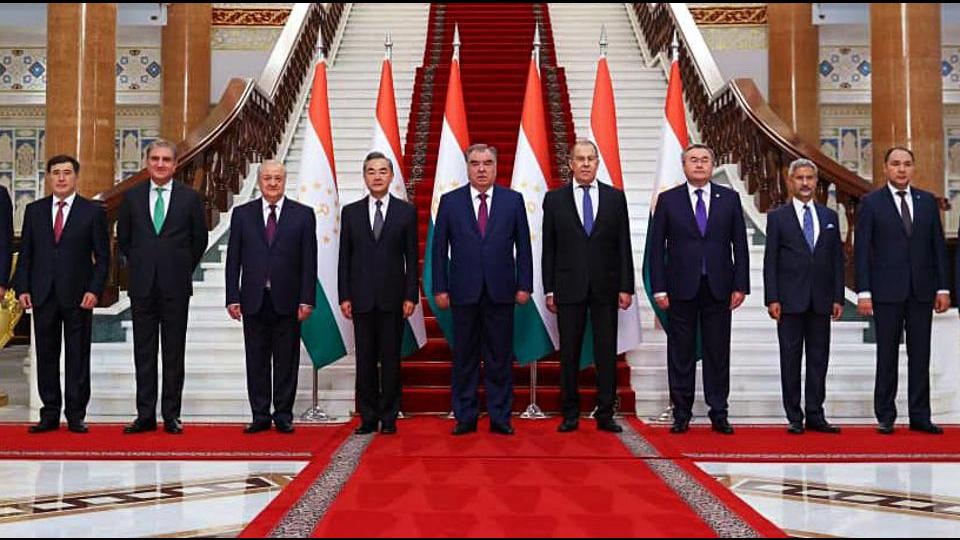
External affairs minister S Jaishankar presented the Indian view at a meeting of the Shanghai Cooperation Organisation (SCO) Contact Group on Afghanistan in the Tajikistan capital. Against the backdrop of a sustained campaign by the Taliban to capture territory and border crossings, he said the world community is against the “seizure of power by violence and force” and wouldn’t “legitimise such actions”.
Earlier, Jaishankar took part in a meeting of SCO foreign ministers in Dushanbe, which was dominated by the deteriorating security situation in Afghanistan, and called on members of the grouping to act against terrorism and terror financing.
“The world, region and the Afghan people all want the same end state: 1. An independent, neutral, unified, peaceful, democratic and prosperous nation,” Jaishankar said in a string of tweets after the SCO Contact Group meeting as he outlined the three-point road map.
“2, ceasing violence and terrorist attacks against civilians and state representatives, settle conflict through political dialogue, and respect interests of all ethnic groups; and 3, ensure that neighbours are not threatened by terrorism, separatism and extremism,” he said.
Jaishankar noted the challenge would be to “act seriously and sincerely on these beliefs” because “there are forces at work with a very different agenda”. He added: “The world is against seizure of power by violence and force. It will not legitimise such actions.”
He also offered suggestions for the future course of negotiations to find a settlement in Afghanistan, saying there would have to be a compromise between approaches involving countries such as Qatar, Russia and Turkey.
“Peace negotiations in earnest is the only answer. An acceptable compromise that reflects Doha process, Moscow format and Istanbul process is essential,” he said.
In line with New Delhi’s consistent demand for preserving the gains made by Kabul in the past two decades, Jaishankar said: “The future of Afghanistan cannot be its past. A whole new generation has different expectations. We should not let them down.”
Jaishankar participated in the two meetings with his counterparts from the SCO states – China, Kazakhstan, the Kyrgyz Republic, Pakistan, Russia, Tajikistan, and Uzbekistan. The meetings were also attended by representatives from countries with observer status with SCO, including Afghan foreign minister Haneef Atmar.