E-Paper



India’s fatality rate lower than global average: Govt
CFR is the ratio of confirmed deaths and confirmed Covid-19 cases. The global CFR as of July 18 was 3.41%.

 Prefer HTon Google


Fewer patients are dying in India from the coronavirus disease (Covid-19) compared to the rest of the world, with the case fatality rate (CFR) falling below 2.5% for the first time in five months, according to data shared by the Union health ministry on Sunday.
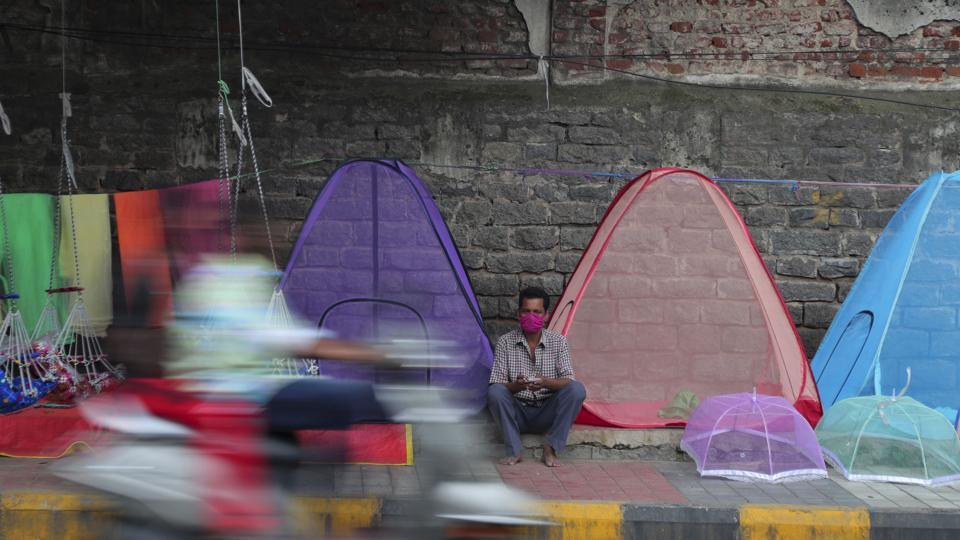
CFR is the ratio of confirmed deaths and confirmed Covid-19 cases. The global CFR as of July 18 was 3.41%.
The highest CFR that the country has seen so far since first death was reported on March 12 was 3.23%, and that was reported around mid-May. Since then, the CFR had largely been hovering around 2.8%, one of the lowest in the world.
“With effective containment strategy, aggressive testing and standardized clinical management protocols based on holistic standard of care approach, the case fatality rate has significantly dipped. The Case Fatality Rate is progressively falling and currently, it is 2.49%. India has one of the lowest fatality rates in the world,” the health ministry said in a statement.
Also read | Coronavirus in India: Highest single-day spike of 40k pushes count past 1.1 million
Certain states are managing the disease quite well and have not reported any deaths due to Covid-19. States such as Manipur, Nagaland, Sikkim, Mizoram and the Union territory of Andaman and Nicobar Islands have a zero case fatality rate.
There are at least 29 states that have a CFR of below the national average currently, and there are about 14 states that have a CFR of less than 1%.
“It’s a good sign that people are getting better and our mortality is low. Most positive cases do not require hospitalization, and those needing intensive care is actually a minuscule number. Most people in hospitals have moderate disease with good chances of recovery. The need is to take care of our old and vulnerable population with co-morbidities that is at high risk of developing severe illness,” says Dr Rommel Tickoo, senior consultant, department of internal medicine, Max Healthcare.
Those with a CFR below the national average include Tripura (0.19%), Assam (0.23%), Kerala (0.34%), Odisha (0.51%), Goa (0.60%), Himachal Pradesh (0.75%), Bihar (0.83%), Telangana (0.93%), Andhra Pradesh (1.31%), Tamil Nadu (1.45%), Chandigarh (1.71%), Rajasthan (1.94%), Karnataka (2.08%) and Uttar Pradesh (2.36%).
“Being able to aggressively test, track and treat cases has been one of the key reasons for effective management of cases as infected people are being picked up early. Early case detection is an absolute must for controlling any disease of epidemic proportions successfully,” said a senior official in the ministry of health who did not wish to be identified.
Also read | ‘Some think Covid-19 will vanish by building Ram Temple’: Pawar ahead of PM’s likely Ayodhya visit
The past 24 hours also saw a sharp increase of 23,672 patients recovering. The gap between recovered patients and active cases has widened to 304,043. The total number of recovered patients is 677,422, with the current recovery rate being 62.86%, government data shows.
Integrating services of both the public and private sector has also led to effective handling of the cases.
“Many states have conducted the population surveys to map and identify the vulnerable population like the elderly, pregnant women and those with co-morbidities. This, with the help of technological solutions like mobile apps, has ensured keeping the high-risk population under continuous observation, thus aiding early identification, timely clinical treatment and reducing fatalities,” the health ministry said.
At the ground level, drafting of frontline health workers like Accredited Social Health Activists (ASHAs) and Auxiliary Nurse Mid-wives (ANMs) has been effective in conducting door-to-door surveillance, and to create awareness within the community, especially in managing the migrant population.