India and Nigeria will host the two fastest growing populations over the next three decades, with India adding 273 million people and Nigeria 200 million by 2050, the rapid pace fuelled by vastly different factors, according to the United Nations World Population Prospects 2019 report.
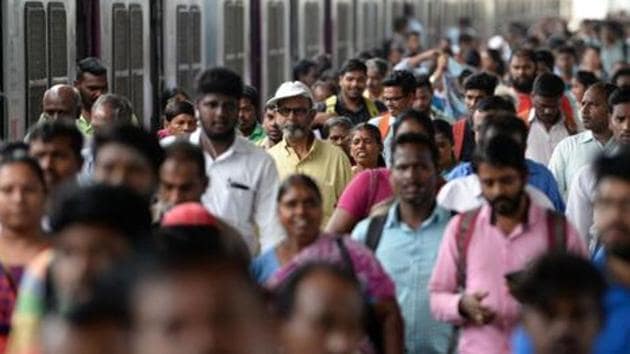
India will overtake China to become the world’s most populous country in 2027, according to the report. The world’s population is projected to increase by 2 billion people, from 7.7 billion now to 9.7 billion in 2050, according to the report.
While India’s population will increase because of a large cohort of young people who will enter their reproductive age over the next three decades, which will add “population momentum” even if births fall to two children or less per woman, Nigeria’s population will be driven by women having many more children.
India’s total fertility rate (TFR, the average number of children a woman has in her lifetime) ) is 2.2, with half of the country’s population in 24 states having reached “replacement TFR” of 2.1 or less, which is number of children per woman at which a population replaces itself and stops growing. In Nigeria, the TFR is 5.4.
“Even if the TFR across all states were to fall immediately to two births or less per woman, India’s population would continue to grow, as it will in countries and regions where fertility has declined recently. In India, Latin America and the Caribbean, virtually all of the projected population growth till 2050 will be driven by the population momentum from a largely young population,” AR Nanda, former secretary, Union ministry of health, and trustee, Indian Association for the Study of Population, said ahead of the World Population Day on Thursday. “The National Population Policy 2000 had projected TFR will reach around 2.1, which will show when the Sample Registration System data comes out in 2020. Contraceptives and spacing methods, including male contraception, have to be made widely available, especially to adolescents and young adults, who get missed,” said Nanda.
{{/usCountry}}“Even if the TFR across all states were to fall immediately to two births or less per woman, India’s population would continue to grow, as it will in countries and regions where fertility has declined recently. In India, Latin America and the Caribbean, virtually all of the projected population growth till 2050 will be driven by the population momentum from a largely young population,” AR Nanda, former secretary, Union ministry of health, and trustee, Indian Association for the Study of Population, said ahead of the World Population Day on Thursday. “The National Population Policy 2000 had projected TFR will reach around 2.1, which will show when the Sample Registration System data comes out in 2020. Contraceptives and spacing methods, including male contraception, have to be made widely available, especially to adolescents and young adults, who get missed,” said Nanda.
{{/usCountry}}Addressing high TFR in Uttar Pradesh and Bihar must remain a priority, say experts. “People must have access to uninterrupted quality services and social development support, such as nutrition, health, sanitation and infrastructure, to ensure they have the tools and the information to have the desired family size,” said Rajib Acharya, senior associate, Population Council of India.
Budgetary allocation for health went up by 15% this year, from ₹56,045 crore in 2018-19 (revised estimates), to ₹64,559 crore in 2019-20. But while the allocation for the National Health Mission went up by 8% over the previous year to ₹32,995 crore, the share of the Reproductive and Child Health flexipool out of the approved NHM funds has halved in four years, from 40% in 2016-17 to 20% in 2019-20, which some demographers find worrying.
“A major chunk of the increased allocation for NHM is driven by health system strengthening, which increased by around 12% over last year...,” said a health ministry official, who did not want to be named.