E-Paper



Indian, Chinese officials to meet today for talks on border issue
National Security Advisor Ajit Doval will hold talks with China’s state councillor and foreign minister Wang Yi at Hyderabad House here for the first time since the second informal summit between PM Narendra Modi and President Xi Jinping at Mamallapuram in October.

 Prefer HTon Google


Special Representatives of India and China will meet in New Delhi on Saturday for talks aimed at resolving a dragging border dispute, though people familiar with developments said there is little possibility of forward movement against a backdrop of fresh irritants.
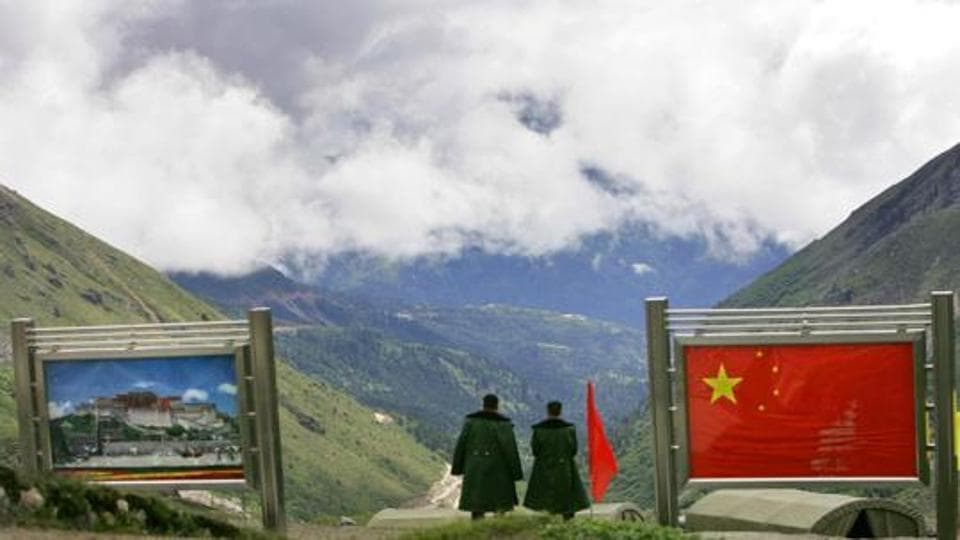
National Security Advisor Ajit Doval will hold talks with China’s state councillor and foreign minister Wang Yi at Hyderabad House here for the first time since the second informal summit between PM Narendra Modi and President Xi Jinping at Mamallapuram in October.
The 22nd meeting of the Special Representatives comes days after France and other permanent members of the UN Security Council stymied a move on December 17 by China, acting on behalf of Pakistan, to discuss the situation in Kashmir.
“The backdrop for the meeting hasn’t been the most ideal. China tried once again to raise the Kashmir issue, which is an internal matter of India, at the UN Security Council,” said one of the people cited above, who declined to be identified.
“Everything will depend on how the discussion progresses on Saturday but some substantial outcome appears unlikely,” the person said, adding the meeting is expected to be more of a stock-taking exercise.
Indian Army chief Gen Bipin Rawat said the “strategic guidance” from Modi and Xi following their first informal summit in Wuhan, China last year had helped in tackling the situation along the Line of Actual Control.
“Post-Wuhan, the strategic guidance from the highest levels and understanding of nuances of working mechanisms at the functional level has enabled the management of challenges along the LAC,” he said.
The people cited above also said little had come of “early harvest” proposals mooted by Wang during a meeting with external affairs minister S Jaishankar in Beijing in August.
India has been irked by China’s repeated efforts to raise the Kashmir issue at international forums since New Delhi nullified the special status of the erstwhile state of Jammu and Kashmir on August 5 and split it into two Union territories. China also objected to the creation of the UT of Ladakh, which it claims, but this was rejected by India.
Wang brought up Kashmir during his meeting in August with Jaishankar, who told him this was an internal matter and the changes in J&K had no implication for the LAC with China.