
 E-Paper



ISRO launches SpaDeX mission to ‘dock’ 2 satellites in space. Why is it significant?
ISRO successfully launched the SpaDeX mission from Andhra Pradesh's Sriharikota at 10 pm on Monday, after rescheduling the launch by two minutes.

 Prefer HTon Google


The Indian Space Research Organisation (ISRO) on Monday successfully launched SpaDeX (Space Docking Experiment) as its final mission of the year.
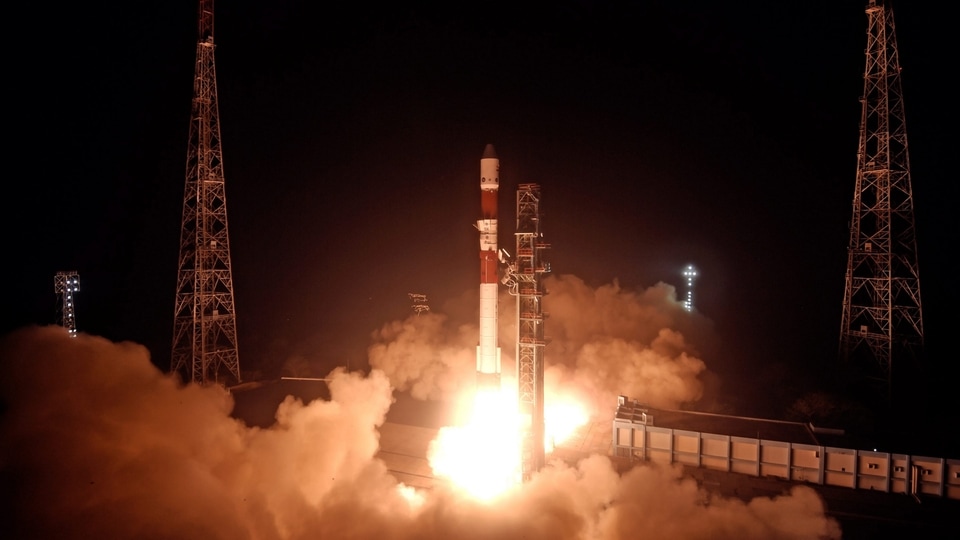
SpaDeX lifted off at 10 pm, after being rescheduled by two minutes, on board the PSLV-C60 rocket from ISRO's Satish Dhawan Space Centre in Andhra Pradesh's Sriharikota.
Why is SpaDeX significant?
The mission will see ISRO attempt to “dock” (unite) two satellites in space, a challenge only mastered by a few countries. For the project, ISRO is using an indigenous technology named the “Bharatiya Docking System.”
Also Read: What is ISRO SpaDeX mission for space docking experiment?
SpaDeX is significant because the docking, if successful, will pave the way for India's future space missions such as Chandrayaan-4, Gaganyaan and India's planned space station (Bharatiya Antriksh Station).
How will SpaDeX dock the satellites?
SpaDeX will deploy two identical satellites, SDX01 and SDX02, designated “Chaser” and “Target” respectively. Each satellite weighs around 220 kilograms and will orbit 470 km above Earth.
The Indian space agency's attempt to dock the two satellites will be a challenging one, as these will be orbiting at speeds of 28,800 km/hr. ISRO will carefully manoeuvre the satellites to reduce their relative velocities to a mere 0.036 km/hr, and merge these to form a single unit in space.
“ISRO’s achievement will place India among the world’s space leaders, marking a step towards greater space exploration and innovation,” Union minister Jitendra Singh had said days before the launch.
Also Read: ISRO to demonstrate docking of satellites in space in January
Besides precision rendezvous and docking manoeuvres, the project's key objectives include validating power transfer between the docker spacecraft, and operating payloads post-undocking, with a two-year lifespan.
Docking technology enables multi-launch missions and supports future human spaceflight. Only the US, Russia, and China have mastered such advancements so far.


