
 E-Paper



Terror group Jaish gets a new name, preps 30 suicide attackers to hit India
According to counterterror agencies in India, Jaish has re-emerged with a new name but the same leadership and terrorist cadre; it was previously known as Khudam-ul-Islam and Al Rehmat Trust.

 Prefer HTon Google


Terrorist group Jaish-e-Mohammed (JeM) has changed its name to Majlis Wurasa-e-Shuhuda Jammu wa Kashmir to ward off international pressure and scrutiny over its jihadi training activities in Pakistan, and Mufti Abdul Rauf Asghar, the younger brother of its bedridden chief Masood Azhar, has taken control of the Pakistan-based terror outfit, according to people familiar with the development.
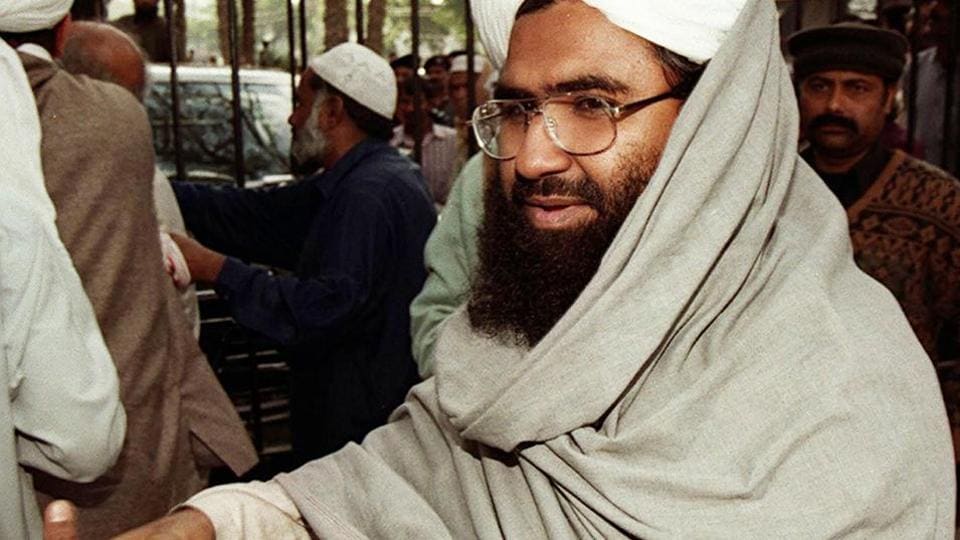
Azhar, a globally designated terrorist, lies terminally ill in Markaz Usman-o-Ali in Bhawalpur, Pakistan.
According to counterterror agencies in India, Jaish has re-emerged with a new name but the same leadership and terrorist cadre; it was previously known as Khudam-ul-Islam and Al Rehmat Trust. The flag of Jaish’s new avatar Majlis Wurasa-e-Shuhuda Jammu wa Kashmir (which roughly translates to “gathering of the descendents of martyrs of J&K”) is the same of its mother outfit with only change of word “Al-Islam” in place of “Al-Jihad”, they added.
Also Watch | Balakot terror camp which was destroyed by IAF revived l HT Conversations
One of its leaders, Maulana Abid Mukhtar, has already called for jihad against India, the US and Israel at its Kashmir rallies this year.
According to Pakistan watchers, Jaish has prepared a group of 30 suicide attackers to hit India, particularly installations in military cantonments and convoys of Indian security forces in Jammu & Kashmir. Rauf Asghar has not only reactivated the Markaz Syed Ahmad Shaheed training camp at Balakot this month but has also been motivating recruits in Bhawalpur and Sialkot to attack Indian security establishments.
HT first reported the news of the Balakot camp being reactivated after the Indian Air Force’s strike on it in February.
According to the counterterror agencies, training and radicalisation-focused madrasas such as Qauat ul Islam, Abu Huraira and Ashab us Safa in Mardan, Al Sufa Zaida in Swabi, Faiz ul Quran in Nusratzai, and Saad Bin Muaz and Tehfiz ul Quran in Okara have been operationalised following the nullification of Article 370 by the Narendra Modi government in August. The two main training centres in Bhawalpur and one in Jamrud have been tasked to prepare for jihad in Kashmir, and be ready for an all-out confrontation between India and Pakistan.
What’s significant in the post-August 5 activation, according to the counterterror agencies, is that there seems to have been a passing of the baton from Masood Azhar to brothers Rauf Asghar and Talha Saif. Jaish leaders such as Qari Faisal, head of religious affairs at the Markaz Usman-o-Ali in Bhawalpur, in a sermon on August 16 used India’s move to revoke J&K special status to claim that all treaties signed in the past 70 years by the two countries stood scrapped too with the Valley reverting to its 1947 status.
If this were true, then Pakistan has no legal claims on either occupied Kashmir or the Northern Areas, Pakistan watchers pointed out.
The lifting of restrictions on global terror groups such as Jaish and Lashkar-e-Taiba (LeT) by Islamabad after August 5, the reactivation of training camps, and Kashmir-linked rallies such as the one in Rawalkot on September 13, will put pressure on Indian authorities on not fully restoring telecom networks in the Valley, according to officials in the the agencies. The intelligence assessment is that Pakistan will try and infiltrate as many militants as possible before the onset of snow in late October.


