Union health minister JP Nadda will hold a meeting with the Health Minister of the National Capital Territory of Delhi and senior officials of the Ministry of Health and Family Welfare (MoHFW) and the Government of NCT of Delhi on Friday to review the ongoing H1N1 situation in the national capital.
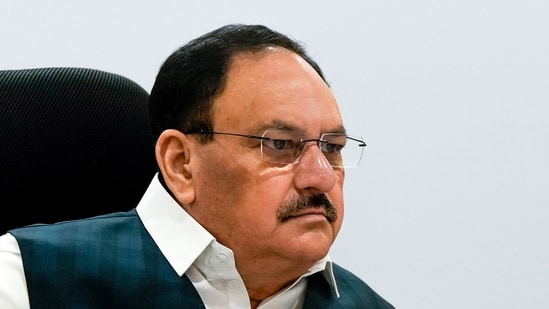
The meeting comes amid reports of a rise in swine flu cases in Delhi, with health concerns emerging against the backdrop of humid and variable weather conditions in the national capital.
The review is expected to assess the prevailing epidemiological situation, preparedness of healthcare facilities, availability of diagnostic and treatment facilities and measures being taken by the Delhi government and health authorities to monitor and contain the spread of H1N1.
Weather conditions and H1N1
The Centre's review also assumes significance as Delhi has been witnessing changing weather conditions, with humidity and fluctuations in temperature creating conditions conducive to the spread of seasonal respiratory infections.
According to a recent report, a spike in swine flu cases has been reported in Delhi amid the prevailing humid and variable weather conditions. Health experts have advised people to remain alert to flu-like symptoms and seek medical attention where required.
H1N1, commonly referred to as swine flu, is a respiratory infection caused by the influenza A(H1N1) virus. Symptoms can include fever, cough, sore throat, body ache, headache, chills and fatigue. In some cases, particularly among vulnerable groups, influenza can lead to serious complications.
Focus on surveillance, hospital preparedness
{{/usCountry}}H1N1, commonly referred to as swine flu, is a respiratory infection caused by the influenza A(H1N1) virus. Symptoms can include fever, cough, sore throat, body ache, headache, chills and fatigue. In some cases, particularly among vulnerable groups, influenza can lead to serious complications.
Focus on surveillance, hospital preparedness
{{/usCountry}}The review meeting is likely to focus on strengthening surveillance and ensuring that hospitals and health facilities remain adequately prepared to deal with any increase in cases.
Nadda has previously stressed the importance of coordination between the Centre and state governments in dealing with seasonal and communicable diseases. In July, he reviewed Delhi's preparedness for dengue prevention and control and called for close coordination among the Union government, Delhi government, municipal authorities, healthcare institutions and frontline workers.
During that review, Nadda had also emphasised proactive preparedness, disease surveillance, early detection, hospital preparedness and regular monitoring to prevent a potential surge in cases.
Review of healthcare infrastructure
The Union Health Ministry and Delhi government are therefore expected to assess whether existing surveillance mechanisms and healthcare infrastructure are sufficient to respond to the reported increase in H1N1 cases.
The meeting will also provide an opportunity for authorities to review the availability of medicines, testing facilities and hospital beds, besides strengthening public awareness regarding preventive measures.
The Health Ministry's review of the H1N1 situation is expected to provide a clearer assessment of the extent of the reported increase in cases and the measures required to prevent further transmission in Delhi.