Planting of wheat, the main winter staple, has been delayed, as farmers are yet to finish harvesting rice due to a late withdrawal of the monsoon, but robust early sowing of oilseeds and pulses appears promising in the wake of a global food crisis, analysts said.
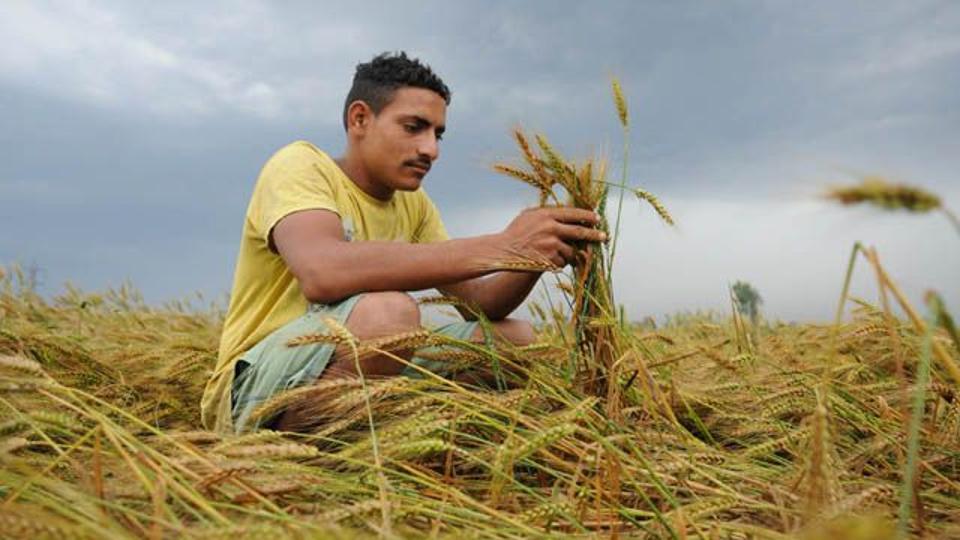
The October-to-March rabi crop season accounts for nearly half of India’s food output. After initially patchy rains this year led to a lower rice crop, a late surge in showers in September and early October flooded several food-bowl states.
Late harvesting of paddy has delayed planting of wheat, with no reports of sowing till now, according to official data. In March, a prolonged heatwave crimped output by 3 million tonne to 106 million tonne, pushing up prices as government stocks fell. To boost domestic availability, the government banned wheat export in May.
Last week, the cabinet approved a 5.4% hike in the minimum support price (MSP) of wheat for 2023-24 to stand at ₹2125 a quintal, the highest increase since 2017-18.
Heavy rainfall damaged paddy, the summer staple, in Uttar Pradesh, Haryana and Punjab, but also replenished soil moisture, prompting farmers to go for early sowing of mustard and gram.
{{/usCountry}}Heavy rainfall damaged paddy, the summer staple, in Uttar Pradesh, Haryana and Punjab, but also replenished soil moisture, prompting farmers to go for early sowing of mustard and gram.
{{/usCountry}}Farmers have planted mustard in 1.51 million hectare as on October 21, up 41% sown in the corresponding period last year, according to agriculture ministry data. Gram has been planted on 390,000 hectare, nearly 85% more than the previous year’s corresponding period. There is likely to be a jump in acreages of both crops across the season, commodity watchers said. Mustard is normally grown in about 6.4 million hectare.
“We expect wheat crop to be higher than last year as market prices are nearly ₹200-Rs300 more than last year,” said Rahul Chauhan, an analyst with IGrain Pvt Ltd.
The upcoming wheat crop, sown in October-November and harvested in April, will be crucial for the country’s food security as carry-over stocks from previous harvests are at their lowest level in five years. The government said last week that it expected normal wheat production during 2023-24.