The Maharashtra government has approached the Supreme Court challenging the Bombay High Court's recent verdict acquitting all 12 men previously convicted in the 2006 Mumbai train blasts, which claimed over 180 lives and injured hundreds. The top court has agreed to hear the plea on July 24.
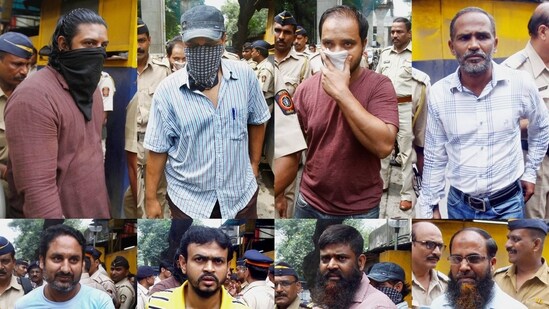
The state’s legal move follows a High Court judgment delivered on Monday, which overturned the convictions handed down by a special court in 2015. That trial had resulted in five death sentences and seven life imprisonments. The High Court found that the prosecution had “utterly failed” to prove its case and declared it “hard to believe the accused committed the crime.”
One of the death row convicts, Kamal Ansari, died in 2021. The remaining accused were ordered to be released, unless held in other cases.
Chief Minister Devendra Fadnavis described the verdict as “shocking” and confirmed that his government would take the matter to the apex court. “I will go through the entire (HC) order. I have discussed with the lawyers, and the high court verdict will be challenged in the Supreme Court,” he said.
The July 11, 2006, attacks - among the deadliest in India’s history - involved seven coordinated explosions on Mumbai’s suburban trains during the evening rush hour. The blasts caused devastation across the city’s western railway line and led to widespread national outrage.
{{/usCountry}}The July 11, 2006, attacks - among the deadliest in India’s history - involved seven coordinated explosions on Mumbai’s suburban trains during the evening rush hour. The blasts caused devastation across the city’s western railway line and led to widespread national outrage.
{{/usCountry}}In its scathing 671-page judgment, a special bench comprising Justices Anil Kilor and Shyam Chandak dismantled the prosecution’s case, ruling that the evidence lacked credibility and the confessional statements of the accused were inadmissible. The bench remarked that the confessions appeared to be copied, extracted under torture, and lacked authenticity.
“The prosecution has utterly failed to prove the case against the accused. It is hard to believe the accused committed the crime,” the bench said. It went on to highlight systemic lapses, including poor preservation of key evidence, mechanical application of the Maharashtra Control of Organised Crime Act (MCOCA), and the failure to examine crucial witnesses.