E-Paper



Nagaland: No fresh violence in state, bodies of two police firing victims buried
Tribal organisations in the state are opposed to the urban local body polls, saying they infringe upon on the state’s laws and traditions that bar women from participating in politics. The polls were scheduled for February 1.

 Prefer HTon Google


Paramilitary and police patrolled two major towns in Nagaland on Friday and mobile internet service remained cut as the northeast state bristled with tension a day after violent mobs burnt down government buildings to protest municipal elections. The bodies of two protesters killed in police firing on Tuesday were buried on Friday after a meeting between tribal organisations and the governor.
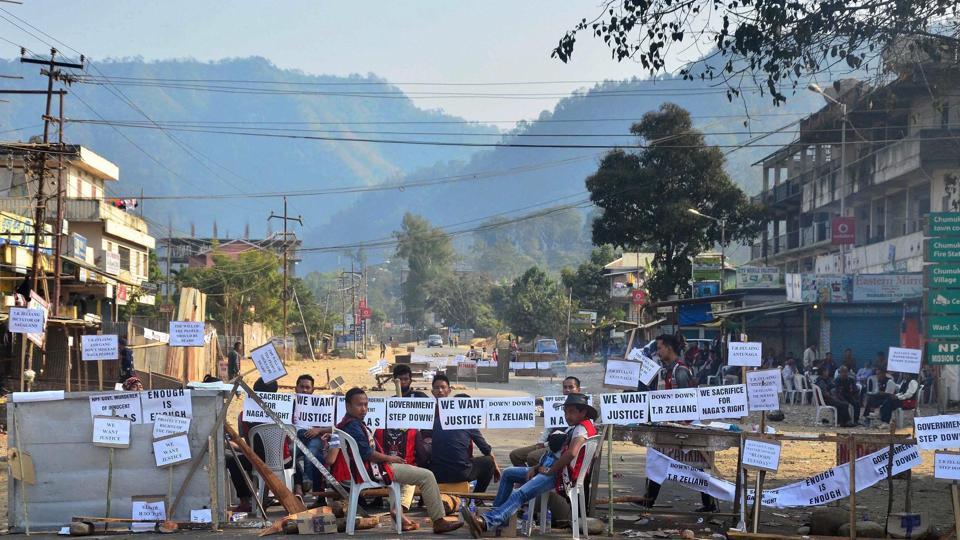
The protesters were killed in the state’s economic hub Dimapur earlier in the week, sparking Thursday’s violence in capital Kohima, a scenic hill town close to Khonoma village, considered the birthplace of India’s longest running insurgency spearheaded by the NSCN.
Tribal organisations in the Christian-majority state are opposed to the urban local body polls, saying they infringe upon on the state’s laws and traditions that bar women from participating in politics. The polls were scheduled for February 1.
“The situation is under control. No violent incidents were reported from anywhere,” said Nagaland director general of police LL Doungel, adding that curfew was lifted from some places in Kohima but continued in Dimapur.
Representatives of tribal bodies headed by the Nagaland Tribes Action Committee (NTAC) met governor PB Acharya seeking the resignation of chief minister TR Zeliang and his cabinet.
The regional Nagaland People’s Front – allied with the BJP-led NDA – is in power in the state.
“Following assurances from the governor that no wrong doer would be spared, the last rites of the two youths killed in Dimapur were performed,” said K Sechi, vice president of a youth organisation of the Angami tribe.
Nagaland is home to at least 16 major Naga tribes besides several sub-tribes spread over the state.
NTAC had earlier vowed not to bury the bodies till their demands seeking Zeliang’s removal, cancelling the polls and action against policemen involved in the firing incident, were fulfilled.
But following their meeting with Acharya, the tribal organisations decided to lift a ban on movement of private vehicles in Kohima. Restrictions on movement of government vehicles would, however, continue.
The government has already declared the polls null and void, ordered a judicial inquiry into the firing and transferred two senior police officers from Dimapur.
But the CM refused to step down terming the demands as “unreasonable and unconstitutional” since the government enjoyed “unquestionable majority and support of the entire assembly”.
“We understand the peoples’ sentiments, but they can’t demand resignation of the entire cabinet,” union minister of state Kiren Rijiju told journalists in New Delhi on Friday.
Stating that the situation in Nagaland was under control, the minister said he has instructed the director general of Assam Rifles to protect government buildings and ensure safety of the chief minister.
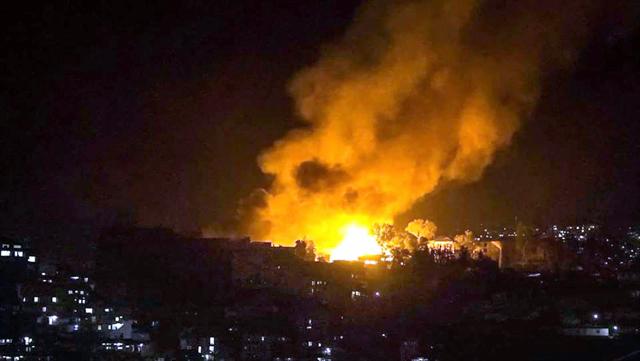
Assam Rifles troopers were deployed in Kohima after mobs burnt down the municipal council, offices of the deputy commissioner, excise superintendant and transport department.
On Monday, the state government had signed a deal with the tribal bodies to postpone elections by two months.
After the Gauhati high court directed the state government on Tuesday to hold the polls, the state government decided to go ahead with voting in 12 of the 32 municipal bodies.
This angered the tribal bodies and protesters spilled out to the streets.
Neiphiu Rio, the lone Lok Sabha MP from the state and former chief minister, blamed the state government with “misusing” their power against the wishes of the people.
“No elected government should go against the wishes and voice of the people,” PTI quoted him as saying.