E-Paper



New Delhi, Iran review Chabahar port progress
Bagheri Kani is Iran’s top nuclear negotiator, and foreign minister Hossein Amir-Abdollahian had tweeted on Monday that he is engaged in “substantiated and dynamic talks for the removal of sanctions with seriousness”.

 Prefer HTon Google


India and Iran on Tuesday discussed progress in the development of Chabahar port, even as foreign secretary Vinay Kwatra emphasised New Delhi’s commitment to strengthen cooperation with Tehran to address shared challenges.
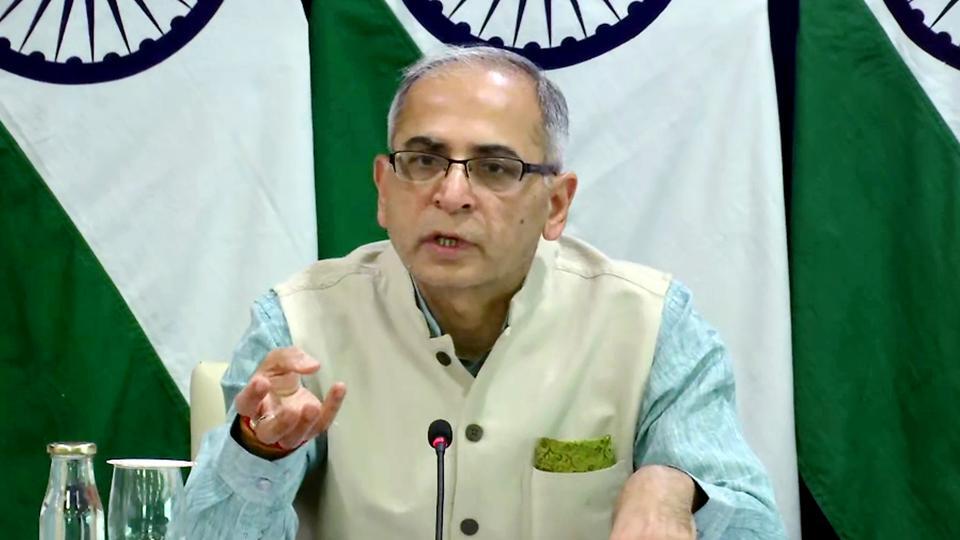
Kwatra spoke on phone with Ali Bagheri Kani, deputy minister for political affairs in Iran’s foreign ministry, and discussed various elements of bilateral relations, including progress on Chabahar port, the external affairs ministry said in a statement.
He “underscored India’s commitment to strengthen bilateral cooperation with Iran in addressing shared opportunities and challenges”. The two sides also discussed international and regional issues, including the situation in Afghanistan.
Also read: Strong earthquake kills 5 in southern Iran
Bagheri Kani is Iran’s top nuclear negotiator, and foreign minister Hossein Amir-Abdollahian had tweeted on Monday that he is engaged in “substantiated and dynamic talks for the removal of sanctions with seriousness”.
The phone conversation was a follow-up to Amir-Abdollahian’s visit to New Delhi last month, when he and external affairs minister S Jaishankar discussed ways to enhance cooperation in connectivity, trade and counterterrorism. This was Amir-Abdollahian’s first trip to India since he became foreign minister last year.
The engagements have been held against the backdrop of calls for easing of US sanctions on Iran and Venezuela following global shortage of crude oil supplies because of the war in Ukraine. Jaishankar, too, raised the issue at the annual Bratislava Forum in Slovakia last month, and questioned why Western powers were not allowing Iranian and Venezuelan oil to return to the global markets to address the shortage.
Also read: UN nuclear watchdog: Iran removing 27 surveillance cameras
Despite a waiver from the US sanctions for Chabahar port, the development of the strategic facility has been slow as manufacturers in the West have been reluctant to supply heavy equipment needed to bolster the capabilities of the port on the Gulf of Oman. India sees the port as a strategic transit hub for the region, especially the landlocked central Asian states.
India, Iran and Afghanistan signed a trilateral agreement in May 2016 to establish the International Transport and Transit Corridor (Chabahar Agreement). India has committed a total grant assistance of $85 million and a credit facility of $150 million for developing the Shahid Beheshti terminal at the port.