“Two years ago, around this time, when CPI inflation had peaked at 7.8% in April 2022, the elephant in the room was inflation. The elephant has now gone out for a walk and appears to be returning to the forest. We would like the elephant to return to the forest and remain there on a durable basis. In other words, it is essential, in the best interest of the economy, that CPI inflation continues to moderate and aligns to the
Can inflation elephant go back to the jungle?There is more than one inflation elephant, and only one of them is still out of the jungle
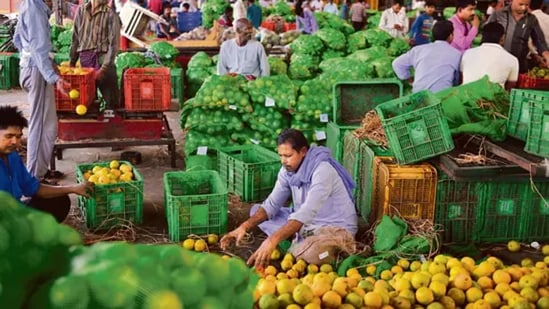
If one is using an elephant and the jungle analogy for inflation in India, it is best used for a bunch of elephants. A look at recent inflation data shows that the reason headline inflation number has still not settled at RBI’s 4% target is food inflation. Retail inflation for the non-food component of the CPI basket was 3.5% in the quarter ending December 2023, significantly lower than the 8.3% number for food part of the CPI basket. The latter has a share of 39% in the CPI basket. The asymmetry between food and non-food inflation has also continued in the months of January and February this year. This shows that while the non-food inflation elephant has returned to the jungle (RBI’s target), it is the food inflation elephant which is still outside it.
And food inflation has had a weak relation with non-food inflation in India
Data shows this clearly. The relationship between food and non-food parts of the CPI basket is pretty weak in India. This means that the recent asymmetry between food and non-food parts of retail inflation is not something new.
In fact, even sub-components of food basket do not move together
While the food basket of CPI has an overall weight of 39%, it is made up of various sub-categories. The problem with any policy trying to manage food inflation is that even the sub-components of food inflation do not move together. For example, prices of edible oil contracted by 15% in the quarter ending December 2023 while pulses inflation was 20% in this period. The mismatch between various components of CPI’s food basket is not something which is limited to just one period. A correlation matrix of inflation for various sub-categories of the CPI food basket shows this clearly. To be sure, the result is not very surprising because food inflation is more a result of short-term supply shocks (often a result of climate shocks) to an individual crop. With the climate crisis worsening such shocks are only going to increase. An inflation targeting policy which uses interest rates to bring inflation down is effective in dealing with demand driven inflation rather than supply-side inflation problems.
So, is RBI right in keeping interest rates high to bring down food inflation?
That this is not an insignificant question can be seen from the fact that one member within MPC, namely, Jayanth R Varma, has been arguing for the policy rate to be brought down. To be sure, his rationale for bringing down interest rates, as spelt out in the minutes of the MPC meeting in February , is different from the “high interest rates cannot bring down food inflation” logic. So why is RBI not bringing down interest rates? Governor Das’s statement gives a subtle hint about this reason. “Compared to many other central banks, the Reserve Bank has a much broader range of functions which is vital for ensuring macro-financial stability of a modern and complex economy like India”, it says. At a time when interest rates continue to be high in advanced economies such as the US, a fall in interest rates in India could have implications which will matter more in capital and currency markets than for inflation. This is more a reflection on limits of monetary policy in a world of free capital and currency markets rather than MPC’s prowess in fighting inflation.
{{^htLoading}}{{/htLoading}}{{#usCountry}}{{/usCountry}}