The University of Oxford Council has approved the repatriation of 39 Naga ancestral human remains held at the Pitt Rivers Museum (PRM) in the UK, marking a major step towards returning remains taken during the colonial era to their homeland.
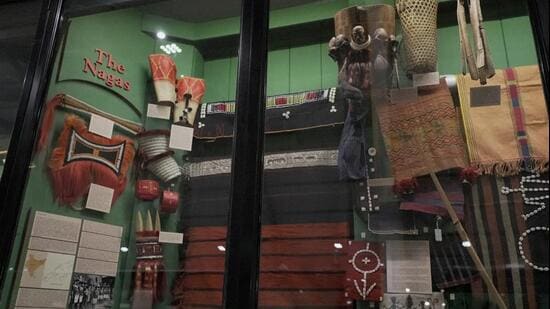
The repatriation, which is expected to be completed by the end of this year, would bring closure to an initiative undertaken jointly by the Forum for Naga Reconciliation (FNR) and its Recover Restore and Decolonise (RRaD), along with Naga tribe bodies.
In a letter to FNR convener Wati Aier, PRM director Laura Van Broekhoven conveyed that the University’s Council had on July 13 formally agreed to return 39 human remains while declining the repatriation of one set as it does not have clear evidence that it was of Naga origin. The letter expressed hope that work can now commence towards bringing the Naga ancestors to their homeland.
“The path home for the Naga ancestors has now become a reality as they journey to the Naga homeland. Repatriation, for the Nagas, is not simply about bones and ancestral remains finding their way back to the land, but importantly it is about memory returning to where it belongs. It is an essential step of a longer journey towards justice and dignity, and towards healing and wholeness,” read a joint statement of the FNR-RRaD and Naga tribe bodies.
Also Read: Naga delegation seek return of ancestral remains from UK’s Pitt Rivers Museum
{{/usCountry}}Also Read: Naga delegation seek return of ancestral remains from UK’s Pitt Rivers Museum
{{/usCountry}}The Pitt Rivers Museum reportedly holds over 6,000 Naga artefacts. A member of RRaD informed that while the museum is open to welcoming Naga researchers to study those collections, reclaiming them is not the RRaD’s focus presently.
Angami Public Organisation (APO) president Thejao Vihienuo said the matter of the burial of the Naga ancestral remains after their repatriation is being pursued with the state government, with the hope of giving them a dignified burial.
Altogether, around 219 Naga ancestral human remains are said to be under the care of the PRM.
“The Naga ancestral remains were taken away under duress during colonial era by colonial administrators and collectors,” coordinator of RRaD Ellen Konyak Jamir had earlier told HT.
“The knowledge that our ancestral remains are exhibited in museums across the world, or they are boxed up, housed in museums, and they are treated as specimens and collectibles; that has been news for us, and we have all been very shocked to know about this. So we (RRaD team) have tried our best as a team to go out to our community to share and talk about this information. This is a community-led initiative,” she said.
A Naga delegation visited the UK in 2025 on the invitation of the PRM to strengthen the repatriation process. The team also met with representatives from various British museums that held Naga belongings and human remains. The museums in the UK that hold Naga artefacts and remains taken away from Naga communities during the colonial rule include the British Museum, Museum of Archaeology and Anthropology at Cambridge University, Manchester University, South Asia Gallery, Horniman Museum and Bristol Museum.