
 E-Paper



Paramilitaries likely to be withdrawn from Bastar by Mar 2027: Chhattisgarh DYCM
Chhattisgarh deputy chief minister Vijay Sharma noted that the Union government has set March 31, 2026, as the deadline for ending the Left-wing insurgency

 Prefer HTon Google


Chhattisgarh deputy chief minister Vijay Sharma has said most paramilitary forces deployed in the Bastar region are likely to be withdrawn by March 31, 2027, with the Union government setting March 31, 2026, deadline for ending the Left-wing insurgency.
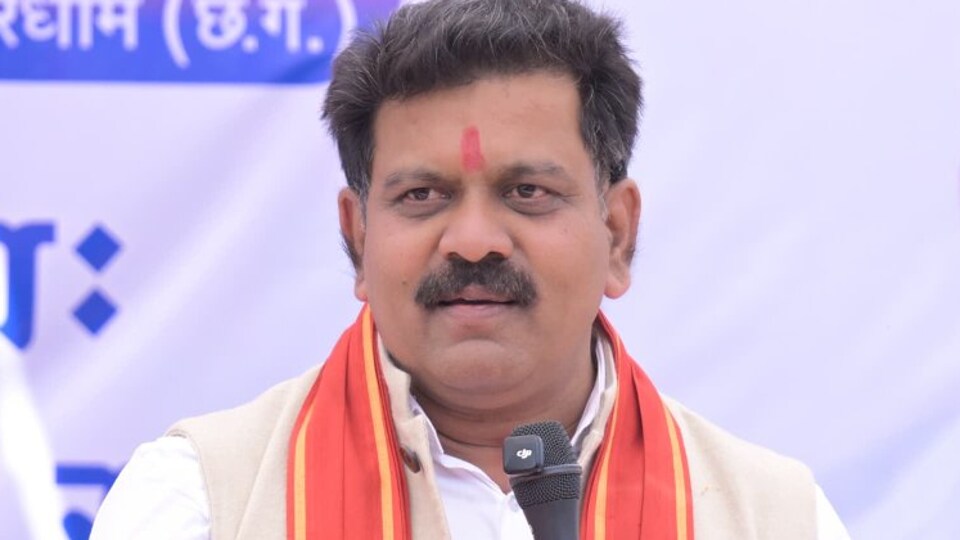
“March 31, 2026, has been fixed as the deadline to end armed Maoism, and it has also been decided that the forces will start returning by March 31, 2027. Some may go back even earlier,” Sharma told the state assembly on Tuesday
He said discussions have been held to set March 31, 2027, as the timeline for withdrawal of central forces, though the schedule may vary slightly. “After that, all the central forces would also leave.”
Sharma told the House that the police department has been allocated ₹7,130.48 crore under the revenue expenditure head and ₹590.53 crore under the capital expenditure in the budget, taking the total allocation to ₹7,721.01 crore.
He said ₹38 crore has been earmarked for fixed deposits and vocational training for surrendered Maoists under the central rehabilitation policy.
Former chief minister and Congress leader Bhupesh Baghel said everyone wants Maoism to end and peace to prevail. He noted the government has repeatedly said that Maoism would end by March 31, 2026. “Only 21 days are left for March 31. We hope that after that, the withdrawal of paramilitary forces will begin,” Baghel said.
Baghel suggested a special session of the assembly should be convened on March 31 to celebrate the end of Maoism. He added that after Maoism ends, Bastar should primarily benefit the local people.
-kW0H-U20214218012MgB-250x250%40HT-Web.jpg)


