India is likely to remove convalescent plasma therapy from the National Clinical Management Protocol for the coronavirus disease (Covid-19) after it showed no benefits in treating patients of the viral disease.
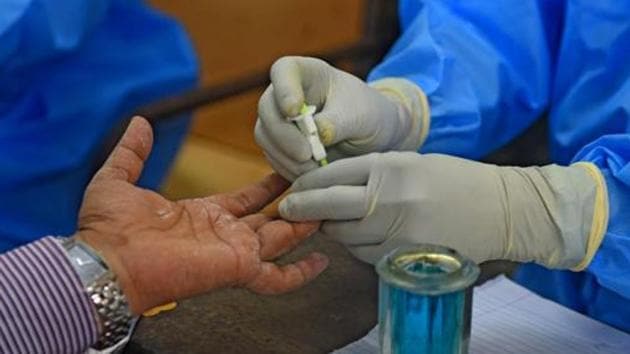
Convalescent plasma therapy involves transfusing critically ill Covid-19 patients with convalescent plasma (antibody-rich plasma from patients who recovered from the disease) so that they can fight the disease better.
“We have had discussions at the National Task Force (NTF) and we are discussing further with the Joint Monitoring Committee. This (plasma therapy) may be deleted from the national guidelines,” said Dr Balram Bhargava, director general, India Council of Medical Research (ICMR).
Click here for full Covid-19 coverage
ICMR had conducted a pan-India study to determine the role of plasma therapy, and the Union health ministry had added it as one of the investigational therapies in the national protocol for treating Covid-19 patients.
“The largest trial on plasma therapy has been done in India with 464 patients in 39 hospitals and 350 doctors. This paper was accepted in the British Medical Journal and we have received the proof and it is going to appear very soon. It is a full paper with more than 10 pages of hardcore science talking about the role of plasma in curing Covid-19,” said Bhargava.
The primary outcome of the study was to check the proportion of patients remaining free of mechanical ventilation. Secondary outcome of the study was to monitor, among other things, mortality, duration of hospital stays, duration of intensive care unit stays, requirements of vasopressor (medicine to treat severely low blood pressure in critically ill patients) and days free of dialysis.
{{/usCountry}}The primary outcome of the study was to check the proportion of patients remaining free of mechanical ventilation. Secondary outcome of the study was to monitor, among other things, mortality, duration of hospital stays, duration of intensive care unit stays, requirements of vasopressor (medicine to treat severely low blood pressure in critically ill patients) and days free of dialysis.
{{/usCountry}}“…and it clearly demonstrated no benefit in reducing mortality in moderate to severe cases of Covid-19. It also did not arrest the progression of disease from moderate to severe {cases}…,” Bhargava had said last month while releasing the interim study’s results.
As reported by HT on Friday, October 16, Dr Bhargava confirmed that the national task force on Covid-19, and Union health ministry’s joint monitoring group, were also reviewing whether to continue the drugs remdesivir and hydroxychloroquine (HCQ) as part of the national Covid-19 treatment protocol, after the World Health Organisation (WHO)’s Solidarity Trial showed little or no benefit of these drugs on patients of the coronavirus disease.
“India has been a participant for WHO’s 30 country Solidarity Trial. WHO has just put up their interim results of this trial on their website. This has not yet been peer-reviewed. However, we find that these drugs are not performing as we had expected. So, debate and discussion is ongoing at the national task force and the joint monitoring group. It will take into cognizance the results of these trials. And issue the advisories accordingly,” said Dr Bhargava.