
 E-Paper



PM Modi gives Ladakh its first central university; will have a Centre on Buddhist Studies
The proposed central university will have a centre of Buddhist studies for largely Gelug and Kagyu sect population of Ladakh.

 Prefer HTon Google


Prime Minister Narendra Modi has greenlighted the plan for the first central university in Ladakh with a Centre on Buddhist Studies, a move that comes just about a fortnight before the first anniversary of the parliamentary enactment that led to the creation of Ladakh as a union territory.
The proposed central university will offer degrees in all courses such as liberal arts and basic sciences except engineering and medical education.
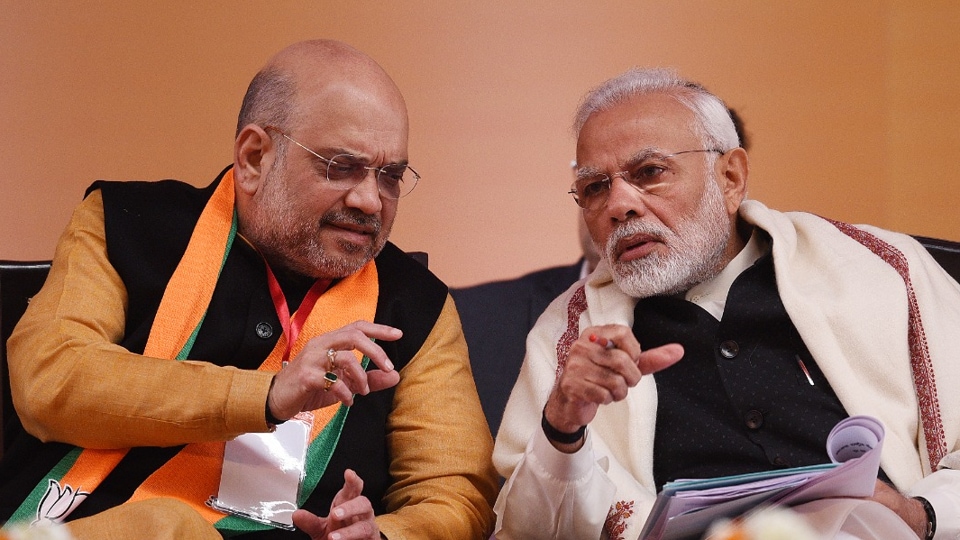
PM Modi’s in-principle approval came at a meeting convened on Monday to review the steps taken by the government over the last one year in the union territories of Ladakh, and Jammu and Kashmir and outline the priorities for the Centre over the next few months to improve the lives of people. Union home minister Amit Shah, external affairs minister S Jaishankar, National Security Advisor Ajit Doval and all top officials attended this meeting.
Also read: DRDO sets up Covid testing facility in Leh
On 5 August last year, the Centre had moved Parliament to strip the erstwhile state of Jammu and Kashmir of its special status in the Constitution and create the two union territories. The Centre had then promised that the Union Territory status would lead to an improvement in the security situation in the centrally-administered territories and put the focus back on development.
The education ministry is expected to move a formal proposal to set up the central university soon. It will require enactment of a central legislation that will, after clearance from the Union cabinet, go to parliament for its approval.
PM Modi indicated his approval to set up a central university at the July 20 meeting since more than 10,000 Ladakhi students were forced to travel hundreds of kilometres away from home for higher education, people familiar with the development said.
Ladakh got its first university - University of Ladakh - only recently after the state assembly enacted a legislation in December 2018. This was a cluster university created by pooling all the resources of existing colleges of Ladakh.
According to a proposal of the human resource development ministry, the Ladakh Central University is also aimed at students from Lahaul and Spiti districts of Himachal Pradesh once the Rohtang La tunnel opens this year and ensures round the year access to Leh via Jispa-Sarchu-Upshi route. The university will have a Centre for Buddhist Studies to cater to the largely Gelug (to which the 14th Dalai Lama belongs) and Kagyu sect of Tibetan Buddhist population of Ladakh.
It is learnt that the PM was totally focused on development of the two UTs and wanted specific improvements highlighted in the coming days. He did not want the development debate to be digressed into the achievements of the state police and security forces on counter-terrorism front.
Even though the government is clear that vested interests within and across the border will try and vitiate the atmosphere close to August 5, there was consensus in the meeting that the development agenda in both the UTs should not be derailed at any cost.


