
 E-Paper



Long before Supreme Court rap, PMO told 3 states to step up effort on Delhi air: Official
PK Mishra, Principal Secretary to the Prime Minister, in a meeting on Monday reviewed measures taken by Delhi, Punjab and Haryana to tackle air pollution which is choking the capital.


The Principal Secretary to the Prime Minister,P K Mishra, on Monday asked the Delhi, Haryana and Punjab chief secretaries to look at ways to incentivise farmers to use crop residual management (CRM) machines as well as chalk out medium and long term solutions to end air pollution in Delhi.
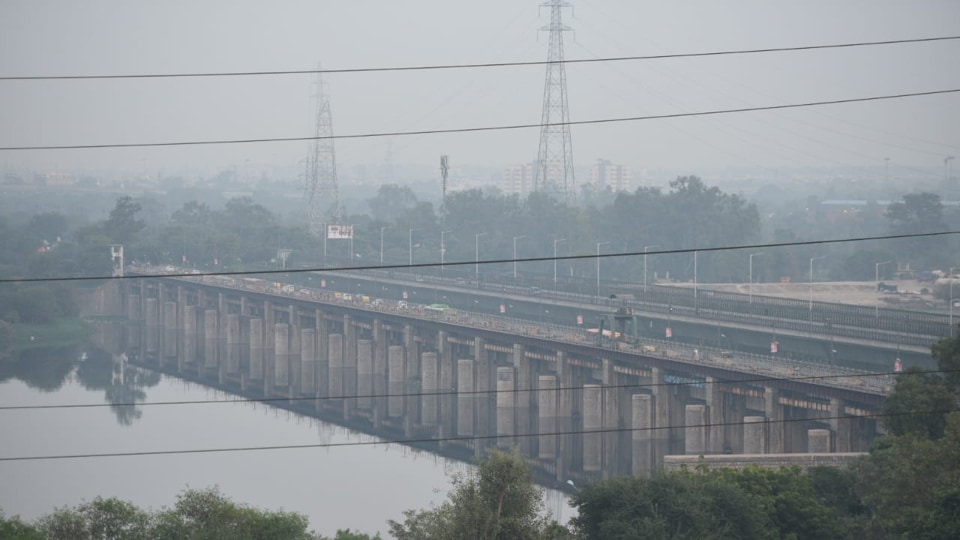
Mishra was reviewing measures taken by the three to tackle air pollution which is choking the capital. A significant part of this pollution is directly linked to stubble burning by farmers in neighbouring states.
Mishra made it clear to the state chief secretaries that stubble burning must be prevented as penalising the polluter does not help in reducing air pollution. He asked the Delhi Chief Secretary to target major pollution sources such as road and soil dust, construction and demolition activities, biomass burning, vehicle emissions, industrial activity, and power production. The Prime Minister’s Office, along with the states have identified industrial clusters in the three states as well as traffic hot spots .
The Union government seems to have anticipated severe air pollution in Delhi due from stubble burning.
On October 10, Cabinet Secretary Rajiv Gauba took a review meeting of all concerned secretaries including the Chief Secretaries of Punjab, Haryana and Delhi. According to the minutes of the meeting, the Chairman of Central Pollution Control Board (CPCB) cautioned that stubble burning in neighbouring states contributes to about 35% with weather changes, surface wind speeds and circulation rate making the matters worse. At the meeting, the CPCB chairman showed a table that corelated the spiking of PM 2.5/10 with the stubble burning in October-November 2018. He identified Punjab districts of Firozpur, Patiala, Tarn Tarn, Muktsar, Sangrur, Moga and Haryana districts of Kurukshetra, Karnal, Fatehabad, Kaithal and Jind as the principal polluters of Delhi through stubble burning.
At the meeting, the Punjab and Haryana Chief Secretaries said that delivery of crop residue management (or CRM) machines to all districts would be completed by October 10. The Punjab CS pointed out that due to delay in harvest the use of CRM would peak between October 20 and November 15. “ The Chief Secretary stated that cost of in-situ CRM was about Rs 100 per quintal of paddy. Therefore the state government was requesting that the said amount be paid as incentive to the farmers who do not engage in stubble burning. He also mentioned a recent order of Punjab and Haryana High Court staying during the pendency of case before them, the collection of fines levied in earlier years for stubble burning while allowing necessary action to be taken to prevent stubble burning during the current year,” said a senior official present at the meeting.
On Saturday, Punjab Chief Minister Amarinder Singh aired this incentive suggestion in a letter to Prime Minister Modi,
On October 24, Mishra met a high level task force set up to contain Delhi pollution. At that meeting, he directed both Punjab and Haryana to enure deployment of all farm machinery to check stubble burning. He specifically asked for vigil to be maintained in districts identified for active fire incidents till November 15, 2019. he alwo warned that stubble is usually burned on weekends.
The Principal Secretary to PM also directed the Delhi Chief Secretary to ensure that no burning of biomass or waste is done during this period. The identified hot spots were to be monitored on highest alert for reducing open burning of waste and biomass in the Capital. There were separate detailed instructions for NDMC, MCD, Delhi Police, Ministry of Environment and Forests, Urban Development Ministry and Power Ministry.
On November 3, as pollution peaked on the capital, Mishra again reiterated his detailed instructions to the concerned officials.


