
 E-Paper



Rafale order plan: Govt to ensure jets can carry indigenous missiles
The defence ministry is expected to issue the Request For Proposal (RFP) to French jet maker Dassault in May, and contract negotiations will begin thereafter.

 Prefer HTon Google


India will ensure that indigenously developed missiles and weapons systems can be integrated into the 114 Rafale fighters it plans to buy, people familiar with the matter said.
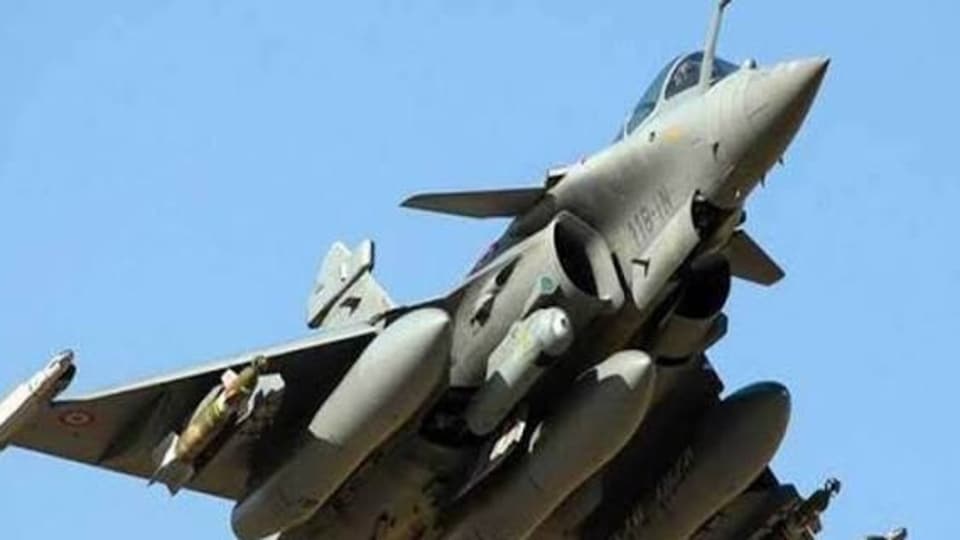
It will do so by insisting on a so-called interface control document (ICD) in the government to government contract on the “buy and make” deal, they added, asking not to be named.
The defence ministry is expected to issue the Request For Proposal (RFP) to French jet maker Dassault next month, and contract negotiations will begin after that. The Defence Acquisition Council (DAC) cleared the deal on February 12.
The people cited above said the plan is to “hardwire” ICD into the final contract for the ₹3.25 lakh crore mega deal. ICD is a critical system engineering document that controls and defines all the vital protocols between a system and sub-systems. According to the proposal cleared by DAC, 18 fighters will be delivered in fly away condition from France while remaining 96 will be manufactured in India with indigenous content of over 25%.
Also Read: India's FY26-27 IAF plan: Rafale, transport aircraft deals lined up
Amidst reports that the mega deal has hit a hurdle with French Rafale manufacturer Dassault refusing to hand over “source code” of the fighter to India, top defence ministry officials confirmed to Hindustan Times that no country offers up these proprietary software codes (which control the radars, electronic warfare suite and weapon integration) to any third country and the deal remains well on track. The “source codes” virtually control the entire fighter including avionics, target tracking, flight control, weapon launch and weapons release algorithms. The code is the intellectual property of the original equipment manufacturer, which is not shared even with the closest of allies, the officials added.
While India’s long term strategic ally Russia has offered two squadrons of fifth generation Su-57 to Indian Air Forces and is involved in upgrading the existing Su-30 MKI fighter fleet with state-owned HAL, it has never shared or offered to share source codes of either of these fighters, HT learns. The same holds true for American aircraft manufacturers with Indian transport fleet and attack helicopter fleet made up of US aerial platforms.
Even though India has not taken any decision on acquisition of fifth generation aircraft either from US or from Russia, it is focused on indigenous development of Tejas Mark I A along with long range missiles and twin engine AMCA for the future in order to reduce dependence on foreign aerial platforms, beyond visual range air to air, and air to surface missiles.


