An RTI applicant has been asked to pay the Goods and Services Tax (GST) for getting information from the Madhya Pradesh Housing and Infrastructure Development Board here under the transparency law.
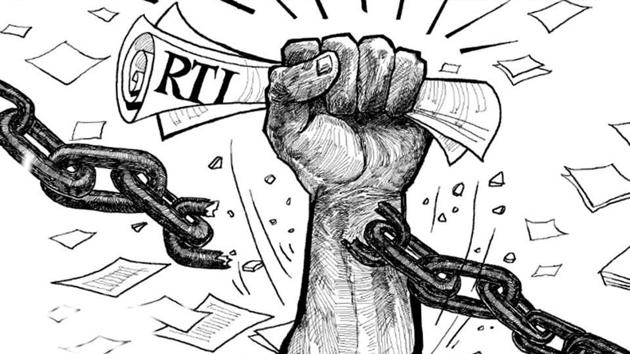
Exercising his right to know, anti-corruption activist Ajay Dubey had sought details of expenditure on renovation of office of Real Estate Regulatory Authority (RERA), Madhya Pradesh, from the board.
To his surprise, the board asked him to pay Central Goods and Services Tax (CGST) and the States Goods and Services Tax (SGST) at the rate of nine per cent each, according to the official documents.
Dubey paid Rs 43 – Rs 36 as photocopy charges for 18 pages (at the rate of Rs 2 per page), Rs 3.5 as CGST and Rs 3.5 as SGST, the documents show.
“It is unfair and illegal for a public authority to charge CGST and SGST for supply of information under the Right to Information (RTI) Act. I will appeal against this before the appropriate authority,” he told PTI.
Finance minister Arun Jaitley-led GST Council had in January this year recommended “to exempt supply of services by way of providing information under RTI Act, 2005 from GST”.
{{/usCountry}}Finance minister Arun Jaitley-led GST Council had in January this year recommended “to exempt supply of services by way of providing information under RTI Act, 2005 from GST”.
{{/usCountry}}While hearing a case, transparency watchdog Central Information Commission (CIC) had in February said public authority cannot quote a price for the information, treating it as goods or service of sellable nature.
“Besides, giving information is not even service, being transparent is the inherent duty of public authority and central public information officer (CPIO) can only collect the cost of copying charges so that the government exchequer is not affected. Therefore, the demand of GST charges made by the CPIO is illegal and unreasonable,” the order by central information commissioner M Sridhar Acharyulu said.