
 E-Paper



Scientifically Speaking: A heart drug disguised as a weight-loss injection
The heart benefits of semaglutide, the active ingredient in drugs such as Wegovy and Ozempic, do not depend on how much weight a person loses

 Prefer HTon Google


By now, everyone has heard of GLP-1 wonder drugs like Ozempic and Zepbound. They show up in Bollywood interviews, influencer reels, and real medical conversations. Their posters are plastered all over airports.
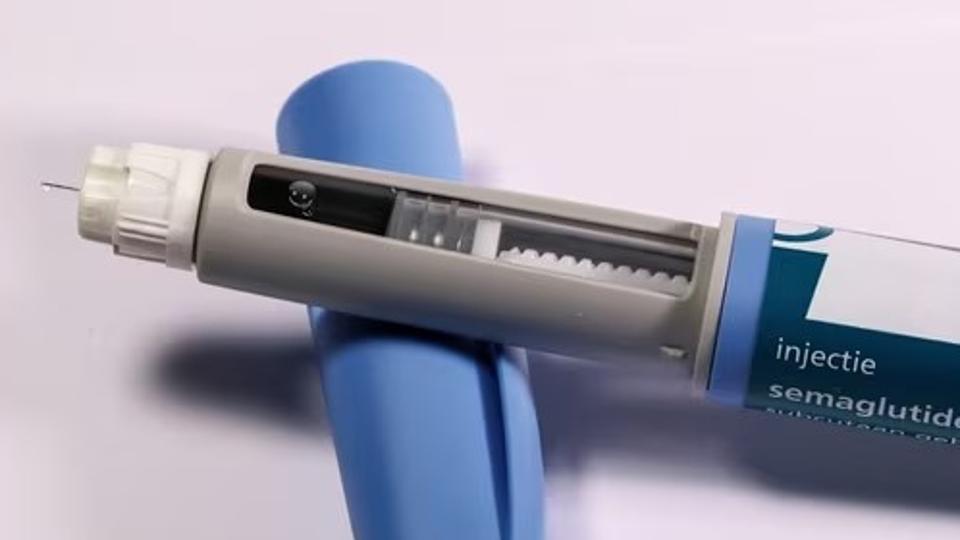
Semaglutide belongs to this class of drugs. They were initially developed to control blood sugar in diabetics, but researchers noticed something unexpected: they also triggered substantial weight loss and appeared to protect against heart attacks and strokes. The medical community assumed this cardiovascular benefit came from weight loss. Obesity strains the heart, raises blood pressure, and promotes inflammation. Initially, marketed as diabetes treatment.
A medical analysis published in The Lancet last month gives a different answer. The heart benefits of semaglutide, the active ingredient in drugs such as Wegovy and Ozempic, do not depend on how much weight a person loses. The drug seems to protect the heart in ways that go well beyond shrinking the number on the scale.
The new paper comes from the SELECT trial, the largest study of a GLP-1 drug in people without diabetes. Led by Professor John Deanfield at University College London, it included 17,604 adults aged 45 and older who were either overweight or obese and had already developed cardiovascular disease. Half received weekly semaglutide injections, while the other half received placebo. Over just over three years, the researchers tracked not just cardiovascular events like heart attacks and strokes, but also weight changes and waist circumference measurements.
The headline finding is striking. Semaglutide reduced major cardiovascular events by 20 percent regardless of how much weight patients lost. People who lost more than 5 percent of their body weight on semaglutide and those who lost less had nearly identical reductions in cardiovascular risk. For a drug marketed primarily as a weight loss injection, that is quite a finding.
The second message is about the waist. Belly fat, common among middle-aged Indians, has been shown to be a greater signal of metabolic issues than overall body weight. People who reduced their waist circumference more while on semaglutide had a slightly lower risk of future heart events. But even here, this accounted for only about a third of the full benefit. Roughly two-thirds is unexplained by either weight or waist changes.
On the other hand, patients who lost the most weight while on placebo had the highest rates of cardiovascular events. This pattern suggests that unintentional weight loss in people with heart disease could be a sign of illness rather than improving health. Perhaps those patients were losing weight because they were sicker to begin with.
So, if weight loss is the cause of improved heart health what might be? The answer probably lies partly in semaglutide’s effects beyond its effect on fat. Studies suggest GLP-1 drugs can improve the way blood vessels function and may dampen inflammation. The medication also improves cholesterol levels. These effects start early, well before large amounts of fat are lost, which helps explain why cardiovascular benefits were already visible by around 20 weeks, long before maximum weight loss occurred.
To be clear, GLP-1 drugs are not going to replace statins for cholesterol and blood pressure medicines. The cost most and they need to be injected. Their effects need to be established in longer, independent trials.
However, the next generation of GLP-1 drugs in pill format is on the horizon. A high-dose oral semaglutide pill has produced about 15 per cent weight loss in trials, and other candidates are in development. It remains to be seen if these pills will have a similar protective effect on the heart, but there’s no doubt that these drugs are having a field day.
Anirban Mahapatra is a scientist and author, most recently of the popular science book, When The Drugs Don’t Work: The Hidden Pandemic That Could End Medicine. The views expressed are personal.


