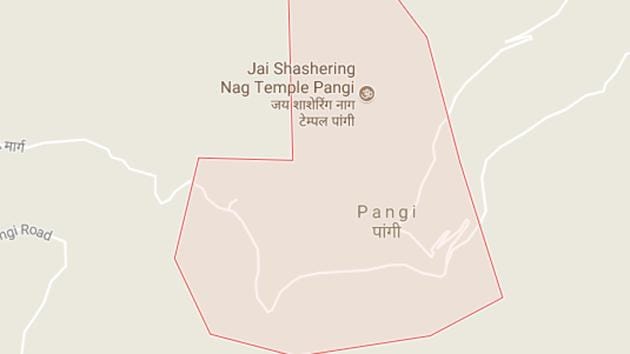
The Pangi valley in Chamba is known for its rustic beauty and rich culture. There is, however, another side to it — a life full of hardships due to the geographical constraints.
Pangwala, as the inhabitants of Pangi are known, is an underprivileged community. The condition of women in this community is even more miserable. Most of them illiterate, confined to their homes, loaded with social burdens, unfavourable economic conditions and burden of patriarchal are just a few challenges the face on a daily basis.
Two years back, however, things starting changing, for the better. 29-year-old Nain Dei’s life initially revolved around working in the fields and restricting to household chores.
However, leaving the past behind, Dei has emerged as a harbinger of the transformation taking place in the tranquil valley of Pangi.
The success stories of Nain Dei and 1,200 other rural women, who together formed 75 self-help groups is based on the same foundation. In 2016, Collective Efforts for Voluntary Actions (CEVA), a non-profit organisation, working in the Pangi valley for eight years, collaborated with National Bank of Agriculture and Rural Development (NABARD). It encouraged the women to form self-help groups to empower themselves and improve their socio-economic conditions.
“Initially they were engaged in handloom and handicraft. This was mainly tribal woollen produce — socks, scarf, caps and gloves,” says CEVA president Haresh K Sharma.
{{/usCountry}}“Initially they were engaged in handloom and handicraft. This was mainly tribal woollen produce — socks, scarf, caps and gloves,” says CEVA president Haresh K Sharma.
{{/usCountry}}NABARD imparted training so that the women could polish their skills and be at par with the market demands and to inculcate entrepreneurial culture among them. “Marketing was a weak link. CEVA worked on this aspect and thus brand ‘Pangi Hills’ came into being,” adds Harish.
Products are a hit
The products made under the brand are reportedly a big hit in markets like Delhi. “Initial success made us add more products. These were mostly organic, ranging from hazelnuts, mushroom, medicinal herbs, black cumin, morchella esculenta and locally grown organic kidney beans,” says Harish.
In an ‘ajeevika mela’, organised by the Union ministry of rural development in Delhi earlier this year, the ‘Pangi Hills’ received outstanding response and won accolades for their unique packaging. “One member of a self-help group, comprising 7 to 8 members, earns between ₹25,000-₹30,000 in an exhibition and ₹2 lakh - ₹2.5 lakh per annum,” says Nain Dei, adding, “We keep encouraging other women in the Valley to join the mission.”
33-year-old Kamla Devi says, “We are no more dependent on our husbands or other male members, but supplement the earnings of our families.” Kamla leads a self-help group at a Pangi village.
About the valley
The Pangi valley, located at an elevation of 2,100-3,500 metres is a remote, rugged and poorly developed tribal area. The valley remains cut-off from rest of the state for over seven months due to snow.