
 E-Paper



Seven Maoists surrender in Chhattisgarh’s Gariaband: Police
All seven were associated with the banned outfit for more than a decade and had been involved in several violent incidents, the Chhattisgarh Police said

 Prefer HTon Google


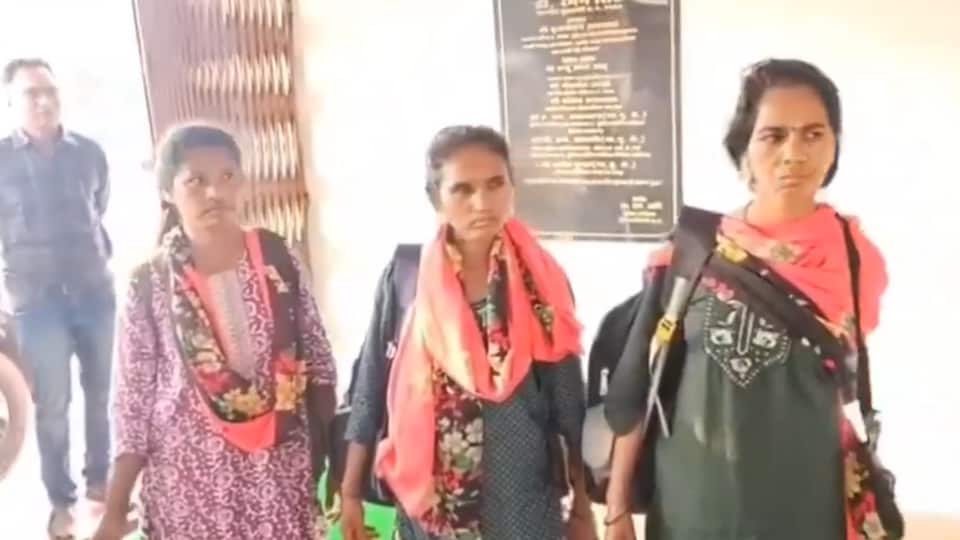
RAIPUR: Seven Maoists, members of the Udanti Area Committee of CPI (Maoist), surrendered to the police in Chhattisgarh’s Gariaband district, officials said on Friday.
The Udanti Area Committee had been active in the forested border areas between Gariaband, Mahasamund and Odisha’s Nuapada and Nabarangpur districts, police said.
Police said the seven carried a combined reward of ₹37 lakh.
Those surrendered have been identified as Sule alias Jagat Singh, Arjita Tekam alias Suresha, Vidhya Sodi alias Jamli, Budhru alias Anita, Nandni, Mallesh, and Kanti alias Mavali. They also handed over six weapons during the surrender, a police statement said.
Sule and Arjita, both divisional committee members, had a bounty of ₹8 lakh each. Vidhya carried a reward of ₹5 lakh and worked as deputy commander, while Budhru, Nandni and Kanti, each with ₹5 lakh on their heads, were active members of the area committee. Mallesh, a party member, carried a ₹1 lakh reward.
“All seven were associated with the banned outfit for more than a decade and had been involved in several violent incidents and encounters with security forces between 2018 and 2025 in Gariaband and adjoining regions,” said Inspector General of Police, Raipur range, Amresh Mishra.
Under the state’s surrender policy, the ultras will be provided with financial assistance, housing, education and employment opportunities to facilitate their reintegration into society.
The Gariaband police said the Maoists gave up arms due to disillusionment with the Maoist ideology.
-kW0H-U20214218012MgB-250x250%40HT-Web.jpg)


