Posters put up as part of a safety campaign in Gujarat have sparked a controversy, as the messaging on them urged women to stay home and "don't go to late-night parties" or they would be raped.
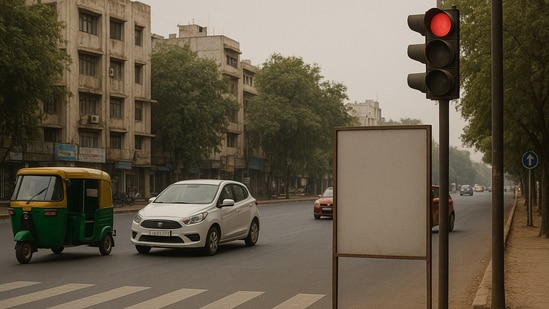
Visuals of such posters being put up on the streets went viral on Saturday, with claims that they were sponsored by the Ahmedabad traffic police.
Posters with messages such as "do not attend late night parties, you could be raped or gangraped," and "do not go with your friend to dark, isolated areas, what if she is raped or gangraped?" were pasted on road dividers, reported news agency PTI.
Taking cognisance of the issue, Safin Hasan, Deputy Police Commissioner, Traffic Branch, said that a vigilance group had taken permission from the Ahmedabad Traffic Police before putting up the posters to spread traffic awareness.
"However, going outside the purview of traffic awareness, they had posted these posters," Hasan told news agency ANI, adding that the banners have since been taken down.
The official also said that the police have filed a report regarding the installation of these banners, "including details such as whether permission from the Ahmedabad Municipal Corporation was obtained, the purpose of installation, and the individuals responsible".
{{/usCountry}}The official also said that the police have filed a report regarding the installation of these banners, "including details such as whether permission from the Ahmedabad Municipal Corporation was obtained, the purpose of installation, and the individuals responsible".
{{/usCountry}}The case will be further investigated on these factors.
A video of the poster was posted by the Gujarat unit of the Aam Aadmi Party (AAP), slamming the BJP-led state government. "The chief minister and BJP leaders talk about women's safety, but today in a big city like Ahmedabad, these posters express the reality of Gujarat. Our question to the CM is whether the women of Gujarat should go out of the house at night or not?" the statement read.
Meanwhile, Deputy Commissioner of Police (Traffic West), Neeta Desai told PTI that an NGO named 'Satarkata Group' had put up the posters.
"The NGO had approached us and said they wanted to organise traffic awareness programmes in schools and colleges and wanted our staff to accompany them. We were shown posters related to traffic awareness. But such controversial posters were not shown to us and were plastered without our consent," Desai said.