
 E-Paper



Electoral bonds verdict: Here are the three directions issued by Supreme Court
The electoral bonds scheme was on Thursday struck down by the Supreme Court in a unanimous verdict.

 Prefer HTon Google


Electoral bonds verdict by the Supreme Court is unambiguous.
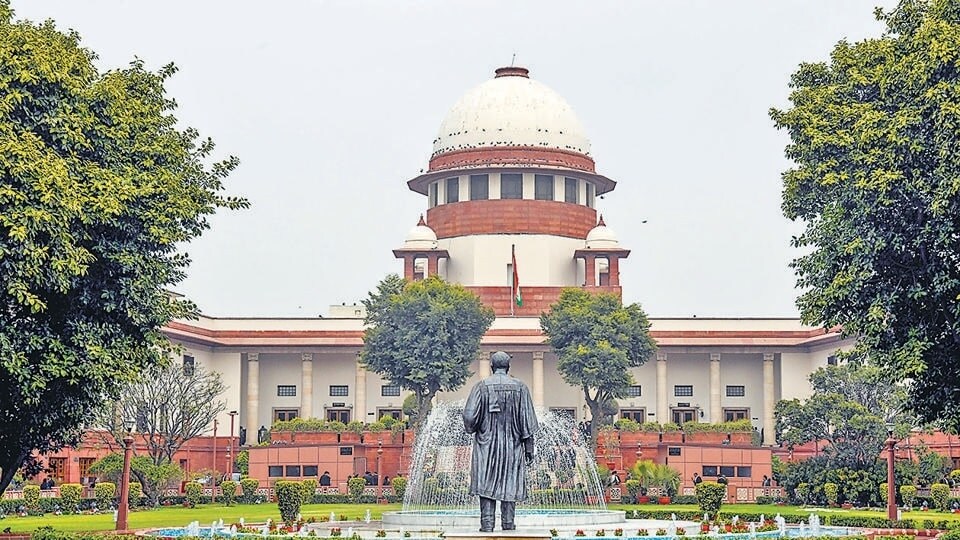
The top court's landmark judgement on Thursday, a unanimous verdict, struck down electoral bonds as “unconstitutional”. According to the five-judge bench headed by chief justice of India DY Chandrachud, the scheme which allowed anonymous funding to political parties, violated the right to information and Article 19(1)(a) of the Constitution.
The top court was ruling on a batch of pleas challenging the legal validity of the central government's electoral bonds scheme. The decision comes off as a setback for the BJP which has been the largest beneficiary of the system it introduced in 2017.
Pronouncing its verdict, the Supreme Court issued three directions in the matter:
- All the electoral bonds within the 15-day validity period shall be returned by political parties to the purchasers.
- The Election Commission of India (ECI) will make all donations public within one week of the receipt of information.
- The State Bank of India (SBI) should stop issuing electoral bonds immediately and submit all details to the ECI by March 6.
What is the electoral bonds scheme?
The electoral bonds scheme was first announced by former finance minister Arun Jaitley during the 2017 Budget Session. Later, it was notified in January 2018 as a source of political funding by way of money bills introducing amendments to the Finance Act and the Representation of the People Act. In order to implement the scheme, the Centre carried out certain amendments to the Companies Act, Income Tax Act Foreign Contribution Regulation Act (FCRA), and the Reserve Bank of India Act.
According to the scheme's provision, only the political parties registered under Section 29A of the Representation of the People Act, 1951, and which secured not less than 1 percent of the votes polled in the last elections to the Lok Sabha or a state legislative assembly are eligible to receive electoral bonds.
However, several people and organisations including Congress leaders, CPI(M), and some NGOs, filed petitions in the apex court challenging the scheme's constitutional validity. According to the petitions, the scheme opened doors to shell companies and promoted corruption.


