
 E-Paper



Electoral bonds scheme 'unconstitutional’: Supreme Court strikes down poll funding system
The Supreme Court holds that anonymous electoral bonds scheme is violative of the right to information under Article 19(1)(a).

 Prefer HTon Google


In a landmark verdict, the Supreme Court on Thursday said the electoral bonds scheme has to be struck down as “unconstitutional”. It has delivered a unanimous verdict on a batch of pleas challenging the legal validity of the central government’s electoral bond scheme which allowed for anonymous funding to political parties.
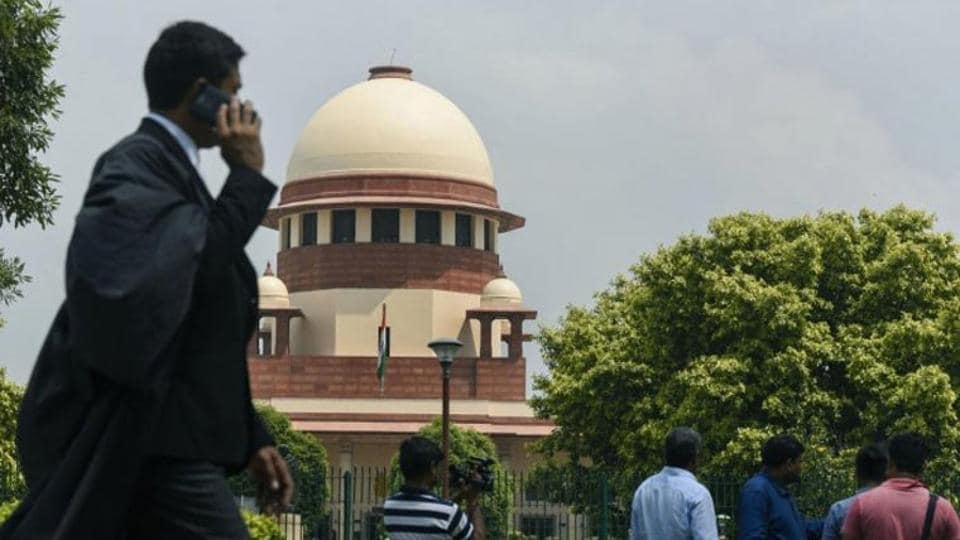
A five-judge Constitution bench headed by Chief Justice DY Chandrachud held that the anonymous electoral bonds scheme is violative of the right to information under Article 19(1)(a). The bench had on November 2 last year reserved its verdict in the matter.
The Supreme Court said political parties are relevant units in the electoral process and information about funding of political parties is essential for electoral choices. The court also directed the State Bank of India or SBI to not issue any more of these bonds. Follow Live Updates on Electoral bonds case
The decision is seen as a setback for the Bharatiya Janata Party, which has been the largest beneficiary of the system it introduced in 2017. The SBI shall submit details of electoral bonds purchased since April 12, 2019, to date to the Election Commission, the Supreme Court said.
"In a very significant judgment which will have a long-term effect on our electoral democracy, the Supreme Court has struck down the electoral bonds scheme and all the provisions that were made to bring it into effect in the income tax act, in the companies act, etc. everything has been struck down. They have held that this violates the fundamental right to information of citizens to know about who is contributing this much money to political parties," advocate Prashant Bhushan told reporters on the Supreme Court's verdict.
The scheme, which was notified by the government on January 2, 2018, was pitched as an alternative to cash donations made to political parties as part of efforts to bring in transparency in political funding.
According to the provisions of the scheme, electoral bonds could be purchased by any citizen of India or entity incorporated or established in the country. An individual can buy electoral bonds, either singly or jointly with other individuals.
Only the political parties registered under Section 29A of the Representation of the People Act, 1951 and which secured not less than 1 per cent of the votes polled in the last elections to the Lok Sabha or a state legislative assembly were eligible to receive electoral bonds.
According to the notification, electoral bonds shall be encashed by an eligible political party only through an account with an authorised bank.
In April 2019, the apex court had declined to stay the electoral bonds scheme and made it clear that it would accord an in-depth hearing on the pleas as the Centre and the Election Commission had raised "weighty issues" that had "tremendous bearing on the sanctity of the electoral process in the country".
The Constitution bench, also comprising Justices Sanjiv Khanna, BR Gavai, JB Pardiwala and Manoj Misra, had on October 31 last year commenced hearing arguments on the four petitions, including those filed by Congress leader Jaya Thakur, the Communist Party of India (Marxist) and NGO Association for Democratic Reforms (ADR).
During the hearing in the matter, the apex court had underscored the need for reducing the cash component in the electoral process.


