The Delhi high court refused to grant bail to CM Arvind Kejriwal's personal assistant Bibhav Kumar in connection with the alleged assault case pertaining to Rajya Sabha MP Swati Maliwal.
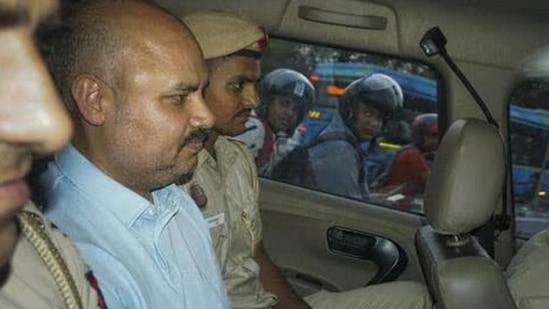
Justice Anoop Kumar Mendiratta rejected Kumar's bail request, stating there was no reason to grant it.
The court said that since Kumar was Kejriwal's designated personal secretary (PS), his influence was not unchecked, and thus the possibility of him influencing witnesses and tampering with the evidence could not be ruled out.
Kumar, currently in judicial custody, is accused of assaulting Maliwal on May 13 at Kejriwal's official residence. He was arrested on May 18.
An FIR was filed against Kumar on May 16, citing various charges under the Indian Penal Code, including criminal intimidation, assault with intent to disrobe a woman, and attempted culpable homicide.
Kumar requested bail, arguing that the allegations were false and that his custody was unnecessary since the investigation was complete.
On Monday, the Delhi Police opposed the plea in the Delhi HC, arguing that solid evidence and other circumstances supported the legitimacy of the arrest. Senior advocate Sanjay Jain, representing Delhi Police, stated that all legal procedures were followed during Kumar's arrest. This included providing an arrest memo, explaining the reasons for the arrest, and informing Kumar's wife.
{{/usCountry}}On Monday, the Delhi Police opposed the plea in the Delhi HC, arguing that solid evidence and other circumstances supported the legitimacy of the arrest. Senior advocate Sanjay Jain, representing Delhi Police, stated that all legal procedures were followed during Kumar's arrest. This included providing an arrest memo, explaining the reasons for the arrest, and informing Kumar's wife.
{{/usCountry}}Denying claims of a "hasty" arrest, Jain argued that Kumar was arrested on May 18, after the investigating officer visited the incident site on May 17, confirmed Kumar's presence there, reviewed video recordings leaked to the media, and found that his mobile phones had been wiped.
Kumar's petition to the high court argued that his arrest was rushed, violated his rights, and did not follow Section 41A of the CrPC. This section requires police to issue a notice to the accused before arresting them without a warrant, as established in the Supreme Court's guidelines in the Arnesh Kumar v State of Bihar case to prevent unnecessary arrests. The petition emphasized that he was arrested while certain legal matters, including a request for compliance with Section 41A and an anticipatory bail application, were still pending. Additionally, his complaint from May 17 was ignored.
Kumar also asked for compensation for what he claims was his illegal arrest and called for disciplinary action against the officials responsible for arresting him.