Congress leader Rahul Gandhi on Wednesday said the Tata Group is being “criminally destroyed” and that no business leader dares to say a word, questioning how long they will remain silent.
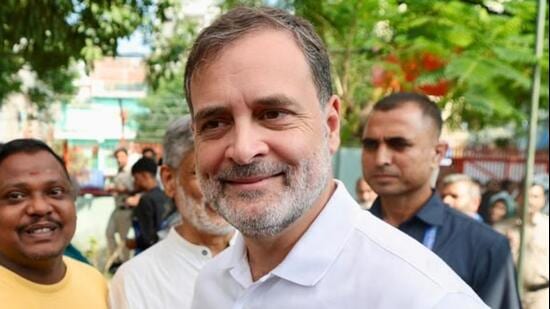
“Tata is being criminally destroyed, and no business leader dares say a word. How long will you stay silent? Until they own you? Indian business is not Modi and Shah’s plaything. You lack courage. We don’t. We will ensure justice for these crimes,” he said in a post on X.
Also Read | Traders body raise concerns over Rahul Gandhi's Ramlila Maidan rally on Nov 1; cite traffic, parking issues
There was no immediate response from the Bharatiya Janata Party (BJP) or Tata Group. The copy will be updated when they respond.
Gandhi’s post came amid a power struggle between the holding company Tata Sons and the controlling shareholder, Tata Trusts, of one of the country’s oldest conglomerates.
Tata Trusts chairperson Noel Tata opposed the September 17 resolution to reappoint N Chandrasekaran as the executive chairman of Tata Sons for a further term of five years upon the expiry of his current term. He argued that the board used a different constitutional route from the one followed when Chandrasekaran was reappointed in 2022.
{{/usCountry}}Tata Trusts chairperson Noel Tata opposed the September 17 resolution to reappoint N Chandrasekaran as the executive chairman of Tata Sons for a further term of five years upon the expiry of his current term. He argued that the board used a different constitutional route from the one followed when Chandrasekaran was reappointed in 2022.
{{/usCountry}}Also Read | Noel Tata files caveat in Bombay HC amid Sir Dorabji Tata Trust governance row: Report
The Trusts contend that the affirmative support of a majority of their nominee directors was a condition for a valid resolution and that a chairman’s casting vote could not overcome the failure to meet that condition.
Tata Sons has relied on a different reading of Articles 104B, 118 and 121 of the company’s Articles of Association (AoA), including the provision for a casting vote in case of equality of votes. Legal opinions the two sides obtained have taken divergent views on whether Article 118 applies to the reappointment of an incumbent chairman and on the operation of the casting vote.