The union ministry of health on Wednesday set up a four-member technical committee to investigate allegations that an Indian firm used contaminated raw materials to manufacture four cough syrups leading to the deaths of 66 children in The Gambia. Dr YK Gupta, vice chairperson, standing national committee on medicines, who has been appointed the chair of the committee, spoke to HT on the role that it will play in taking the investigation forward, and on how a central database of
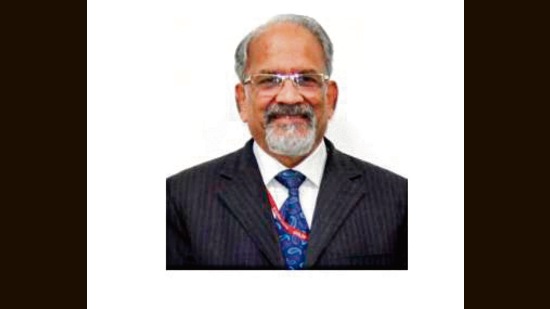
The union ministry of health on Wednesday set up a four-member technical committee to investigate allegations that an Indian firm used contaminated raw materials to manufacture four cough syrups leading to the deaths of 66 children in The Gambia. Dr YK Gupta, vice chairperson, standing national committee on medicines, who has been appointed the chair of the committee, spoke to HT on the role that it will play in taking the investigation forward, and on how a central database of violations by drug companies may be one solution.
What is the committee mandated to do?
The way we understand the current situation, the job of the members is going to be to establish causality-- by which I mean that the deaths of 66 children that happened in The Gambia were due to taking the cough syrups manufactured by the Indian firm in question.
How is your investigation going to be different from what the central and state drugs regulators in India are already doing?
There are two different aspects of investigation in this case: one is the regulatory aspect and the other is causality assessment. Whether the company was complying with the regulations under the law while manufacturing medicines or not, which includes following good manufacturing practices etc. is the job of the regulators to find out, for which they will visit the manufacturing plant, lift samples etc. Since our job will be to establish causality, we will be going through the death audit data to examine what really caused the deaths as many factors could have contributed toward it and may not be just the said medicines. That aside, there should be no leniency for presence of impurities beyond permissible limits in medicines.
How critical is the data that India has asked for from the World Health Organisation on Gambia?
To analyse the data that WHO sends will be crucial in assessing the cause of deaths. The certificate of analysis and the exact one-to-one causal relation of deaths are the key to determining actual cause of death. While acute kidney injury is the known side effect of both the chemicals that were found in the syrups, there could also be something else that the children might have taken with it that may have led to the deaths. We need to look at all possible angles, and it is akin to a pharmacovigilance exercise; it is crucial that we have all reports at our disposal.
Will you be consulting more experts during the course of investigation?
That possibility is always open as we have been given an option of co-opting any other technical experts by the government. As per the current requirement, as we are dealing with deaths of children, there may be a need to consult paediatricians for their expert opinion. However, it is too early to say right now how we progress in our analysis.
What are the problem areas in drugs regulation and what quick solution can you think of for it?
It is too vast a subject but one thing that we need to work on is better co-ordination between the central and state regulatory authorities. The state licensing authorities are working individually; therefore there is not a proper way to flag sub-standard drugs across the country. There needs to be an effective mechanism in place for all to know if a state regulator has flagged a product. The government is working on a central database, which is required very much.
One Subscription.
Get 360° coverage—from daily headlines
to 100 year archives.
Archives
HT App & Website