E-Paper



Justices RD Dhanuka, SV Gangapur to be new CJs of Bombay, Madras high courts
With justice Gangapurwala’s appointment, doors also opened for the appointment of the next most senior judge of Bombay HC, RD Dhanuka, as CJ of the same HC.

 Prefer HTon Google


A day after Madras high court acting chief justice T Raja retired, effectively rendering the collegium’s recommendation to transfer him to another high court nugatory, the Union government on Friday evening cleared justice SV Gangapurwala as the new chief justice of Madras high court.
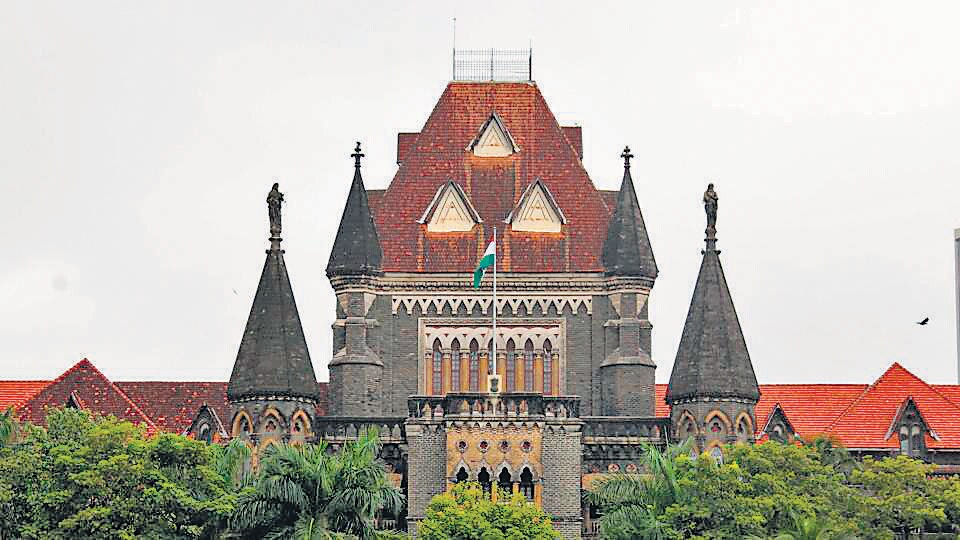
With justice Gangapurwala’s appointment, doors were also opened for the appointment of the next most senior judge of Bombay high court judge, RD Dhanuka, as the chief justice of the same high court. Justice Dhanuka, who retires on May 30, will have a tenure of four days as the chief justice if he is sworn in on Saturday. Justice Raja retired on May 24.
The collegium, comprising Chief Justice of India Dhananjaya Y Chandrachud, and justices Sanjay Kishan Kaul, KM Joseph, Ajay Rastogi and MR Shah (since retired), had on April 19 made the recommendations for the appointments of the two Bombay high court judges as chief justices.
Read: Collegium recommends two names for SC judges
HT had on April 25 reported how justice Raja holds the key to a spate of collegium’s recommendations. With justice Raja sitting tight in the Madras high court even though the collegium first proposed his transfer on November 16, 2022, the judges’ selection body in the Supreme Court found itself constrained to keep going back to the drawing board, permutate and review its recommendations in the last six months.
On April 19, the collegium had also recalled its almost seven-month-old recommendation to transfer Orissa high court chief justice S Muralidhar as chief justice of the Madras high court, citing an inordinate delay and no response from the Centre.
In his place, the collegium sent a fresh proposal for appointment of Bombay high court judge Gangapurwala as Madras high court chief justice. The collegium emphasised that the Madras high court has been functioning without a full-time chief justice for more than six months.
Coupled with the recommendation to transfer Bombay high court’s acting chief justice Gangapurwala, the collegium proposed the appointment of justice Dhanuka as chief justice of the same high court.
At the same time, through a separate resolution, the collegium urged the Centre to transfer justice Raja to the Rajasthan high court at the earliest since his request for a reconsideration stood rejected on November 24. But to no avail.
As reported by HT on April 25, the Centre’s unwavering aversion to transfer justice Raja out of Madras high court kept the recommendations to appoint full-time chief justices for Madras high court and Bombay high court in limbo. While justice Gangapurwala could not be appointed as the chief justice of Madras high court since he was junior to justice Raja, justice Dhanuka could not become chief justice of the Bombay high court until justice Gangapurwala was transferred to Madras high court.
Finally, justice Raja’s retirement paved the way for two high courts in the country to get full-time chief justices after several months. While Madras high court did not have a full-time chief justice since September 13, Bombay high court did not have one since December 12 after justice Dipankar Datta was elevated to Supreme Court.
Justice Dhanuka’s four-day tenure as the chief justice closely follows another short tenure where the collegium was yet again compelled to reforge its recommendations in the wake of the government’s reluctance. Justice Jaswant Singh barely made it to the coveted office of chief justice, albeit for just 10 days.
Justice Singh was supposed to become the chief justice of the Orissa high court after the transfer of justice Muralidhar, according to the September 2022 recommendation by the collegium. However, after the government did not process justice Muralidhar’s transfer — while justice Raja continued in Madras — the collegium revised its recommendation in January and made a fresh proposal to transfer justice Singh to the Tripura high court in view of his retirement clock; he retired in February.