
 E-Paper



US tariffs impact: What will get expensive after Trump's 50% move and who will pay?
The newly announced US tariffs of 50 per cent are in addition to existing standard import duty in the US.

 Prefer HTon Google


The first tranche of 25 per cent tariffs announced by United States President Donald Trump came into effect on Thursday, August 7. This will double by August 27, when the additional 25 per cent tariffs announced by Trump, as a penalty for purchasing oil from Russia, also come into effect, making the total US tariffs on India a whopping 50 per cent.
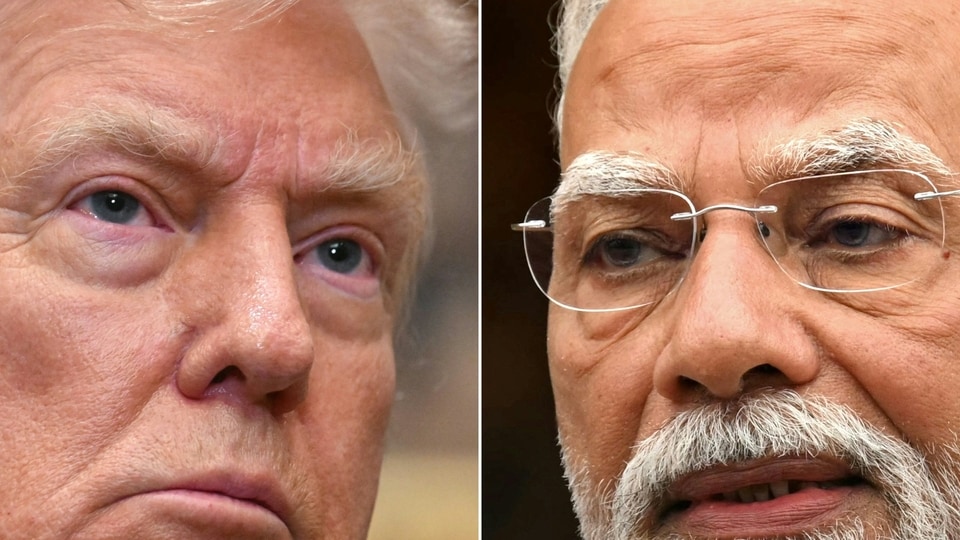
With the imposition of 50 per cent tariffs on Indian exports to the US, sectors such as leather, chemicals, footwear, gems and jewellery, textiles and shrimp are among those which will be severely affected, reported PTI, citing industry experts.
Also read: ‘India is ready for it’: PM Narendra Modi after Donald Trump tariff hit, backs farmers' interest
Due to such high tariffs, the Indian goods in the US will become much more expensive, which would lead to a nearly half-slash in US exports, according to the think tank GTRI.
“The tariffs are expected to make Indian goods far costlier in the US, with potential to cut US-bound exports by 40–50 per cent," GTRI said.
Which sectors will be severely affected?
The newly announced 50 per cent US tariffs are in addition to the existing standard import duty in the US.
According to GTRI, some Indian products that will now face high US export duties include:
- Organic chemicals - 54% total duty
- Carpets - 52.9%
- Knitted clothes - 63.9%
- Woven clothes - 60.3%
- Textiles, made ups - 59%
- Diamonds, gold - 52.1%
- Machinery and mechanical appliances - 51.3%
- Furniture, bedding, mattresses – 52.3%
In the last fiscal year, India and the US had a bilateral trade of $131.8 billion, of which $86.5 billion were in exports and $45.3 billion in imports, the PTI report said.
Also read: How Trump tariffs could impact India's oil purchase from Russia: Explained
Among the sectors which are likely to bear the brunt of the high 50% tariffs are:
- Textiles/ clothing ($10.3 billion)
- Gems and jewellery ($12 billion)
- Shrimp ($2.24 billion)
- Leather and footwear ($1.18 billion)
- Chemicals ($2.34 billion)
- Electrical and mechanical machinery (about $9 billion).
What experts say
According to Yogesh Gupta, MD of Kolkata-based seafood exporter Megaa Moda, the new tariffs will significantly increase the prices of India’s shrimp in the US market.
"We are already facing huge competition from Ecuador as it has only 15 per cent tariff. Indian shrimp already attracts a 2.49 per cent anti-dumping duty and a 5.77 per cent countervailing duty. After this 25 per cent, the duty will be 33.26 per cent from August 7," PTI quoted him as saying.
The Confederation of Indian Textile Industry (CITI) also expressed concern about the impacts of 50% US tariffs on Indian textiles exporters, as it is one of India's largest markets for exports in this sector.
"The US tariff announcement of August 6 is a huge setback for India's textile and apparel exporters as it has further complicated the challenging situation we were already grappling with and will significantly weaken our ability to compete effectively vis-à-vis many other countries for a larger share of the US market," it said.
According to Kama Jewelry’s MD Colin Shah, the tariffs will come as a big blow directly to about 55% of India’s shipments to the US. He said that the 50% tariff puts Indian exporters at a 30–35% disadvantage compared to exporters from other countries who face lower duties.
"Many export orders have already been put on hold as buyers reassess sourcing decisions in light of higher landed costs. For a large number of MSME-led sectors, absorbing this sudden cost escalation is simply not viable. Margins are already thin, and this additional blow could force exporters to lose long-standing clients," he said.
(With PTI inputs)


