
 E-Paper



View: Chinese warning to India on the Central Sector is plain double-speak
The reorganisation of Central Command troops is at proposal stage but PLA is fully deployed in Eastern Sector.

 Prefer HTon Google


Sanctimonious statement of Chinese spokesperson on Indian Army proposing to reorganize its Central Command under a new Corps Headquarter to guard 565 kilometres of LAC with Tibet in the Central Sector reeks of Beijing’s double standards as PLA has deployed no less than six combined armed brigades across Sikkim and Arunachal Pradesh in October 2022.
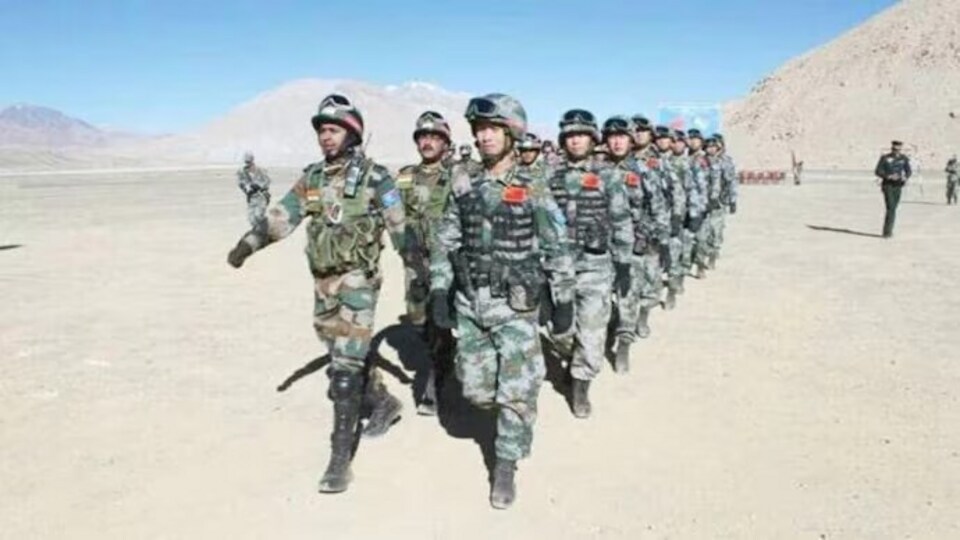
The Chinese spokesperson on Friday hinted at increased border tensions if India deployed more troops in the Central sector and that the PLA was committed to de-escalating in the border areas. Both countries have had 21 rounds of military dialogue since the PLA transgressions in East Ladakh in May 2020 but even the first step of disengagement is not complete in Depsang Plains and Charding Nullah Junction in Demchok area.
ALSO READ: View: Unsettled LAC is Xi's pressure point on India to stay away from West
India is clear that it wants the PLA to disengage, relocate its forces back to barracks and then de-escalate the border areas situation. Presently the PLA has deployed some 50,000 troops apart from heavy combined armed brigades as reserve across the LAC in East Ladakh and is involved in military upgradation all along the 3488 km LAC up to Kibuthoo in Arunachal Pradesh.
Despite media stories appearing on India strengthening its Central Sector with more troops, the plan is merely at the proposal stage. Fact is that the Indian Army is planning to reduce manpower by one lakh personnel to reduce the teeth to tail ratio. In the central sector, China is contesting the Barahoti plains and Palam Sumda area and deliberately sends PLA troops to mark their presence.
While India Army is prepared to meet the PLA aggression all along the LAC, it has no intentions to unilaterally expand the dispute in the Central Sector.
The proposal to set-up new Dehradun based 18 Corps is to reorganize the formations in what is now called Uttar Bharat area without accretion of forces for better response to any contingency in Central Sector, given its proximity to the Capital.
India needs to be prepared for PLA aggression as China unilaterally launched military aggression in East Ladakh against India in May 2020 under the cover of the coronavirus epidemic, which had its origins in Wuhan in China. The basic objective of the May 2020 aggression was to make unilateral cartographic changes on the LAC with the intention of imposing the already rejected 1959 line (proposed by PM Chou En-Lai) in East Ladakh.
While Chinese Foreign spokesperson has apparently warned India on not increasing one battalion worth troops in Central Sector, Beijing has quietly deployed six CABs (each brigade has 5000 troops with accompanying armor and artillery elements) across the Arunachal Pradesh and Sikkim LAC in October 2022, before 20th National Party Congress of the Chinese Communist Party.
Initially, the Indian assessment was that the troops had been moved in eastern sector to quell any internal disturbance in Tibet while Xi Jinping was ‘elected’ as President of China for the third time but this turned out to be false as the CABs are still stationed across key areas including Tawang in Arunachal Pradesh and Siliguri corridor in the Sikkim sector.
The self-righteous statement of the Chinese spokesperson reflects the bullying attitude of the Middle kingdom towards what it presumes to be tributary states like Pakistan or Maldives. It also reeks of typical Chinese double-speak as the PLA is fully deployed all along the LAC on ground with rocket regiments, artillery guns and fighter aircrafts in the hinterland. The Chinese warning is just to pressurize India to accept the present status quo and move towards normalizing relations with Beijing. This situation is unacceptable to the Narendra Modi government.


