
 E-Paper



We will come up with new regulation to tackle deepfakes: IT minister
The new regulation, irrespective of its form, will undergo a public consultation, minister Vaishnaw said

 Prefer HTon Google


New Delhi: The electronics and information technology ministry will release a “clear, actionable plan” to tackle deepfakes and misinformation in the next 10 days, Union minister Ashwini Vaishnaw said on Thursday after meeting social media companies, AI companies, industry body and res NASSCOMearchers. The government will also start drafting a new regulation to deal with deepfakes.
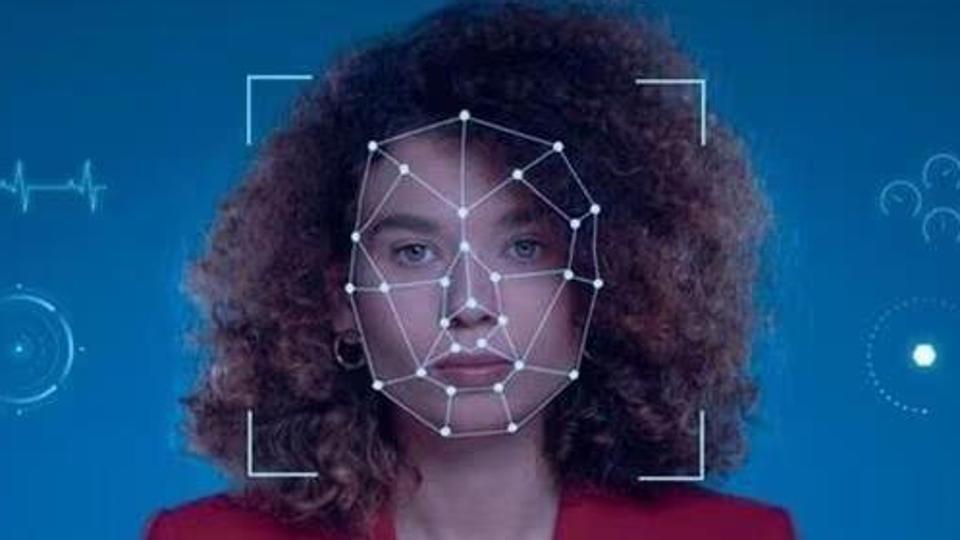
The plan will have four pillars: detection of deepfakes and deep misinformation, prevention of detected deepfakes and misinformation by removing or reducing their vitality, strengthen the reporting mechanisms, and awareness.
The meeting highlighted the need for a new regulation, Vaishnaw said.
The new regulation, irrespective of its form, will undergo a public consultation, he said.
The new legislation could be released through a new act, new rules or amendment to existing rules, Vaishnaw said, adding that all social media companies agreed that labelling and watermarking of deepfakes were necessary.
Ever since a fake video of Telugu actor Rashmika Mandanna went viral earlier this year, the government has been very vocal about tackling deepfakes. The IT ministry had sent two letters to all social media platforms reminding them of their responsibility to weed out misinformation and deepfakes as mandated by Indian law, HT had reported earlier.
Also Read: IT Ministry summons social media companies over deepfakes
Last week, Prime Minister Narendra Modi expressed concern over misuse of technology and artificial intelligence (AI) to create deepfakes and said the media can play a role in raising awareness. He reiterated these concerns at the opening of the virtual summit of G20 nations on Wednesday.
“The world is worried about the negative effects of AI. India thinks that we have to work together on the global regulations for AI. Understanding how dangerous deepfake is for society and individuals, we need to work forward. We want AI should reach the people, it must be safe for society,” Modi said.
“Most important is that the immunity which the platforms have, the globally accepted safe harbour provision, that will not be applicable if the platforms do not make adequate efforts [to control deepfakes],” Vaishnaw had said last week. To be sure, only courts can determine if an intermediary can lose its safe harbour protection and subsequently hold it liable for third-party content.
In an advisory issued in February, the ministry had also asked social media platforms to “put in place appropriate technology and processes for identifying information that may violate the provisions of rules and regulations or user agreement”.


