Wholesale inflation surged to 12.3% in October, its highest level in the current series, days after retail inflation breached the Reserve Bank of India’s upper tolerance limit of 6%. The rise in wholesale prices, driven largely by fuel and power, adds to inflationary pressures in the economy and is likely to strengthen expectations of an interest rate hike by the RBI’s Monetary Policy Committee (MPC) when it meets early next month.
To be sure, some of the increase in wholesale inflation could ease if crude oil prices sustain their current levels over the coming month.
Wholesale inflation, measured by the Wholesale Price Index (WPI), rose to 12.3% in October from 11.4% in September, according to data released by the Ministry of Commerce and Industry on Monday. This is the highest monthly WPI inflation reading in the current series, which has data from April 2024 onwards. Based on spliced WPI data available in the Centre for Monitoring Indian Economy (CMIE) database, October’s inflation is the highest in 49 months.
Deep Dive
Why did wholesale inflation rise to 12.3% in October?
How did fuel and power prices affect October WPI inflation?
Could lower crude oil prices ease wholesale inflation or affect an RBI rate hike?
Also Read: Inflation tops RBI’s 6% ceiling, raises December rate hike prospects
October was the sixth consecutive month in which WPI inflation registered double-digit growth if one were to round off decimal place readings. Some of the recent rise in wholesale inflation, however, reflects an adverse base effect, as the WPI contracted between May and November 2025.
{{/usCountry}}October was the sixth consecutive month in which WPI inflation registered double-digit growth if one were to round off decimal place readings. Some of the recent rise in wholesale inflation, however, reflects an adverse base effect, as the WPI contracted between May and November 2025.
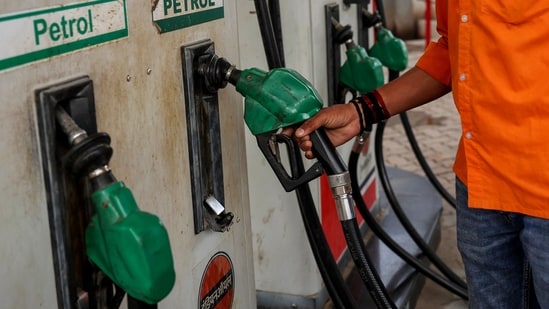
{{/usCountry}}Among the three broad WPI groups, fuel and power recorded the sharpest increase, with inflation rising to 32.8% in October from 25.9% in September. Within this category, crude petroleum and natural gas recorded the highest inflation at 70.8%, compared with 57.3% in the previous month. This was the highest reading for the category in the new series, which uses 2022-23 as the base year and has inflation data available from April 2024.
Inflation in mineral oils also increased, to 45.6% in October from 40% in September. Coal and electricity recorded inflation of 10.5% and 8.1%, respectively, compared with 9.3% and a contraction of 0.4% in September.
Inflation in the primary articles category rose to 9.2% in October from 8.7% in September. Within this category, inflation was higher in non-food articles, at 11.7%, than in food articles, at 8.3%.
Also Read: Food inflation bites, Centre expected to turn to old playbook to cool prices
Manufactured products were the only broad category to record a moderation in inflation. The rate stood at 9.5% in October, marginally lower than the 9.8% in September.
WPI food index, consisting of food articles and manufacture of food products from the primary articles and manufactured products broad categories, recorded an inflation of 8.6% in October, marginally lower than the 8.7% in September.
Data on the Output Producer Price Index (PPI), released alongside WPI data, shows similar a trend. Output PPI, which measures prices received by producers after excluding net taxes and trade and transport margins, registered 12.1% inflation in October, up from 11.4% in September.
“Looking ahead, the inflation outlook remains vulnerable to weather-related and geopolitical risks, although the recent moderation in crude oil prices after the US midterm elections is encouraging. The narrowing spread of India’s crude basket and spot Brent prices over Brent futures also signals easing tightness in the physical crude market. That said, the risk of renewed conflict still remains elevated at least until the new Congress convenes in January 2027.” said Rajani Sinha, chief economist at CareEdge Ratings.