With the Ghaggar in spate in neighbouring Punjab, wary farmers in Haryana’s Sirsa district whose agricultural land is located near the river have started ‘thikri pehra’ or night vigil to safeguard the embankments from any possible breach and stop the water from entering their fields.
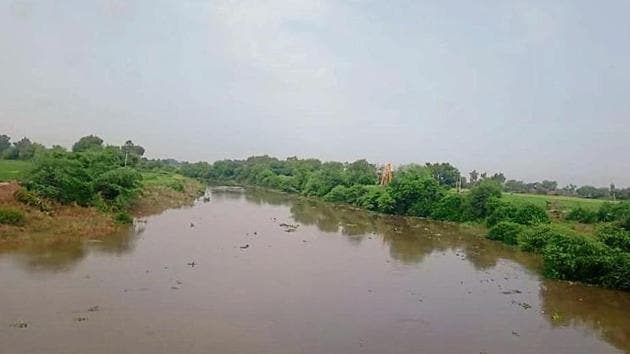
Those keeping a watch on the flow of the river carry soil in their tractors and dump it on the embankments to strengthen them besides keeping sandbags ready to deal with any urgent situation.
Nearly 4,650 cusecs water was recorded in the river at Otto near Rania town.
In 2010, the river played havoc in the district, submerging more than 32,000 acres of agriculture land. Bani village was the worst-hit. In the past, the district witnessed flood-like situation in 1988, 1993 and 1995.
Recently, the district administration had asked the farmers to keep an eye on the river’s water level and to start ‘thikri pehra’ to ensure the situation does not go out of hand in a flood-like situation.
Gurjant Singh, a farmer of Farwai Kalan village, said, “More than 100 villages are located near the river. Many farmers are totally dependent on its water for irrigation but the condition of the river embankments is bad, which could lead to a flood-like situation.”
Sandeep Kumar, a farmer of Burjkaramgarh village, said, “Almost everyone from the district is aware of the 2010 flood. The river then played havoc as water from was released into it at different places. We have urged the farmers staying near the river to strengthen its embankments to avoid any breach.”
{{/usCountry}}Sandeep Kumar, a farmer of Burjkaramgarh village, said, “Almost everyone from the district is aware of the 2010 flood. The river then played havoc as water from was released into it at different places. We have urged the farmers staying near the river to strengthen its embankments to avoid any breach.”
{{/usCountry}}Navdeep Singh, a farmer of Budhabana village, said, “The Ghaggar is the lifeline of farmers as those living near the river are dependent on its waters for irrigation. But the main problem is rats. During the paddy and wheat crop seasons, rats make holes on the embankments to reach the fields for feeding and breeding. These holes weaken the embankments. We have even asked the local administration for a proper solution of the problem, but they have not done anything in this regard yet.”