
 E-Paper



Glowing with possibilities: Swetha Sivakumar decodes phosphorus

 Prefer HTon Google


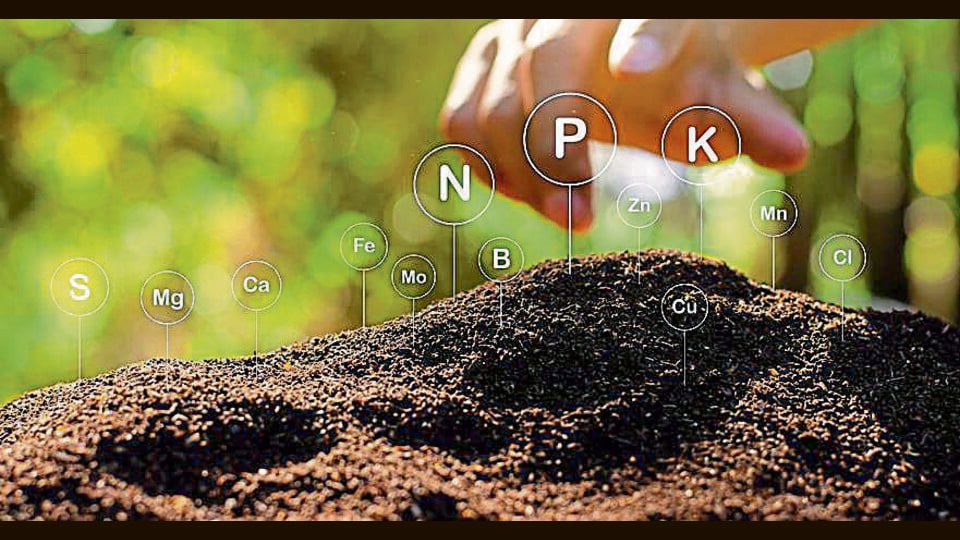
The element has been both a life-giver and a destroyer, with white phosphorus bombs killing thousands. How did it get here? Take a look.
It was Hennig Brand who first synthesised phosphorus in its elemental form. He was aiming… for gold.
This was in the 1600s, a period when men of science around the world believed there was an element out there that could turn base metals into gold: the so-called philosopher’s stone.
Brand, a German alchemist living in Hamburg, became convinced that urine held the key to such transformation. He collected and fermented barrels of it, boiled it for days, and eventually produced a black sludge. Further heating yielded waxy, glowing nuggets that were named phosphorus, Greek for “bringer of light”.
In an era of pseudo-science, partial knowledge and quack-driven medicine, the eerie luminescence of phosphorus drew interest. The compound began to be marketed as a “miracle cure” for maladies ranging from melancholia to impotence and toothache.
Its volatile nature also earned it a nickname. Prone to spontaneously combust in warm temperatures and produce a dense and toxic smoke, it was called “the devil’s element”.
It has served, in this capacity, on numerous battlefields, where it has been used to ignite fires or create smokescreens. During World War 2, white phosphorus bombs sparked firestorms that destroyed entire neighbhourhoods. In one such firestorm, 37,000 people died in Hamburg, in 1943.
Rather ironically, phosphorus is also a literal giver of life.
In the natural world, it exists largely in the form of phosphate, a chemical that is four parts oxygen and one part phosphorus (and therefore far more stable). Large stores of it lie trapped in Earth’s mantle, and have leaked onto the surface via volcanic activity, particularly in the early years, as the planet cooled.
Over time, the weathering of volcanic rock released the mineral into the environment. It plays a crucial role in photosynthesis in plants, and is a key component of DNA, bones and teeth in animals.Since every cell requires this compound, life could not begin until it had started to circulate.
The availability of phosphate still controls the expansion of life on Earth. Isaac Asimov called it “life’s bottleneck”.
For thousands of years, for instance, farmers knew they needed to allow land to lie fallow and replenish or crops would fail, though they didn’t know exactly why. Through trial and error, they discovered that human and animal manure helped plants thrive. But again, they didn’t know why.
Part of the answer is phosphorus. Human waste is rich in it; so are eggshells, and decaying organic matter. As the human population boomed, such fertiliser became crucial. But even so, there wasn’t enough phosphorus to go around. Meanwhile, failed or even faltering crop cycles carried the risk of widespread famine. Soil depletion became an urgent problem.
***
At around this time, in the early 1800s, geographer and naturalist Alexander von Humboldt discovered guano. Among the civilisations of South America, this mix of bird droppings, bones and eggshells had been used to help crops grow for centuries.
The Inca collected large quantities on remote islands, where it was generated by large populations of large birds such as the pelican and cormorant. They mixed the guano into the soil, and farms flourished.
When Europeans saw the effects, they began to collect up massive quantities of guano and ship it back home. Within 50 years, by the late 1800s, the delicate ecosystems of the remote islands had been impacted by this activity, bird populations had fallen, and guano supply was dwindling.
This would spark a search for alternative fertilisers that would shape modern agriculture, and continues to shape our world.
In Germany, pioneering organic chemist Justus von Liebig made a breakthrough when he burnt plants to analyse their composition and finally identified the three elements essential to crops: phosphorus, potassium and nitrogen. Potassium was abundant and easily mined from salt. Nitrogen was abundant in the atmosphere but would need to be synthesised (by 1913, chemists would figure out how). Phosphorus remained a concern.
But now the world knew what to look for, it turned out, it wasn’t that hard to find — even if it was gruelling to extract. By the 1850s, the mining of phosphate had begun. Mines remain the largest source of phosphate for crop fertilisers.
The largest known deposits are in North Africa, with Morocco alone holding about 70% of global reserves. China, the Middle East, and the US hold vast reserves too. The fertiliser industry claims enough reserves have been identified to last 300 to 400 years. It is unclear how optimistic that estimate is.
Meanwhile, in the present, fertiliser run-off poses a problem of its own. It is releasing millions of years’ worth of phosphate deposits into lakes and rivers. This is causing blooms of toxic algae; creating, ironically, vast oxygen-deficient dead zones in which other forms of aquatic life struggle to survive. The algae poisons the water for humans too; it cannot be consumed.
The saga looks set to continue, perhaps off-planet. In 2023, scientists identified deposits of phosphorus in the ice on Enceladus, one of Saturn’s moons. It’s anyone’s guess how far we’ll go to get our fix.
(To reach Swetha Sivakumar with questions or feedback, email upgrademyfood@gmail.com)


