Lit by the incandescent glow of opulent Belgian crystal chandeliers; ornate gilded mirrors reflect rooms filled with antique furniture in dark maple, rosewood and Burma teak; rich textiles; family photographs and portraits; long tables laden with custom made fine porcelain from Macau, Japan and China in the distinctive Figueiredo family colours of orange and gold; an upright piano in one corner; an entire set of silverware gifted by King João the V of Portugal in 1740; ornamental objets d’art with
Lit by the incandescent glow of opulent Belgian crystal chandeliers; ornate gilded mirrors reflect rooms filled with antique furniture in dark maple, rosewood and Burma teak; rich textiles; family photographs and portraits; long tables laden with custom made fine porcelain from Macau, Japan and China in the distinctive Figueiredo family colours of orange and gold; an upright piano in one corner; an entire set of silverware gifted by King João the V of Portugal in 1740; ornamental objets d’art with touches of ebony, ivory, mother of pearl, gold filigree, jade, turtle shell and lapis lazuli; elaborate escarradores or tobacco spittoons; intricate cabinets from Indonesia and Malaysia and other accumulations of lives lived over 450 years.
The mirrors at Figueiredo Mansion look out over a world that is at once familiar, that seems to have always been there, and at once different.
Located in Loutolim, a languid village by the Zuari river in the Salcete taluka of South Goa district of the state of Goa in India, the aristocratic home of the massive land holding Figueiredo family is a mansion built over generations, taking shape over centuries.
At the time it was built in the early 16th century, it was located in a different country altogether – that of Portuguese India. The dual wings of the home are understandably different from each other with one being built 430 years ago and the other – 230 years ago. A hybrid mix of influences, the mansion holds many dualities within, glimpses of which can be seen throughout its many rooms. Leather embossed high backed Portuguese chairs and Church chairs from the period of King José I sit side by side with chairs encarved with motifs from Hindu mythology – snakes, winged creatures, lotus flowers…
A symbol of stature and wealth, the house is now a museum and inn, run by Figueiredo family descendants Maria de Fatima Figueiredo de Albuquerque (Fatima:1950) and her son Pedro Figueiredo de Albuquerque de Oliveira Novais (Pedro:1992)…
Fatima’s daughter Catarina Figueiredo de Albuquerque de Oliveira Novais (1989) studied in Portugal and America, lived in Rome, London and Madrid and currently works for a multinational in Lisbon as an economist. Though she loves to travel and her work takes her all over the world, the pull of family ties brings her home to Goa from time to time.
“Manuel Joao Figueiredo built this house in 1590. The family was from Sancoale, near the airport, but we had to leave Sancoale at that time due to a plague. The family split into two. Half the family went to Shiroda and remained as Hindus, keeping our original family name - Podiars. The other half came to Loutolim as we were one of the biggest landlords in South Goa, with income coming from growing rice, mangoes, coconuts and mines that we used to own at the time. The family embraced Christianity a short while after moving here and from the Podiars of Sancoale we became the Figueiredos of Loutolim,” says Pedro…
Born in Lisbon, the former student of design has become something of a historian since moving back to Goa a few years ago, reclaiming his Goan identity in the process of learning more about his home and ancestors...
Born in the Figueiredo House in Loutolim, Fatima lived in Mozambique, Brazil and Portugal, travelling all over the world especially with her job as Creative Director at Estée Lauder, Portugal. The call of Goa where her mother eventually lived, was too compelling however, and the multi-lingual (she speaks Konkani, English, Portuguese, Spanish, French and Italian), cosmopolitan, independent current matriarch of the family returned to live in the home of her childhood... the centre that holds it all together… the Figueiredo Mansion…
The land the home is built on changed from Estado Português to India, fortunes were made and lost, identities morphed and adapted, an entire way of life changed and House Number 376/377 stood still... in Goa.
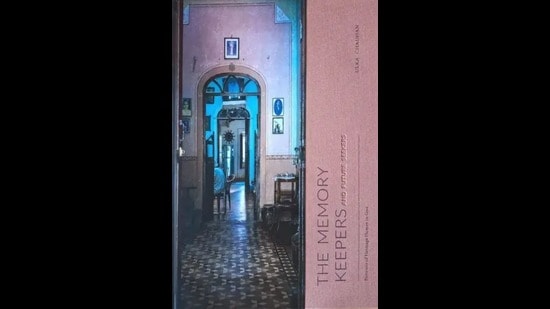
(Excerpted with permission from The Memory Keepers and Future Seekers: Portraits of Heritage Homes in Goa, self-published by photographer Ulka Chauhan and writer Samira Sheth; 2024)
One Subscription.
Get 360° coverage—from daily headlines
to 100 year archives.
Archives
HT App & Website