
 E-Paper



Your guide to wise, waste-free weddings

 Prefer HTon Google


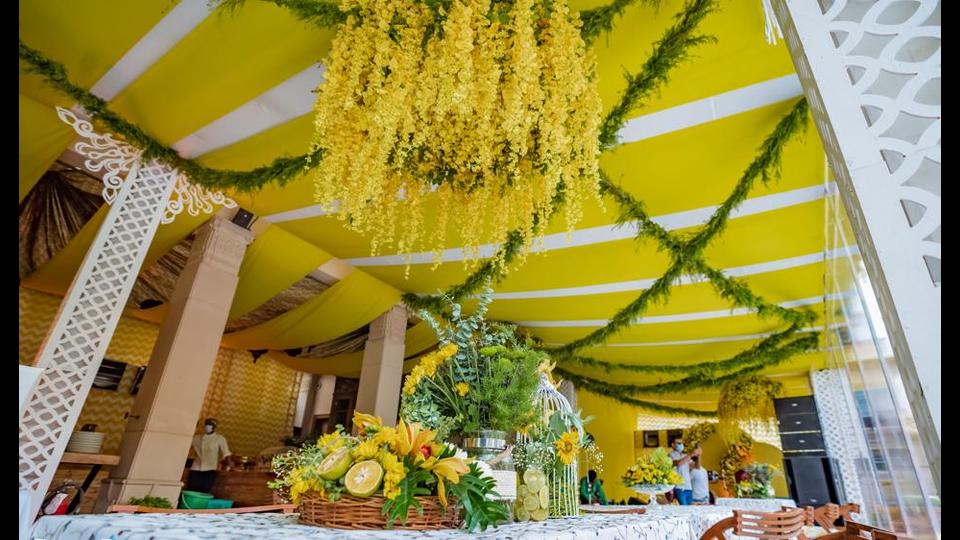
From e-vites or plantable physical invites and gifting saplings as party favours to using reusable decor or working with local artisans to support the community, wedding experts decode eco-friendly ways to go about a sustainable wedding
It has been a year since the big fat Indian wedding trimmed down and became an intimate affair, amid the pandemic. And now, along with small-scale weddings, couples are opting for sustainable ideas as well to reduce the impact on the environment. From e-vites or plantable physical invites and gifting saplings as party favours to using reusable decor or working with local artisans to support the community, wedding experts decode waste-reducing and eco-friendly ways to go about a sustainable wedding.
Devika Narain, sustainable wedding designer of Devika Narain & Company believes weddings in India have always been a reflection of the times. “While our collective histories have been marked by grandiose weddings, never has the world seen the likes of weddings that are to come. The current pandemic is leading into an era of what I call mindful weddings — a beautiful, eloquent pause to the excesses associated with Indian weddings,” she shares, adding that couples are making a conscious choice to be considerate to the planet. “While earlier no expense was spared, I see brides and grooms asking more thoughtful questions and making decisions of quality over quantity and theatrics,” she says.
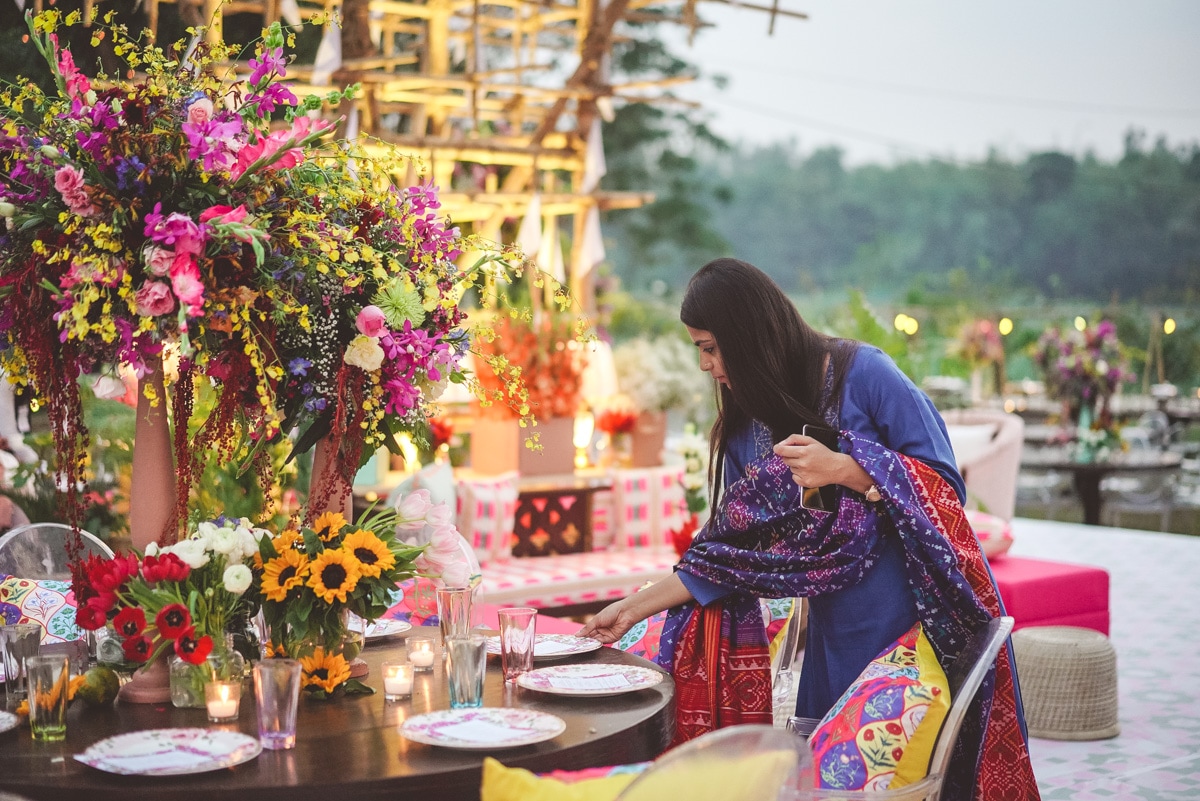
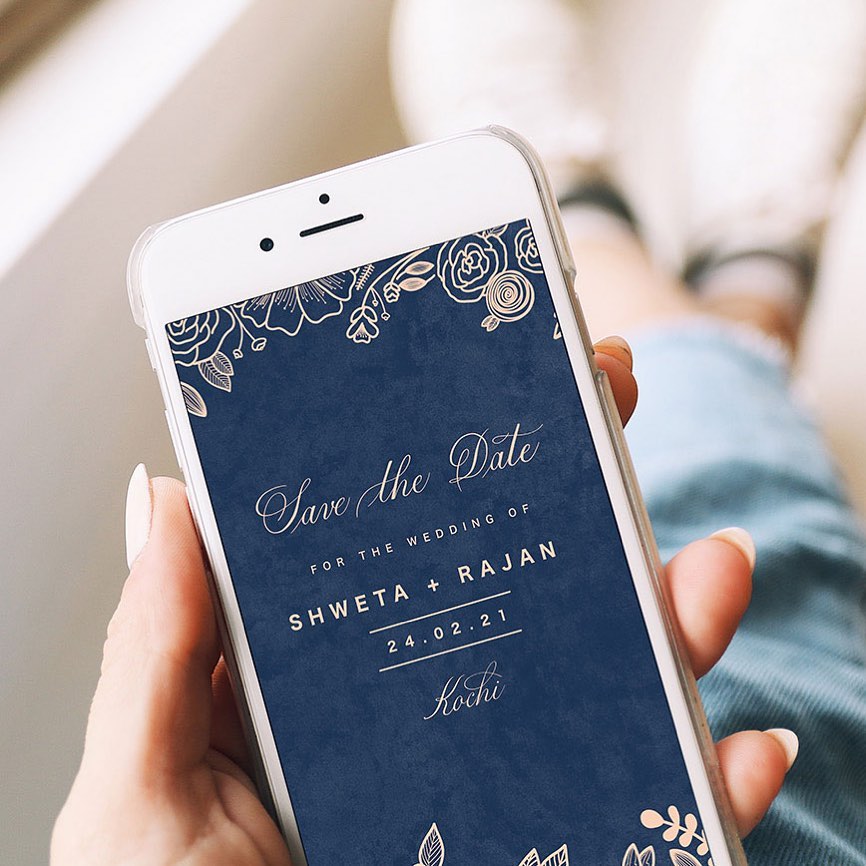
Even small changes can make a big difference, so working to improve the eco-friendliness quotient of weddings is the right call. To begin with, going paperless for wedding invites is a great way to save cost as well as be environmentally-responsible. Wedding invite designer and calligrapher Kriti Basra of Shubhlekh by Kriti says, “I have been getting queries about eco-friendly invites that can be keepsakes. Consider seed papers — basil seed, banana paper, marigold seed paper — that can be planted later. They’ve some limitations with design elements, but it’s a great option considering the planet’s health.”
Meanwhile, Narain suggests brining in local people to help with decision making and working with small businesses to build a better culture around weddings by recycling and repurposing.
Wedding planner Sumit Soni from Mandala Events too, feels that couples are becoming aware of the issues of toxic waste generated and carbon footprint, and want to consider sustainable weddings to not only spread awareness but also to take initiatives and set an example.
As a responsible planner, Soni recommends, “I would suggest that instead of using the usual sweet boxes, go for a customised jute bag — with wedding monogram — filled with dry sweets in paper boxes. One can gift more usable items such as saplings. We encourage our clients to use local and seasonal flowers, which saves them money on expensive imported options and also helps cut down carbon emission by reducing the transportation involved.”
When it comes to weddings amid the current scenario, ‘less is more’ is what millennial couples believe in, says luxury wedding planner Prerana Agarwal Saxena, founder of Theme Weavers Designs.
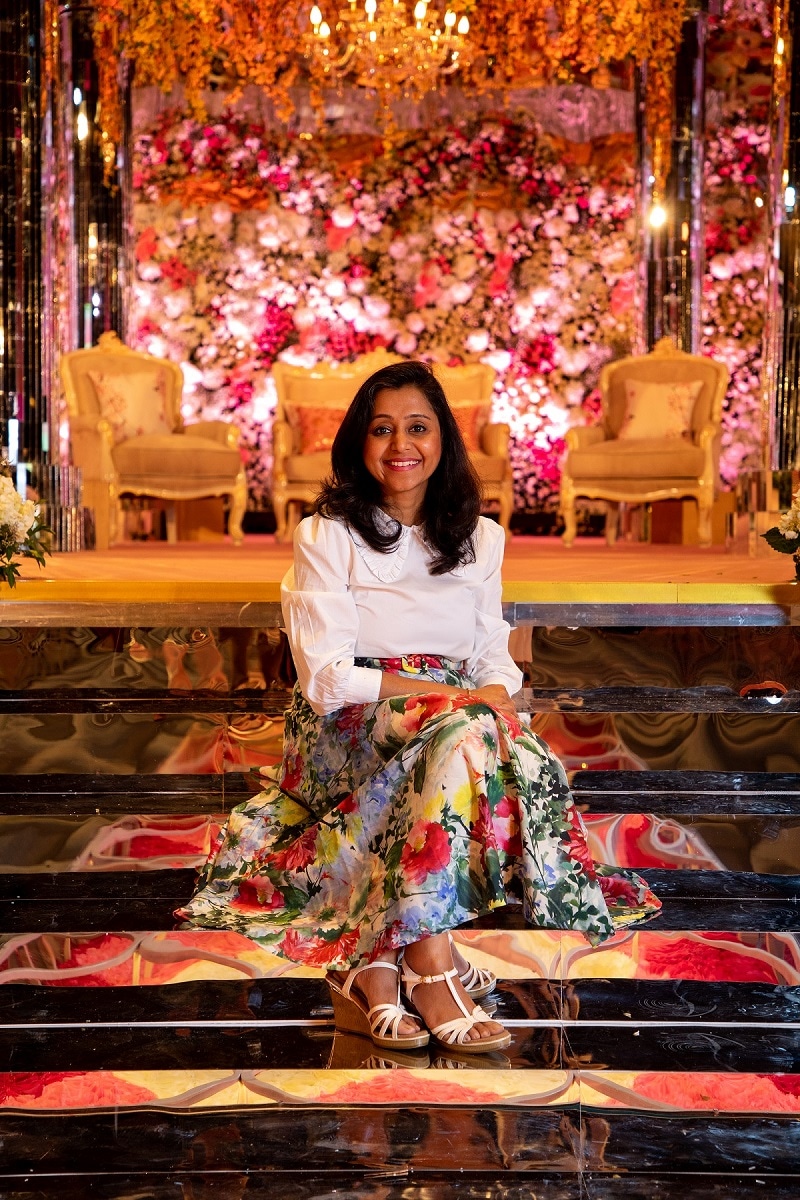
“As couples have become more conscious about their choices, they want venues that have a royal and heritage feel, so that the decor is minimal, thereby cutting down on waste. Other small steps to go eco-friendly are avoiding plastic bottles and going for glass ones instead, not including too many varieties of delicacies on the menu — instead one can go for a sit-down dinner. Moreover, for me, sustainable also means giving opportunities to local craftsmen, artisans and vendors around the destination to generate employment,” Saxena says.
If you, too, are considering a sustainable and waste-free wedding, experts have some more ideas for you: Schedule most events during the day and choose outdoor venues as it will not only reduce electricity consumption but will also enhance the mood of the event. Collaborate with NGOs to take care of leftover food and flowers — these can be donated to the needy and local manufacturers of organic colours, incense, etc. Opt for reusable, handwritten black board signage rather than a digitally printed vinyl board.


