
 E-Paper



Cool boss energy: How young creatives are helping CEOs go viral

 Prefer HTon Google



Want to sound sharp on LinkedIn? Need help with making a brand stand out? These spin doctors are under 30, but are firing up CEO manifestos. See how they do it
In the corporate world, the tables are turning so fast, even AI is confused. Ask an image generator to imagine a branding expert. It’s likely to deliver visuals of a middle-aged man, wearing neon spectacle frames to look cool. In the real world, strategists in their 20s are helping older CEOs build their online personas and stand out on social media.
Age gap? It’s a feature, not a bug. Young people have grown up online, have been shaped by YouTube sidebars, Reddit threads, Instagram captions and viral apology videos. The don’t need a workshop to understand digital storytelling. They’ve learnt by scrolling, posting, cringing and resharing. They roll their eyes over empty mentions of “impact” and “innovation”. And they can sniff out an AI-generated bio from the first sentence.
Where they live doesn’t matter either. Sought-after branding experts now work remotely from Jorhat, Jaipur, Indore — away from the distractions of networking brunches and agency fluff. It’s made them braver, willing to test fast, fail fast, and move on. It’s exactly what CEOs need to show their best side online. See how some strategists are getting it done.
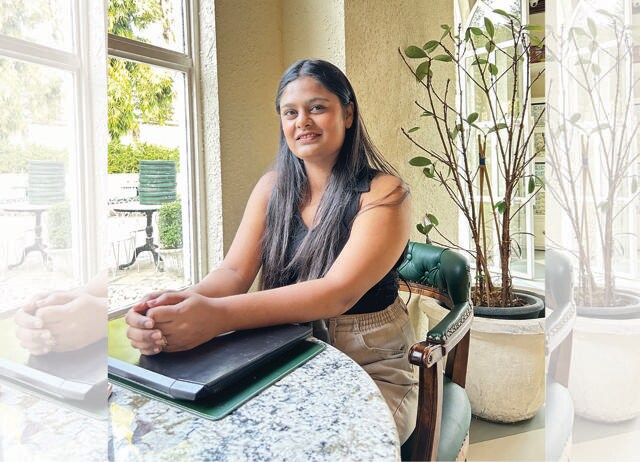
Opening up
If there’s one word Ayushi Somani keeps returning to, it’s friendship. “I don’t see myself as a service provider,” says the 27-year-old founder of the personal-branding agency WildGO Media. She cares more about a client’s heart, personality, mind and experiences, rather than what they’re selling. “I have to become a trusted partner, a safe space, and a non-judgmental friend to whom they can open up.”
Somani started out in 2018, juggling a preschool teaching job in Jaipur and writing content for companies. By 2020, she’d moved to writing full-time and had become known for her emotionally intelligent storytelling and positioning. “People weren’t just liking my content. They were DMing me with questions on how to sound more human online,” she recalls. Somani has since amassed more than 140k followers on LinkedIn and is one of the top voices on TopMate. She has helped one of the Sharks from Shark Tank India build a strong personal brand as well.
Her hacks are subtle: Dress well, get people to laugh. “I try to say something inoffensive but funny right from the first discovery call with my clients,” she says. “I ask them about what’s going on in their lives, stuff like traffic, things they may relate to.” It breaks the ice and gives her a better sense of who she’s working with, than a bio does. “I don’t touch AI tools for writing. My job is to extract the human essence and bring it out.”
She’s found a lucrative niche too –getting introverted clients to show up online and be vulnerable to the public. “I start by asking them to share their day-to-day activities, their opinions on trends, their interests. Then, we dive into the personal.” That’s where the tiny but powerful stories hide – a hiring failure, a founder’s note to their younger self, a client call that changed everything. It’s what turns a social-media-averse CEO into a viral hit.
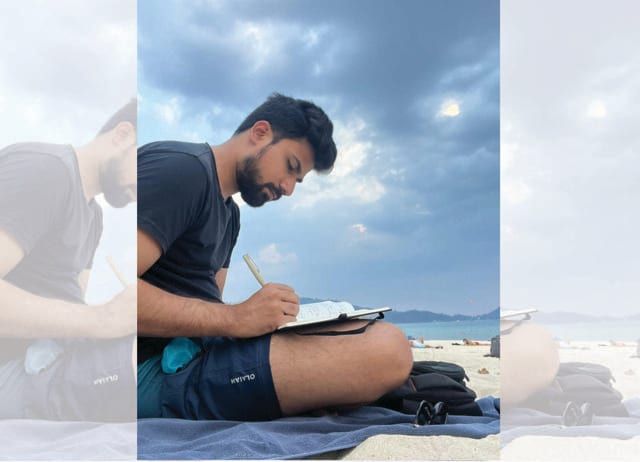
Window dressing
In Indore, 29-year-old Prakhar Sharma is spin-doctor to CEOs who feel invisible online or struggle with inconsistent messaging. He worked at an ad agency, but quit two years ago after realising that some posts he’d ghostwritten had gone viral. When his first international client was willing to pay $3,000 for two months of LinkedIn content, he knew he’d make it.
Templated content doesn’t stand out. Formulaic ideas never go viral. “It’s all about how you package it,” Sharma says. “If I can stop a person mid-scroll, or make them think about the post long after they’re done reading it, I know I’ve created a valuable post.”
His first step with any client is to ask them what they want to be remembered for. “Most people don’t know. And that’s the real gap. Not creativity. Not algorithms. Identity.” And once that emerges, he makes sure it shows up consistently across a founder-CEO’s bios, DMs, landing pages and team intros. He recalls how he helped one woman tell the story of how she rose from intern to boardroom in the same company. The post, equal parts humble and hard-hitting, reached some 2.5 lakh people, and landed her a speaking invitation at a conference she once only dreamed of attending.
Much of his job involves being a filter. When a marketing agency owner was terrified of posting content (“What if I sound cringe? What if no one cares?”), Sharma helped them lead with vulnerability, not perfection. The post about failing and moments of self-doubt resonated with people – just the personal touch that works online.
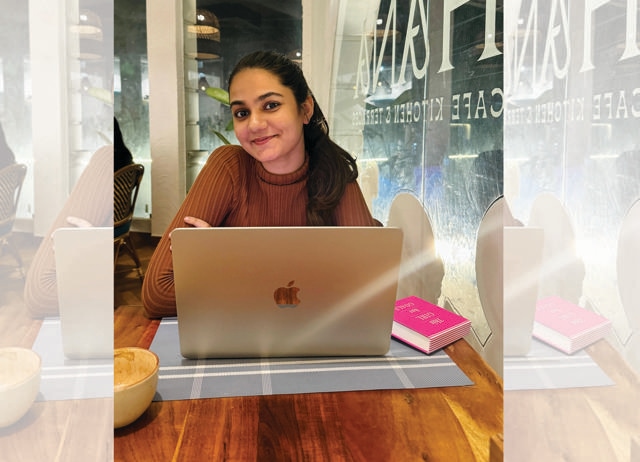
Clear and present
Saijal Taparia, 24, grew up in Jorhat, a small town in Assam, far away from content creators and digital strategists. She dreamed of studying at IIM Ahmedabad, but two years ago, she abandoned that plan for a job that business schools weren’t yet coaching for.
“I began by writing posts on LinkedIn, documenting, experimenting and testing formats,” she recalls. Most of it was geared towards helping CEOs, founders and stuffy bosses appear more human. “I simply believed that if someone had a powerful story but didn’t know how to tell it, I could help.”
Work trickled in. The founder of an AI-performance firm in Cyprus reached out to her, for help with looking more presentable on social media. She tweaked the tone from stuffy to smooth, made the firm seem like it genuinely cared about what it did, and turned the brand’s persona around. Later, she helped a Vietnam-based customer-service coach make their online communication sound more approachable. “No big words, I just showed their real story,” Taparia says. That she was just a kid with a laptop and Wi-Fi, didn’t matter. “Honestly, once you help someone land a podcast, a feature, or a lead through a post, they don’t care about your age.”
For the most part, Taparia’s job is to cut through clutter. Her golden rule: A visitor should be able to answer three questions within 10 seconds of landing on your profile or website: What do you do? Who do you help? How can the visitor work with you? “You don’t have to be loud or overly opinionated. But you have to sound like you.”
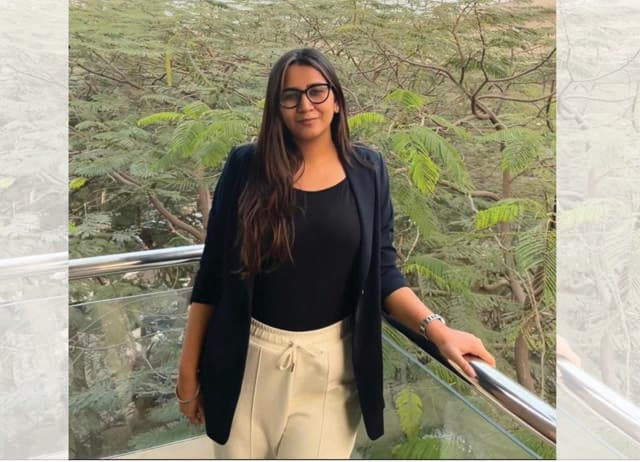
Real deal
A few months ago, someone sent Ananya Narang, 24, a polished, impressive-looking LinkedIn DM seeking an opportunity to work at her Delhi-based content and personal branding company, Entourage. But something was off; the placeholders in the text were empty. “Turns out, ChatGPT wrote it,” she says. “There wasn’t even an attempt to pretend it was human. That’s the problem: We’re hitting “send” without thinking. Outsourcing identity. Automating effort.”
Missteps like these are why real-world clients seek out Narang’s services. “People think AI will save them time. But your audience can feel when it isn’t you.” She’s worked her way up from ghostwriting bios and fixing clunky About Us pages as a college student. Now, she helps CEOs and creators articulate their message, minus the fluff.
At the moment, she’s helping a quick-commerce company develop its business. She’s also helping clients such as Arjun Vaidya, founder at Dr Vaidya’s: New Age Ayurveda, build an audience on LinkedIn.
Her sharpest lesson for 2025: “Use AI to support, not substitute. Let it help you brainstorm or tidy up, but your voice has to come through.” That’s why her team now includes editors who don’t just check grammar, they also check authenticity.
From HT Brunch, May 24, 2025
Follow us on www.instagram.com/htbrunch


