
 E-Paper



Screen time, eye strain, and glasses: Ophthalmologist busts the biggest myths about children’s eyesight

 Prefer HTon Google


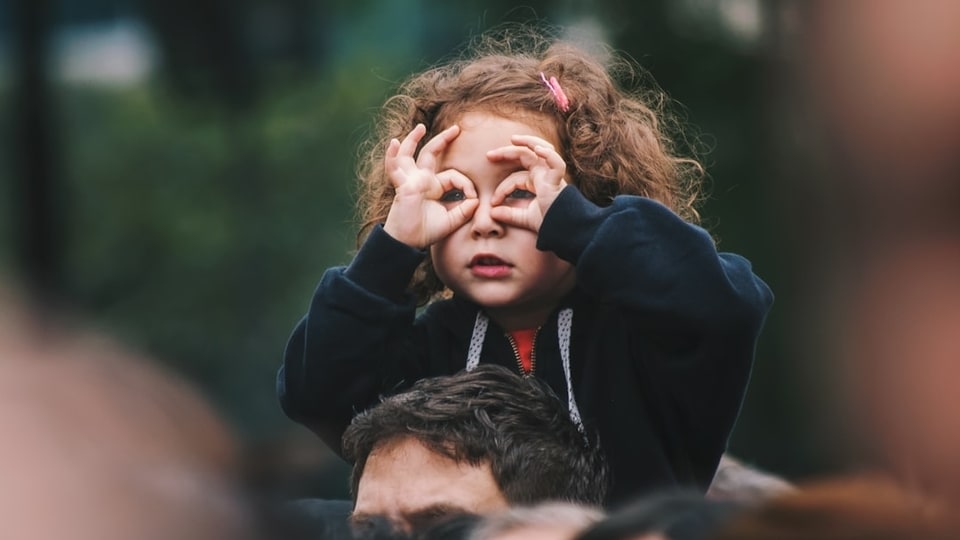
Ophthalmologist Dr Roshan Christina separates fact from fiction about children’s eyesight, screen usage, and glasses.
In a world driven by technology, it’s challenging to keep kids away from screens. When it comes to children's eye health, myths often spread faster than facts. Understanding what's true can help parents make informed decisions and ensure early detection of vision problems. In an interview with HT Lifestyle, Dr Roshan Christina, ophthalmologist at Forus Health, busts the biggest myths about children’s eyesight.
Also read | Gurgaon ophthalmologist says watery eyes don’t always mean healthy eyes; dry eye disease could be the hidden cause
Myth: Sitting too close to the TV damages eyesight.
Fact: We often notice that children tend to sit closer to the television; that is because they can focus better at short distances. Dr Roshan Christina highlights that if this is a sudden change, an eye examination is recommended.
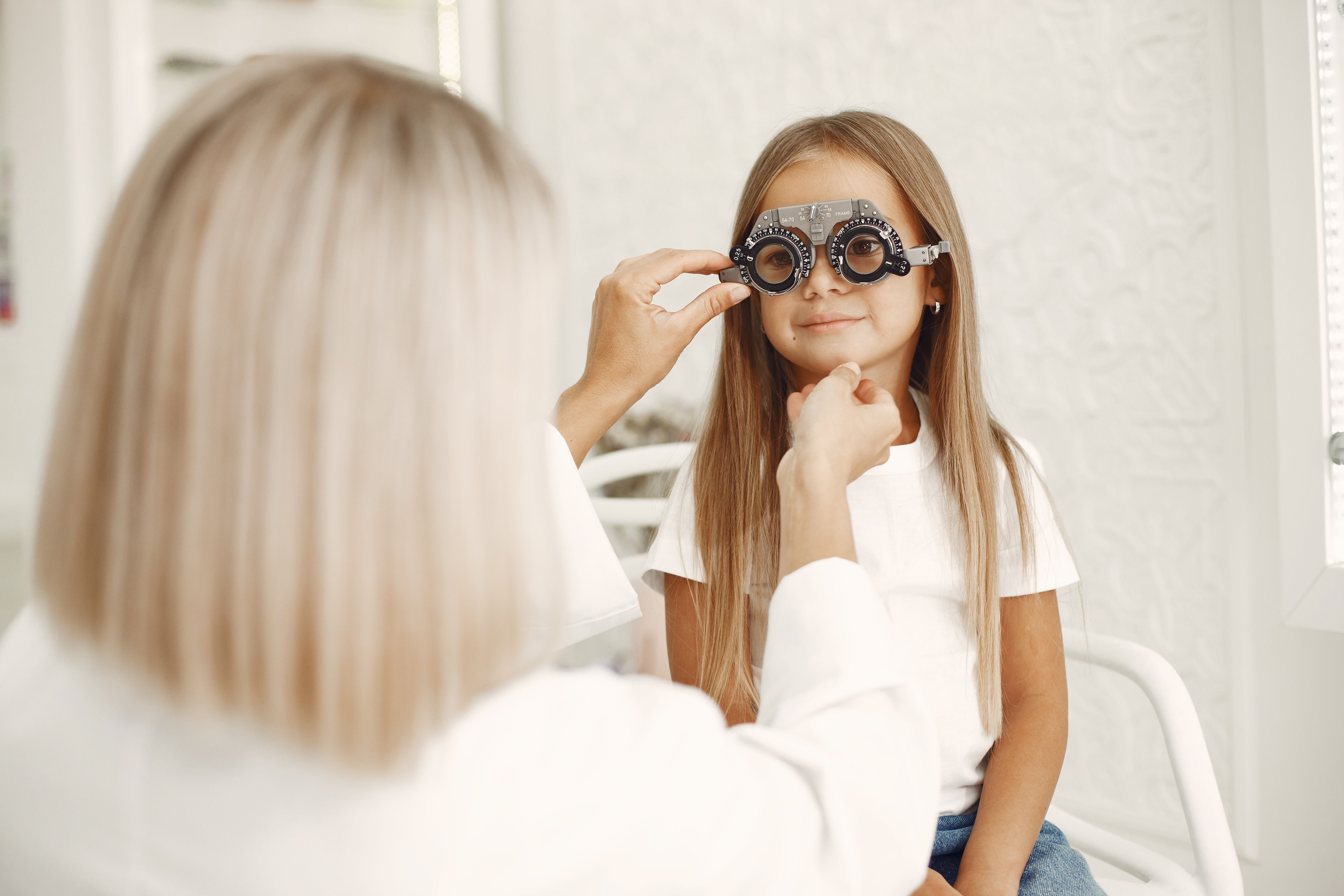
Myth: Screens are the primary cause of damage to children's eyes.
Fact: Children are naturally drawn to bright, fast-moving visuals on screens and can lose track of time watching them. “While prolonged screen use can cause digital eye strain, dry eyes, and headaches, there’s no strong evidence that screens alone permanently damage vision,” said Dr Roshan Christina. We should encourage regular breaks, outdoor play, and balanced screen habits.
Myth: Wearing glasses makes children's eyes weaker or permanently dependent on glasses.
Fact: Glasses do not weaken the eyes. They simply correct vision, allowing children to see clearly and learn comfortably. As a child's eyes develop, some refractive errors naturally improve, so glasses may not always be a lifelong necessity. But leaving a refractive error uncorrected can result in permanent, partial vision loss.
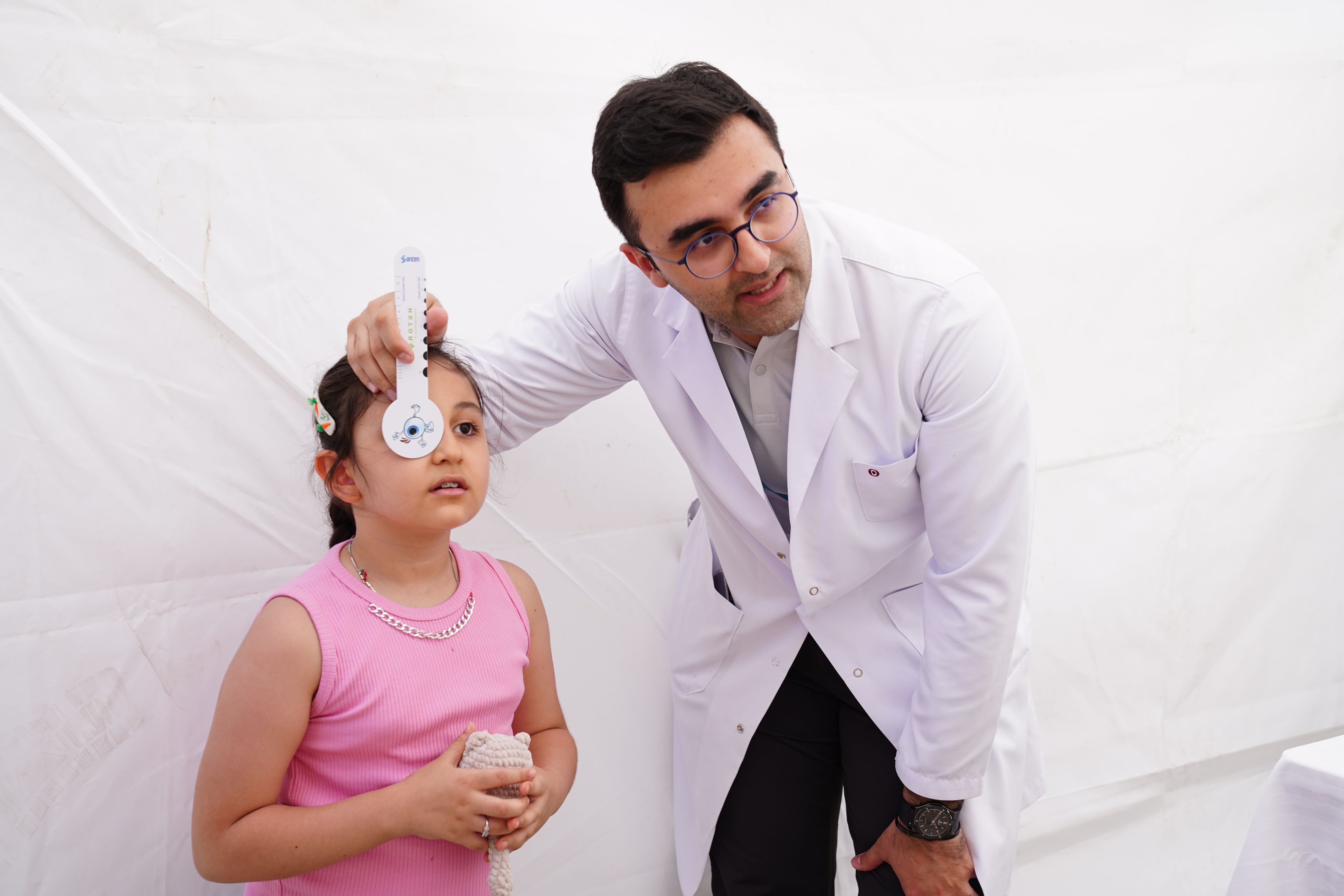
Myth: Children will outgrow poor eyesight with proper nutrition and carrots.
Fact: Good nutrition supports overall eye health; it's not a substitute for proper diagnosis and correction. According to Dr Roshan Christina, refractive errors or lazy eyes require appropriate treatment for best outcomes. Glasses are protective, not just corrective, and delaying usage can cause lasting harm.
Myth: If my child isn't complaining, their vision must be fine.
Fact: Children often don’t realize their vision is blurry; they just think that’s how the world looks. Many are too young to recognize or explain the problem, even if something feels off. As a result, poor vision goes unnoticed until they start affecting classroom behaviour and learning. What a child can’t see, they can’t tell you about, regular eye checks matter more than complaints.
Note to readers: This article is for informational purposes only and not a substitute for professional medical advice. Always seek the advice of your doctor with any questions about a medical condition.


Catch your daily dose of Fashion, Taylor Swift, Health, Festivals, Travel, Relationship, Recipe and all the other Latest Lifestyle News on Hindustan Times Website and APPs.


