
 E-Paper



Drawing Room: Why Payal Arya loves Shilpa Gupta’s artworks

 Prefer HTon Google


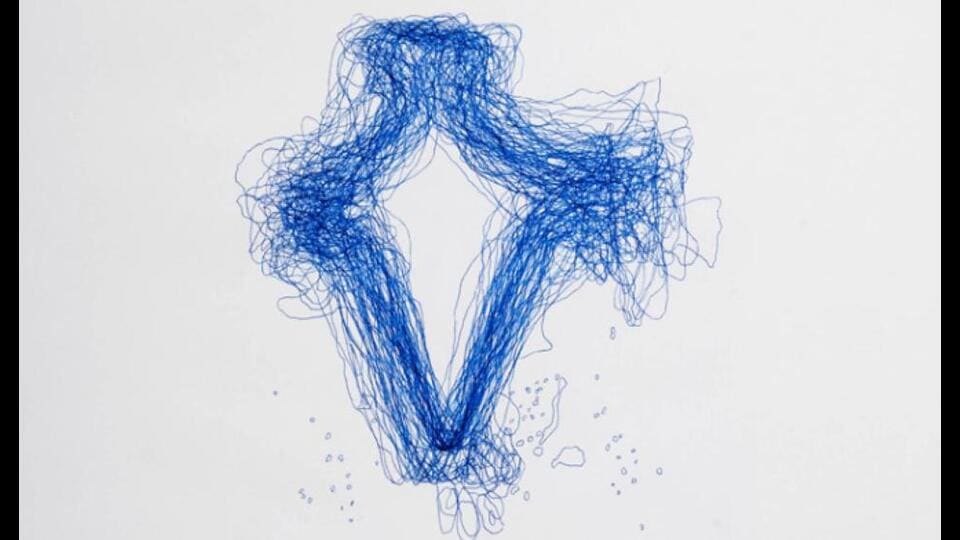
Shilpa Gupta’s work maps our collective imagination. It confronts the viewer with questions of nationhood, identity, and belonging
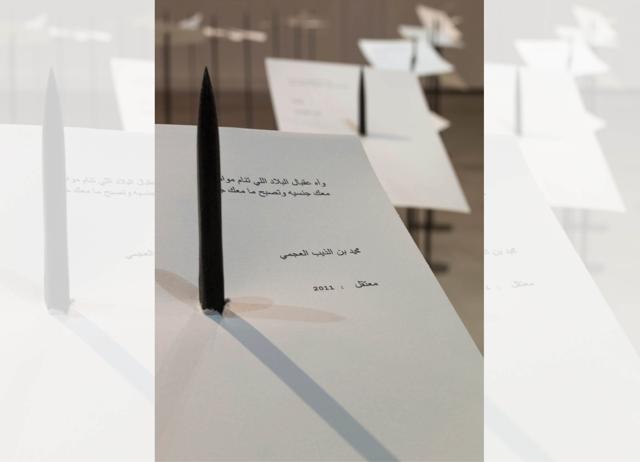
Shilpa Gupta adapts her modes of working to fit each new work. One well-known piece For, In Your Tongue, I Cannot Fit (2017 – 18), is a sound installation honouring the works of 100 historically and presently incarcerated writers. One hundred metal spikes each have a sheet of paper pierced through them. Each sheet bears an excerpt of a poem by a writer, and the year they were detained. A microphone and speaker are suspended above each spike, playing a recording of each poet’s work. While walking through the installation, one is engulfed in the voices of the poets, sometimes as singular whispers and in moments as a collective onslaught.
Another work, Untitled (Spoken Poem in a Bottle) (2018) advocates for the freedom of speech, Gupta recites poems into glass bottles to show that the spoken word can also be preserved physically. The names of the poems are written on the bottles.
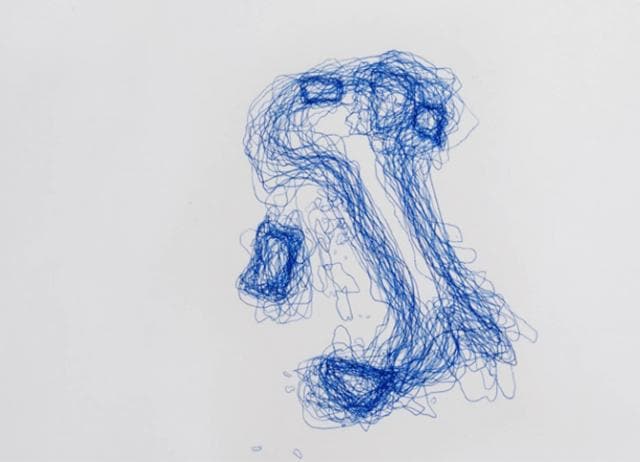
The work I’d like to talk about, though, is 100 Hand Drawn Maps of My Country, an ongoing series that began in 2008. Gupta invites 100 people to draw the contours of their nations from memory. She then superimposes these 100 drawings upon each other, in blue over a white background, to create a composite map that is more telling precisely because it is inaccurate.
People from Mumbai, Cuenca (Ecuador), Delme (France), Gwangju and Seoul (South Korea), Tel Aviv and Jerusalem (Israel) and other nations whose borders are contested have contributed their recollection of the maps. Each person leaves out spaces according to what they know. In India, some leave out Kashmir or the North East. People are also asked to engage and think about the nation and what it means to them. It’s so interesting to see what remains, what is excluded and how the borders of the nation can be defined through a collective imagination.
I’m fascinated with how our country arrived at its present shape after Partition. Borders were created back then by someone sitting far away. How did this translate in the minds of the people in the country? The mapping exercise can help reflect on the idea of nationhood.
Even the use of “my country” in the title is poignant. It instils in the viewer a sense of responsibility and attachment to the subject. Since 2008, many boundaries have changed, by war, the climate emergency and other factors. So, this work is at once a record of its time, a timeless snapshot of collective memory, an inauthentic document. It inspires me because it is so simple yet so powerful.
I show this work in one of my classes, when we do a mapping exercise. The idea is to start a conversation about what mapping a location means and the various ways in which it can be done. It could be sonic mapping, or images of movement, mapping through stars, maps of the past, among other things. Then, I encourage my students to draw maps of their campus. One student, inspired by Gupta, chose to interact with faculty members and security guards to observe the different degrees of access they had to sites on campus.
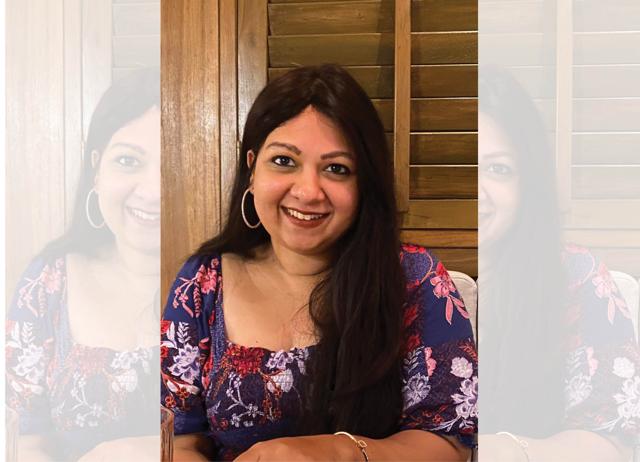
One of my own works focused on my Nani (maternal grandmother), who was from Pakistan. I made a film about her reclaiming her land through memory, even as Karachi’s coast is being reclaimed by the sea. While Gupta’s work examines the assertion of one’s claim over their land, I seek to question if this is ever actually possible.
Artist bio: Payal Arya is a mixed-media artist and arts educator at Jindal Global University. She creates site specific and immersive installations which seek to blur the parameters of the rooms they are made in. She explores notions of distance, position, and bodily tolerance, to question the concept of agency.
Payal Arya spoke to Noor Anand Chawla
From HT Brunch, July 13, 2024
Follow us on www.instagram.com/htbrunch


